
HAIR TRANSPLANT
Stem-Cell Treatment
Interest in regenerative methods has grown across hair restoration, and stem-cell treatment is part of that direction. Rather than moving hair from one place to another, this approach aims to support the scalp and the existing follicles using regenerative material prepared from the patient's own tissue. It is generally positioned as a way to strengthen the environment around the hair, often as part of a wider plan rather than as a stand-alone cure.
What Stem-Cell Treatment for Hair Is
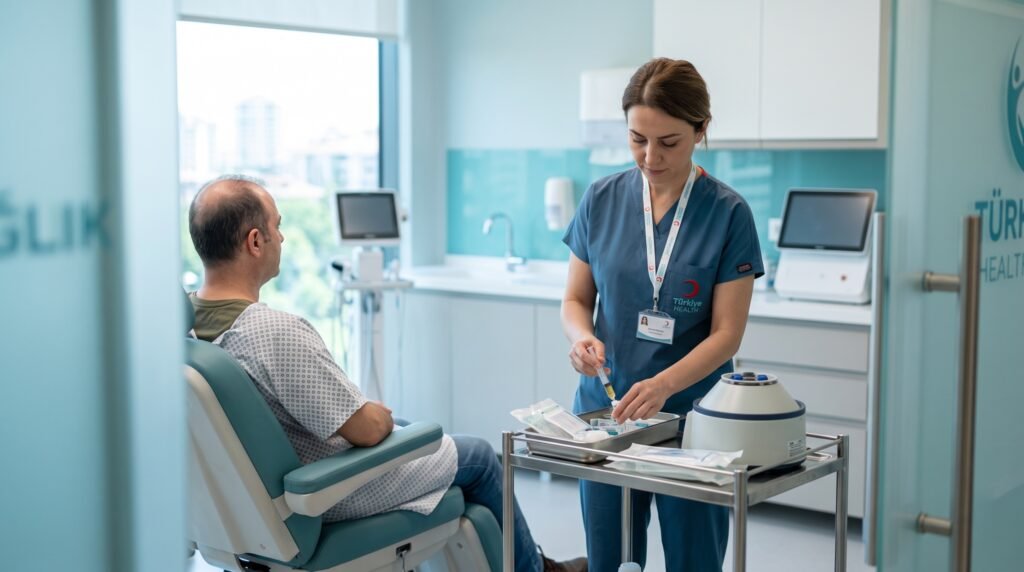
In the context of hair, stem-cell treatment refers to methods that use regenerative components derived from the patient's own tissue, which are prepared and then applied to the scalp. The aim is to support weakened follicles and improve the environment in which hair grows. The exact preparation and technique vary between clinics and physicians, and what is appropriate is decided after an assessment rather than assumed in advance.
Orista is a health tourism facilitator that connects international patients with contracted hospitals and physicians in Turkey. This page explains what stem-cell treatment for hair involves and how it is used, so you can discuss realistic expectations with a qualified specialist.
A Supportive Approach, Not a Transplant
It is important to understand that this is a supportive treatment rather than a hair transplant. It does not relocate follicles or create new coverage in a bald area the way a transplant does. Instead, it is used to support existing hair and the scalp, and is often combined with other treatments. A physician will explain what it can realistically offer in your case.
How It Is Thought to Work
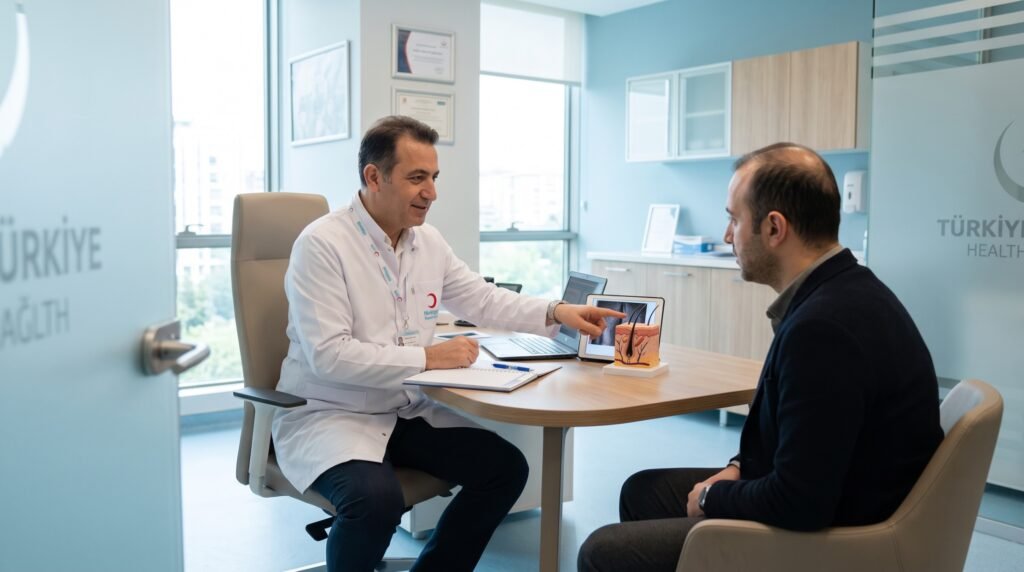
The idea behind the treatment is that regenerative components carry signals, such as growth factors, that encourage repair and support the cells involved in hair growth. By delivering these to the scalp, the aim is to help nourish and strengthen follicles that are under strain. Because results depend on the body responding to these signals, the effect is gradual and varies from person to person. Evidence in this area continues to develop, which is one reason an honest, measured discussion with a physician matters.
Often Combined With Other Treatments
Stem-cell treatment is frequently used as part of a broader plan rather than on its own. Depending on the situation, a physician may combine or sequence it with other approaches.
- As support alongside or after a hair transplant
- Together with PRP therapy as part of a regenerative plan
- Alongside hair mesotherapy to support the scalp
- As part of ongoing care for early or moderate thinning
How a Session Is Carried Out
The treatment takes place in a clinic. In general terms, a sample of the patient's own tissue is taken and processed to prepare the regenerative material, which is then applied to the scalp, often by injection. A numbing option may be used for comfort. The exact steps depend on the specific method the physician uses, which will be explained to you beforehand. The visit is usually completed within a reasonable time and does not involve major surgery.
Who Might Consider It?
Stem-cell treatment is generally considered by adults with early or moderate hair thinning, or those looking to support the scalp as part of a wider plan, who are in good general health and have realistic, measured expectations. It is less relevant for advanced baldness, where a transplant may be the more appropriate route. A physician will assess your situation and explain whether this treatment has a useful role for you.
Results and Expectations
Because this is a supportive and regenerative approach, any benefit develops gradually and varies between individuals. It is best thought of as a way to support existing hair rather than to guarantee regrowth, and realistic expectations are important. A physician will set out what is reasonable to hope for in your case and whether a course of sessions or a combination with other treatments would be appropriate.
Recovery and Aftercare
Downtime is usually minimal. Mild redness, tenderness, or slight swelling at the application points can occur and generally settles quickly. Simple care supports comfortable recovery.
- Handle the scalp gently and avoid harsh products for a short period
- Protect the scalp from strong sun while it settles
- Avoid intense exercise and saunas briefly if advised
- Follow the specific instructions your physician provides
Points to Consider
As with any treatment involving the scalp, there are considerations to review. Most effects are mild and temporary, such as redness or tenderness. Because this is a regenerative approach whose results vary and whose evidence continues to develop, a careful and honest conversation about realistic outcomes is especially important. An open discussion of your goals, the stage of your hair loss, and your medical history helps the physician plan a sensible treatment.
Stem-Cell Hair Treatment in Turkey
Turkey is a frequent destination for hair restoration and regenerative care, with contracted hospitals in Istanbul and other cities offering modern facilities and experienced physicians. For international patients, planning the treatment alongside organized travel and local support makes the process easier to manage, especially where a course of sessions is involved.
How Orista Supports You
As a facilitator, Orista coordinates the steps around your treatment. The medical team reviews your information, matches you with a suitable physician and hospital, and a dedicated representative stays in contact throughout. Transfers, accommodation, and translation can be arranged so the practical side is handled for you.
GOOD TO KNOW
Frequently Asked Questions
Is stem-cell treatment the same as a hair transplant?+
No. It is a supportive, regenerative treatment aimed at the scalp and existing follicles. It does not relocate follicles or create coverage in a bald area the way a transplant does.
Can it be combined with a transplant?+
Yes, it is often used as part of a wider plan, including alongside or after a transplant, or with PRP and mesotherapy. Your physician will advise what suits your case.
When will I see results?+
Any benefit develops gradually and varies between individuals. It is best viewed as support for existing hair rather than a guarantee of regrowth.
Is the treatment painful?+
Discomfort is generally mild, and a numbing option may be used. Most people tolerate the application well.
Who is it most suitable for?+
It is generally considered for early or moderate thinning or to support the scalp as part of a wider plan. A physician will confirm whether it has a useful role for you.
This content is for general informational purposes only and does not constitute medical advice, diagnosis, or treatment. Suitability, methods, and outcomes differ from person to person, and regenerative approaches continue to be studied. Please consult a qualified physician or specialist for an assessment and personalized guidance before making any decision about a stem-cell hair treatment.