
ONCOLOGY
Surgical Oncology
For many cancers, surgery is a central part of treatment, and sometimes the main one. Surgical oncology is the field devoted to treating cancer through operations, carried out by surgeons with specialized expertise in removing tumors and the tissue around them while caring for the whole patient. Cancer surgery is different from general surgery in important ways, and it forms one part of the coordinated, multidisciplinary care that modern cancer treatment relies on.
What Surgical Oncology Is
Surgical oncology is the surgical treatment of cancer. A surgical oncologist operates to remove cancerous tumors and, where needed, surrounding tissue, with the aim of removing the disease while preserving as much function as possible. These surgeons have particular expertise in cancer, understanding how different cancers behave and how surgery fits with other treatments. Cancer surgery can serve several purposes within a patient's overall plan, from removing the disease to helping confirm a diagnosis, and it is always planned as part of coordinated care.
Orista is a health tourism facilitator that connects international patients with contracted hospitals and physicians in Turkey. This page explains what surgical oncology involves and how it fits into cancer care, so you can discuss your situation with a qualified specialist. A specialist is always the right source for guidance about a specific diagnosis.
The Roles Cancer Surgery Can Play
Surgery contributes to cancer care in more than one way, depending on the situation.
- Removing a tumor as the main treatment for certain cancers
- Taking a sample of tissue to help diagnose or stage a cancer
- Working alongside other treatments, before or after them, as part of a plan
- Relieving symptoms in some situations to improve quality of life
The role of surgery in a particular case is decided by the team based on the type and stage of the cancer, and the surgeon explains its purpose.

How It Differs From General Surgery
Although cancer surgery uses surgical skill, it differs from general surgery in important respects. Operating on cancer requires an understanding of how tumors spread and of the need to remove the disease with appropriate margins, while considering how the surgery interacts with other cancer treatments. The surgical oncologist also works closely with medical and other oncology specialists, since surgery is usually one part of a wider plan rather than a standalone treatment. This specialized knowledge and coordination is what sets surgical oncology apart.
Part of a Multidisciplinary Plan
A key point about cancer surgery is that it rarely stands alone. The decision to operate, and the timing, is usually made together with the wider oncology team, so that surgery fits with any other treatments a patient may need. In some cases surgery comes first, in others it follows treatment aimed at reducing a tumor, and in some it is combined with ongoing medical treatment. This coordination ensures that surgery contributes to the overall goal of care rather than being considered in isolation, which is central to how modern cancer treatment works.
The Consultation and Planning
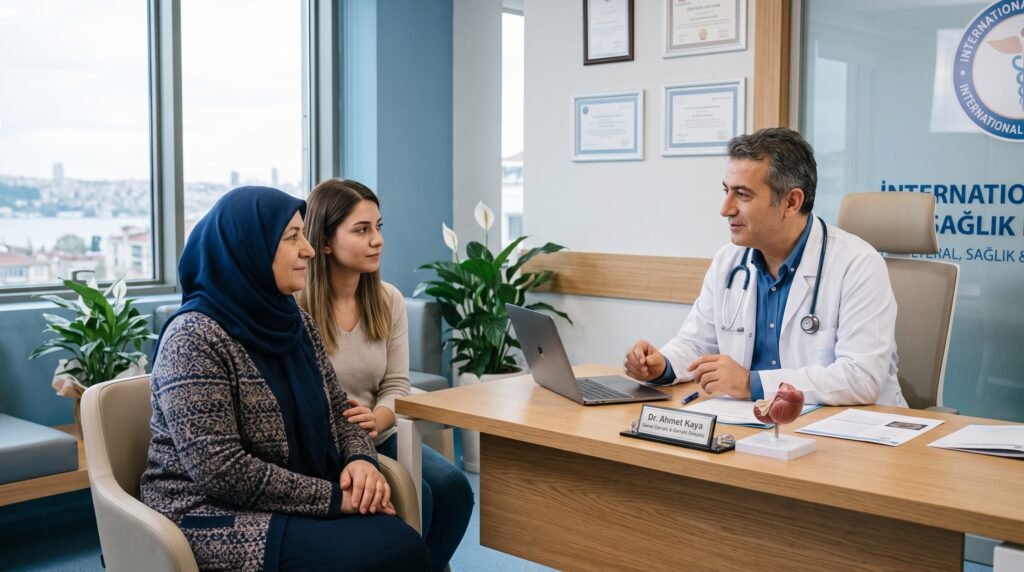
Care begins with a careful assessment, usually involving the oncology team. The surgeon reviews the diagnosis, imaging, and any previous results, examines the patient, and discusses the proposed surgery and how it fits the overall plan, including the recovery. Understanding the type and stage of the cancer is central to planning. For international patients, this often begins remotely through medical information and reports, so the right team can be identified and a plan discussed, with further assessment before any operation.
Recovery After Cancer Surgery
Recovery depends greatly on the type and extent of the operation and the individual patient. Some cancer operations are relatively contained, while others are major surgery needing a longer recovery and sometimes a period in intensive care. The team monitors the patient closely and gives aftercare guidance suited to the operation. Because surgery is often part of a wider plan, recovery is also coordinated with any further treatment. For international patients, planning the length of stay and follow-up carefully is especially important.
Risks and Considerations
As surgery, cancer operations carry risks that depend on the specific procedure and the patient, and these are discussed in advance. They include the general risks of surgery and anesthesia alongside considerations particular to each operation. The balance of benefits and risks is weighed by the team as part of planning. An honest, thorough, and compassionate discussion of what the surgery involves, its purpose, and the realistic outlook is an essential part of the consultation, and a specialist is the right person to explain this for a particular case.
Surgical Oncology in Turkey
Turkey is a destination for a wide range of medical care, supported by contracted hospitals in Istanbul and other cities with specialized facilities and teams experienced in cancer care. For international patients, combining care with organized travel, accommodation, and support services helps ease the practical burden during a demanding time, allowing attention to stay on treatment and recovery.
How Orista Supports You
As a facilitator, Orista coordinates the steps around your care with sensitivity. Your medical information and reports can be reviewed by the medical team before you travel, you are matched with a suitable team and hospital, and a dedicated representative stays in contact throughout. Transfers, accommodation, translation, and support can be arranged so your attention stays on your care.
GOOD TO KNOW
Frequently Asked Questions
What does a surgical oncologist do?+
A surgical oncologist treats cancer through operations, removing tumors and affected tissue while caring for the whole patient. They have specialized expertise in cancer and work closely with the wider oncology team.
Is surgery always the main cancer treatment?+
Not always. Surgery is central for some cancers, while in others it is one part of a plan that includes other treatments, used before, after, or alongside. The team decides its role based on the type and stage of cancer.
How is cancer surgery different from general surgery?+
It requires understanding how tumors spread and the need for appropriate margins, and close coordination with other cancer treatments. Cancer surgery is usually part of a wider plan rather than a standalone treatment.
Why is the timing of surgery decided by a team?+
So that surgery fits with any other treatments a patient needs. In some cases it comes first, in others after treatment to reduce a tumor. This coordination ensures surgery contributes to the overall goal of care.
How do I start as an international patient?+
Your medical information and reports can be reviewed remotely, so the right team can be identified and a plan discussed, with further assessment before any operation.
This content is for general informational purposes only and does not constitute medical advice, diagnosis, or treatment. Every patient's situation is different, and outcomes vary. Cancer surgery is major treatment planned individually. A qualified specialist is always the right source for guidance. Please consult a specialist for an assessment and personalized guidance regarding a specific diagnosis.