
GYNECOLOGY AND OBSTETRICS
Natural Birth
Natural birth, the vaginal delivery of a baby, is the way most babies have been born throughout history, and for many mothers it remains the preferred and expected path. It describes labor and birth that proceed through the natural process, with medical support available as needed. Preferences around natural birth vary widely, from mothers who wish for as little intervention as possible to those who want pain relief available, and good care respects these choices while keeping mother and baby safe.
What Natural Birth Is
Natural birth, also called vaginal birth, is the delivery of a baby through the birth canal, following the body's own process of labor. It typically unfolds in stages, from the onset of labor and the opening of the cervix, through the birth of the baby, to the delivery of the placenta. The term is used broadly, and for some it means a birth with minimal medical intervention, while for others it simply means a vaginal birth with whatever support is appropriate. The care team supports the process and is ready to help if needed.
Orista is a health tourism facilitator that connects international patients with contracted hospitals and physicians in Turkey. This page explains what natural birth involves, the options around it, and the considerations, so you can discuss your preferences with a qualified specialist.
What Natural Birth Can Mean
It is worth clarifying that natural birth means different things to different people, and part of planning is understanding what a mother hopes for. For some, it is about experiencing birth with as little intervention and pain relief as possible. For others, it simply means avoiding a cesarean and giving birth vaginally, while being open to support such as pain relief. Neither interpretation is more correct, and discussing a mother's wishes helps the care team support the birth she wants while keeping safety central. This conversation is an important part of planning.

Options for Comfort and Pain Relief
A key area where preferences differ is pain management, and several approaches exist, which can be discussed in advance.
- Natural methods such as movement, positioning, breathing, and support
- Water and warmth to aid comfort during labor
- Various forms of pain relief available when wanted or needed
- A flexible approach, since preferences can change during labor
A mother can consider her preferences beforehand while remaining open to adjusting them, and the care team supports whatever approach suits the situation.
The Stages of Labor
Understanding the broad stages of labor helps mothers know what to expect. Labor generally begins with contractions that open the cervix, a stage that can take time and varies greatly between women. This is followed by the stage in which the baby is born, and then the delivery of the placenta. Throughout, the care team monitors the progress of labor and the wellbeing of mother and baby. Every labor is different, and the team guides the mother through the process, explaining what is happening and supporting her at each stage.
When Support or a Change of Plan Is Needed
While many natural births proceed smoothly, it is important to understand that labor can be unpredictable, and sometimes support or a change of plan becomes necessary. If the labor does not progress as hoped, or if there are concerns for mother or baby, the care team may suggest assistance or, in some situations, a cesarean birth. This flexibility is part of safe care, not a failure of the plan. A good birth plan allows for these possibilities, and the care team discusses them in advance so the mother understands what might happen and why.
Who Natural Birth Suits
Natural birth is the usual path for mothers with a healthy, low-risk pregnancy where there are no factors that make a vaginal birth unsuitable or unsafe. Certain situations, such as particular complications or circumstances, may mean another approach is recommended. The decision is made with the care team, who assess the pregnancy and advise on whether natural birth is appropriate, while respecting the mother's preferences as far as safety allows. Suitability can also be affected by how the pregnancy and labor progress.
The Consultation and Planning
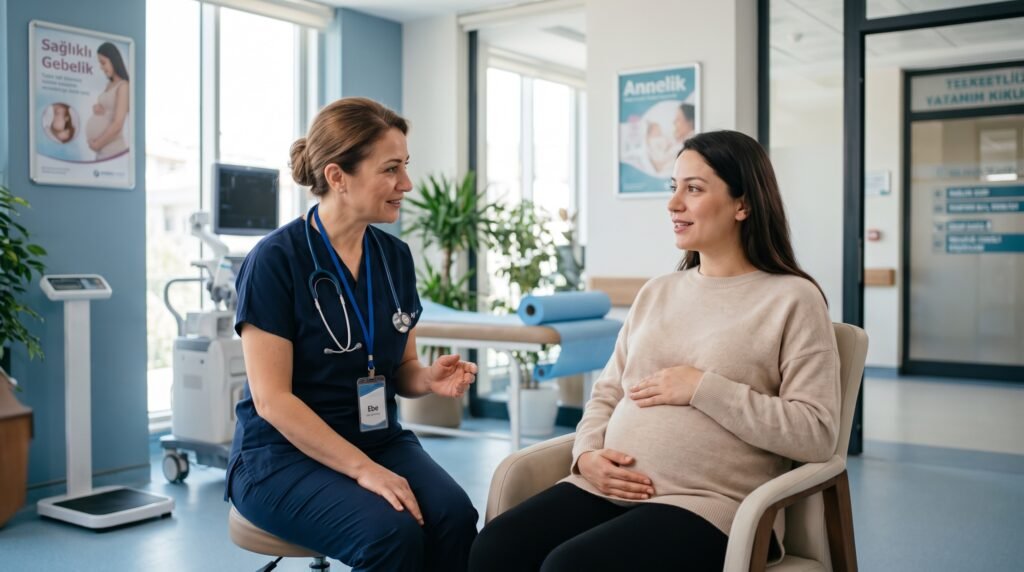
Planning for a natural birth begins with discussion and assessment. The specialist reviews the pregnancy, discusses the mother's preferences and any concerns, and explains the options, including pain relief and what happens if circumstances change. Because birth benefits from flexibility, the team prepares for different possibilities. For international patients, the timing and continuity of pregnancy care are important, and the specialist and support team advise on what is suitable and how care can be arranged appropriately.
A Note on Planning and Continuity
Because birth is tied to the stage of pregnancy and benefits from continuity of care, planning is especially important for mothers considering giving birth away from home. Some aspects of pregnancy and birth care are best provided with continuity. For mothers interested in care in Turkey, the specialist and support team can advise on what is suitable for the individual situation and how the care and timing can be arranged, keeping safety and continuity in view.
Natural Birth in Turkey
Turkey has contracted hospitals in Istanbul and other cities with modern maternity facilities and experienced teams supporting different approaches to birth. For international patients, combining maternity care with organized support services makes the experience easier to manage, with attention to comfort and privacy, while the importance of continuity means planning for the whole course of care matters too.
How Orista Supports You
As a facilitator, Orista coordinates the steps around your care with discretion. Your medical information can be reviewed by the medical team, you are matched with a suitable specialist and hospital, and a dedicated representative stays in contact throughout. Transfers, accommodation, translation, and support can be arranged so your attention stays on you and your baby, with your privacy respected throughout.
GOOD TO KNOW
Frequently Asked Questions
What does natural birth mean?+
It is the vaginal delivery of a baby following the body's own process of labor. The term is used broadly, meaning minimal intervention for some and simply a vaginal birth with appropriate support for others.
Can I have pain relief during a natural birth?+
Yes, if you wish. Options range from natural methods such as movement and breathing to various forms of pain relief. Preferences can be considered in advance and adjusted during labor, and the care team supports your choice.
What if the plan needs to change?+
Labor can be unpredictable, and sometimes support or a change of plan becomes necessary for the safety of mother or baby. This flexibility is part of safe care, and the team discusses the possibilities in advance.
Is natural birth right for everyone?+
It is the usual path for healthy, low-risk pregnancies, but certain complications or circumstances may mean another approach is recommended. The decision is made with the care team, respecting preferences as far as safety allows.
Can international mothers plan a natural birth?+
Because birth is tied to the stage of pregnancy and benefits from continuity, planning is especially important. The specialist and support team advise on what is suitable and how care can be arranged.
This content is for general informational purposes only and does not constitute medical advice, diagnosis, or treatment. Every pregnancy is different, and suitability and outcomes vary. Decisions about birth should be made with a qualified specialist who knows the individual situation. Please consult a qualified gynecology and obstetrics specialist for assessment and personalized guidance regarding your care.