
DENTAL TREATMENTS
Dental Bonding
Not every improvement to a smile requires an involved procedure. Dental bonding is one of the simplest and most versatile cosmetic treatments, using a tooth-colored material to repair or reshape a tooth in a single visit. A small chip, a gap, a worn edge, or a misshapen tooth can often be addressed with bonding quickly and without removing much, if any, of the natural tooth. Understanding what bonding can do, and how it compares with other options, helps patients see where this gentle treatment fits.
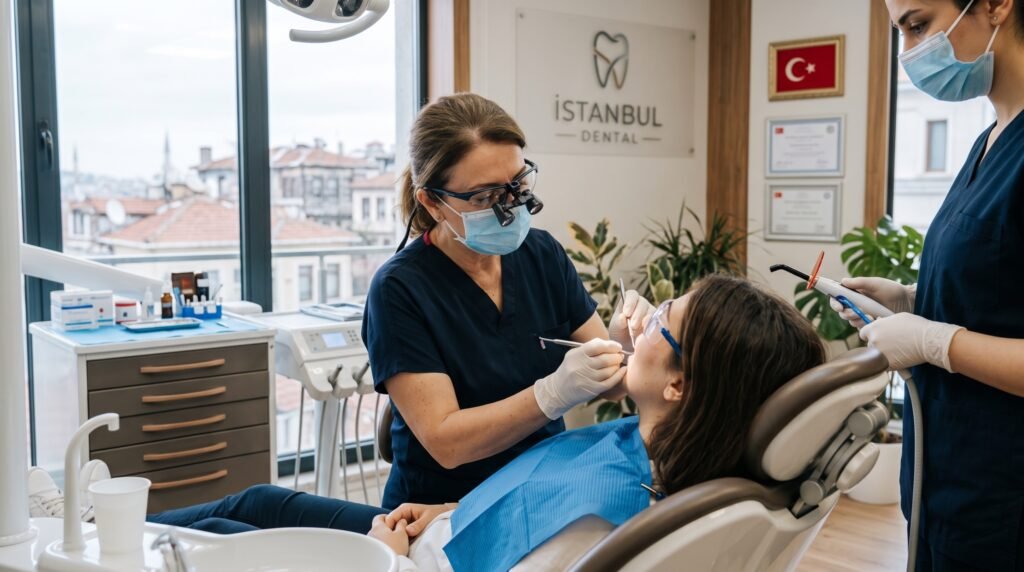
What Dental Bonding Is
Dental bonding is a cosmetic treatment in which a tooth-colored resin material is applied to a tooth and shaped to repair or improve its appearance. The dentist selects a shade to match the natural tooth, applies the soft resin, shapes it, and then hardens it, usually with a special light, before polishing it to a natural finish. Because the material bonds to the tooth and is shaped directly in the mouth, bonding can address a range of small concerns in a single, straightforward appointment.
Orista is a health tourism facilitator that connects international patients with contracted clinics and dentists in Turkey. This page explains what dental bonding involves, what it can address, and what to consider, so you can plan the right approach together with a qualified dentist.
What Bonding Can Address
Bonding is versatile and can improve a variety of minor concerns with the teeth.
- Chipped or cracked teeth
- Small gaps between teeth
- Worn or uneven edges
- Minor reshaping of a misshapen tooth
- Covering small areas of discoloration in some cases
For small, localized improvements, bonding is often an effective and conservative option, and the dentist advises whether it suits a particular concern.
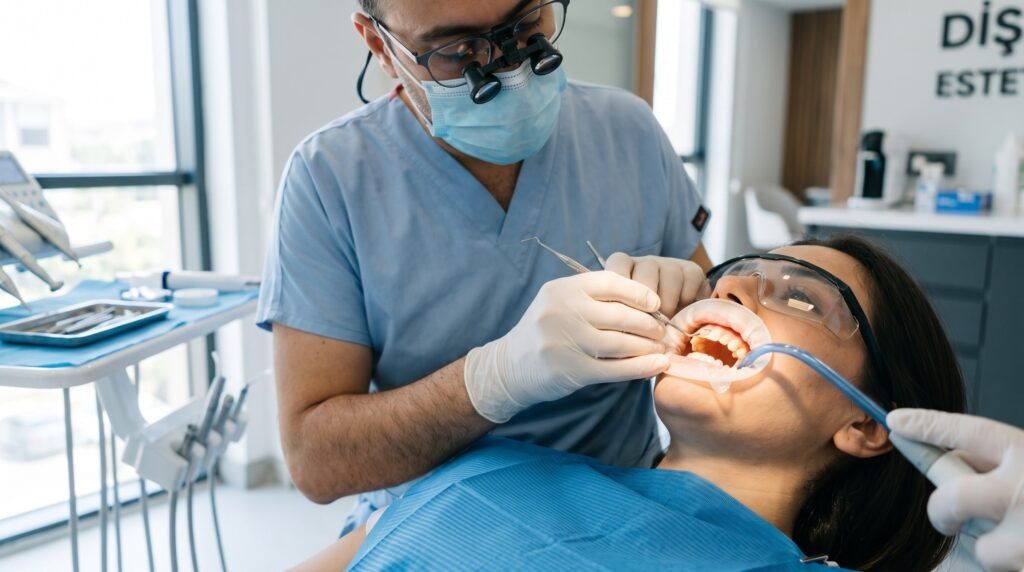
A Conservative, Quick Treatment
Two features make bonding appealing. First, it is conservative, meaning it usually requires little or no removal of the natural tooth, unlike some other treatments that involve reshaping the tooth. Second, it is quick, often completed in a single visit without the need for a laboratory to make anything, since the resin is shaped directly on the tooth. These qualities make bonding a straightforward choice for minor improvements, and part of why it is often suggested for small concerns rather than a more involved treatment.
How Bonding Compares With Veneers
It helps to see where bonding sits alongside veneers, since both improve the appearance of the front teeth. Bonding uses resin shaped directly on the tooth in one visit and is conservative and more affordable, suiting smaller, localized improvements. Veneers are thin porcelain shells made in a laboratory and bonded to the teeth, offering a durable, often more comprehensive result for a fuller smile makeover, usually over more than one visit. Neither is simply better; bonding suits smaller concerns, while veneers suit a more extensive change. The dentist advises which fits the goal.
How Long Bonding Lasts
Bonding gives an immediate result, and with care it can last for a good period, though the resin material is not as hard-wearing as some alternatives. Over time, bonded areas can chip or stain, and they may need occasional repair or refreshing. Avoiding habits that can damage the bonding, such as biting hard objects, and maintaining good oral care help it last. The dentist explains what to expect for the individual and how to care for bonded teeth, so the result stays looking good.
The Consultation and Planning
Care begins with a consultation and assessment. The dentist examines the teeth, discusses the concern and the desired result, checks the health of the mouth, and explains whether bonding is suitable or whether another option would serve better, along with what is realistic. For international patients, an initial discussion can often begin remotely through photographs, with treatment during the visit. Because bonding is often completed in a single appointment, it can be convenient for a visit, which the dentist takes into account in planning.
Bonding Within a Smile Plan
Bonding can be used on its own for a small repair or as part of a wider smile plan alongside other treatments. For minor touch-ups it may be all that is needed, while for a fuller improvement it might be combined with whitening or other work. The dentist considers how bonding fits with the person's overall goals for their smile, so that the result looks harmonious. This flexibility is part of what makes bonding a useful tool within aesthetic dentistry.
Dental Bonding in Turkey
Turkey is a frequent destination for cosmetic dental treatment, supported by contracted clinics in Istanbul and other cities with modern facilities and experienced dentists. For international patients, combining bonding, often with other dental treatments, and organized travel, accommodation, and support services makes the experience easier to manage.
How Orista Supports You
As a facilitator, Orista coordinates the steps around your dental care. Your information and any dental records can be reviewed by the medical team before you travel, you are matched with a suitable clinic and dentist, and a dedicated representative stays in contact throughout. Transfers, accommodation, translation, and support can be arranged so your attention stays on your treatment.
GOOD TO KNOW
Frequently Asked Questions
What is dental bonding?+
It is a cosmetic treatment in which a tooth-colored resin is applied to a tooth and shaped to repair or improve its appearance, then hardened and polished. It is done directly in the mouth, often in a single visit.
What can bonding fix?+
Minor concerns such as chipped or cracked teeth, small gaps, worn edges, slight reshaping, and in some cases small areas of discoloration. For small, localized improvements it is often an effective, conservative option.
How is bonding different from veneers?+
Bonding uses resin shaped directly on the tooth in one visit, is conservative and more affordable, and suits smaller improvements. Veneers are porcelain shells made in a laboratory for a more durable, comprehensive result, usually over more visits. The dentist advises which fits.
How long does bonding last?+
It gives an immediate result and can last a good period with care, though the resin is not as hard-wearing as some alternatives and can chip or stain, sometimes needing repair. Good care and avoiding biting hard objects help it last.
Is bonding done in one visit?+
Often yes, since the resin is shaped directly on the tooth without needing a laboratory. This makes it convenient, including for an international visit, which the dentist takes into account in planning.
This content is for general informational purposes only and does not constitute medical or dental advice, diagnosis, or treatment. Suitability, methods, and outcomes differ from person to person. Please consult a qualified dentist for an examination and personalized guidance before making any decision about dental bonding.