
HAIR TRANSPLANT
Beard, Mustache, and Eyebrow Transplantation
Hair restoration is not limited to the scalp. A patchy beard, a thin mustache, or eyebrows that have become sparse can affect how balanced the face looks, and transplantation offers a way to address them. Using the same principle as a scalp transplant, follicles are taken from a donor area and placed into the facial region, where they continue to grow. The real art lies in design, because facial hair must follow natural angles and patterns to look convincing.
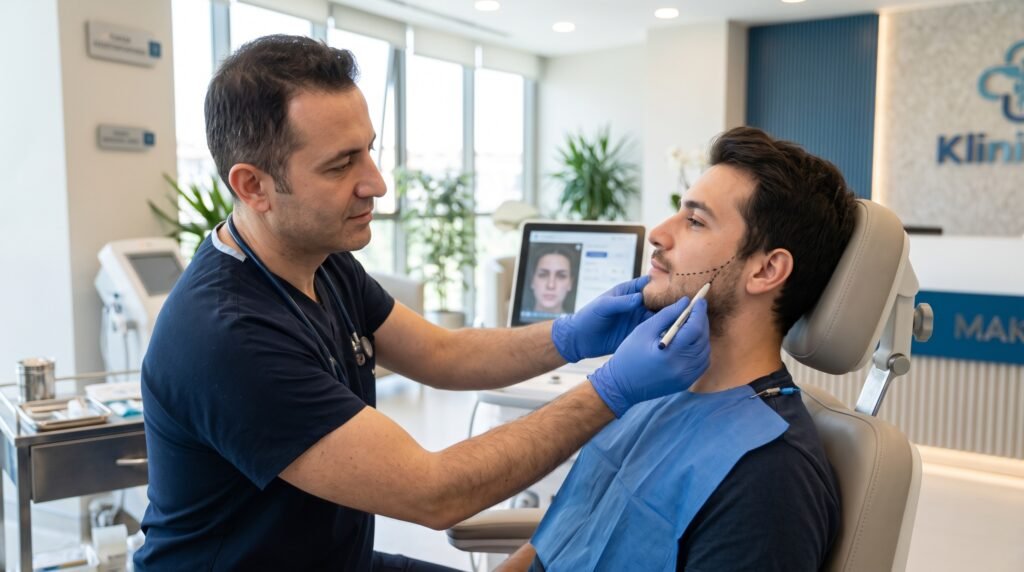
What It Is
Beard, mustache, and eyebrow transplantation is the relocation of hair follicles, usually from the back or sides of the scalp, into facial areas where fuller hair is wanted. The follicles are harvested one by one and implanted at carefully chosen angles and densities to match the natural growth of the area. Because the transplanted follicles keep their own characteristics, they grow much like the surrounding facial hair once established.
Orista is a health tourism facilitator that connects international patients with contracted hospitals and physicians in Turkey. This page explains how beard, mustache, and eyebrow transplantation works and what makes facial work distinctive, so you can discuss the right plan with a qualified specialist.
Why People Choose It
The reasons for facial hair transplantation vary, and understanding the goal helps shape the plan.
- A beard that grows patchily or has gaps
- A thin or uneven mustache
- Eyebrows that have thinned from over-plucking, aging, or other causes
- Covering small scars or areas where facial hair does not grow
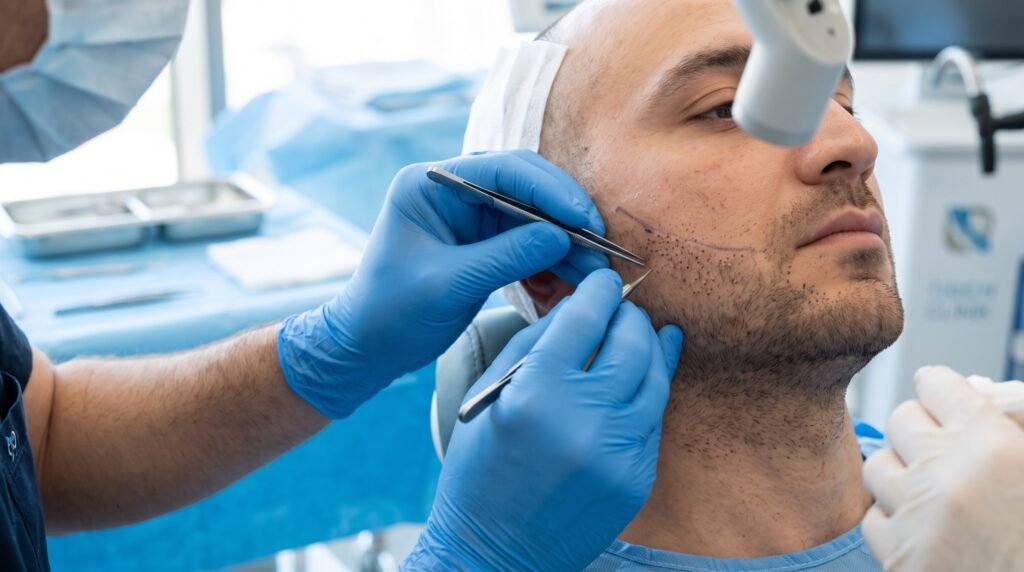
The Three Areas
Although the technique is shared, each area has its own considerations that the physician accounts for.
Beard
Beard work aims to fill gaps, add density, or shape the beard line. The angle of placement is important, since beard hair grows in a particular direction that must be followed for a natural look.
Mustache
Mustache transplantation adds fullness and shape to the upper lip area. As with the beard, the direction of growth is central to a convincing result.
Eyebrow
Eyebrow work is among the most delicate, because the hairs lie almost flat against the skin and follow a precise pattern across the brow. Follicles are usually placed as single units at very shallow angles to recreate the natural flow, and careful design of shape and symmetry is essential.
Why Facial Work Needs Special Care
Facial transplantation is detailed work that differs from the scalp in important ways. The angles are often flatter, the natural patterns are more exacting, and symmetry between the two sides of the face is closely watched. Eyebrows in particular demand single-hair placement and a design that suits the person's features. For these reasons, experience and a careful aesthetic eye matter a great deal, and the plan is discussed closely during the consultation.
The Donor Area
The follicles are most often taken from the scalp, usually the back of the head, where the hair tends to be resistant to loss. The physician selects donor hair that suits the texture and thickness of the target area as closely as possible. Because facial areas generally need fewer follicles than a full scalp transplant, the demand on the donor area is often smaller.
How the Procedure Is Performed
The procedure is carried out under local anesthesia, with the patient awake and comfortable. After the design is agreed, the donor follicles are harvested one by one, and the physician then implants them into the facial area at the planned angles and density. The detailed nature of the work, especially for eyebrows, means the procedure is carried out slowly and precisely. Aftercare guidance is given for the healing and growth period that follows.
Who Is a Suitable Candidate?
Facial hair transplantation is generally considered by adults in good general health who have a suitable donor area and realistic expectations, and whose hair loss or sparseness in the area is stable. Suitability depends on the reason for the sparseness, donor quality, and the design goals. A physician will assess whether the treatment fits your situation and what can realistically be achieved.
Results and the Growth Timeline
As with scalp transplants, the transplanted hairs commonly shed in the first weeks before new growth begins, which is normal and expected. Growth then develops over the following months. One point specific to facial work is that transplanted hair generally needs trimming or grooming, since it keeps the growth behavior of its donor site. The physician will explain the timeline and any grooming expectations for your case.
Recovery and Aftercare
Careful aftercare in the early days protects the newly placed follicles. Some redness, swelling, scabbing, or tenderness in the treated area is common at first and settles over time. Following the instructions closely supports healing and growth.
- Protect the treated facial area from pressure, rubbing, and picking at scabs
- Follow the washing routine exactly as the physician describes
- Avoid strenuous exercise, saunas, and strong sun for the advised period
- Attend any follow-up and report concerns to the treating team
Points to Consider
As with any transplant, there are considerations to review. Temporary redness, swelling, scabbing, or tenderness are common and settle with time. The result depends heavily on design, angle, and symmetry, which is why an experienced physician and careful planning are so important for facial work. An open discussion of your goals, the desired shape, and your medical history helps plan a natural and balanced result.
Facial Hair Transplantation in Turkey
Turkey is one of the best-known destinations for hair transplantation, with contracted hospitals in Istanbul and other cities offering experienced teams and modern facilities. For international patients, combining the procedure with organized travel and local support makes the journey easier to manage from consultation to recovery.
How Orista Supports You
As a facilitator, Orista coordinates the steps around your treatment. Your information and photographs can be reviewed by the medical team before you travel, you are matched with a suitable physician and hospital, and a dedicated representative stays in contact throughout. Transfers, accommodation, and translation can be arranged so your attention stays on the result.
GOOD TO KNOW
Frequently Asked Questions
Where does the transplanted hair come from?+
It is usually taken from the scalp, often the back of the head, where the hair tends to resist loss. The physician selects donor hair suited to the target area.
Why are eyebrows considered the most delicate?+
Eyebrow hairs lie almost flat and follow a precise pattern. They are placed as single units at shallow angles, and the design of shape and symmetry must be exact, which calls for particular skill.
Will I need to trim transplanted facial hair?+
Often yes. Transplanted hair keeps the growth behavior of its donor site, so beard, mustache, or eyebrow hair may need trimming or grooming. Your physician will explain what to expect.
Is the procedure painful?+
Local anesthesia is used so the procedure is comfortable. Some tenderness afterward is normal and settles over the early recovery period.
When will I see the final result?+
The transplanted hairs shed at first, then new growth develops over the following months, varying between individuals.
This content is for general informational purposes only and does not constitute medical advice, diagnosis, or treatment. Suitability, methods, and outcomes differ from person to person. Please consult a qualified physician or specialist for an assessment and personalized guidance before making any decision about a facial hair transplant procedure.