
GYNECOLOGY AND OBSTETRICS
Cesarean (C-Section) Birth
A cesarean birth, or C-section, is the delivery of a baby through an operation rather than through the birth canal. It is one of the most commonly performed operations, and for many mothers it is the safest way for their baby to be born. A cesarean may be planned in advance for medical reasons or a mother's choice, or decided during labor when circumstances call for it. Understanding what it involves, and why it is sometimes the right path, helps mothers approach it with clearer expectations.
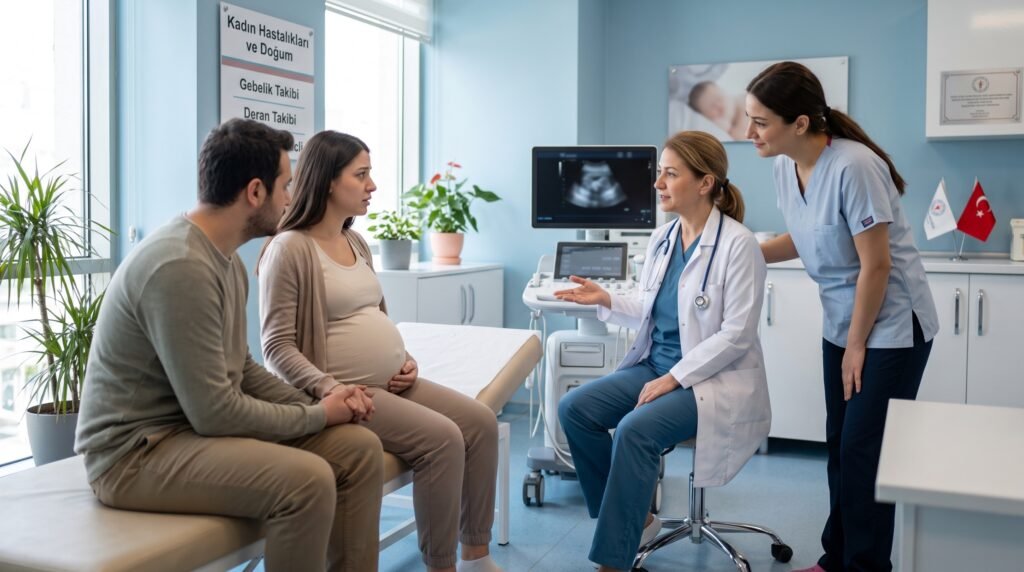
What a Cesarean Birth Is
A cesarean birth is a surgical delivery in which the baby is born through an incision in the mother's abdomen and womb, rather than vaginally. It is carried out by an obstetric team in an operating room, usually with anesthesia that allows the mother to remain awake while numb, so she can be present for the birth. The operation is a well-established procedure, and while it is major surgery, it is performed very commonly and is often the safest option in the situations where it is used.
Orista is a health tourism facilitator that connects international patients with contracted hospitals and physicians in Turkey. This page explains what a cesarean birth involves, when it is used, and what recovery is like, so you can discuss your situation with a qualified specialist.
Planned and Unplanned Cesareans
An important distinction is between a cesarean planned in advance and one decided during labor.
- A planned, or elective, cesarean is arranged before labor, often for a known medical reason or by choice
- An unplanned cesarean is decided during labor when circumstances make it the safest option
- An emergency cesarean is carried out quickly when there is an urgent concern for mother or baby
A planned cesarean allows for preparation and discussion in advance, while an unplanned one is a response to how labor unfolds. In both cases, the aim is the safe delivery of the baby.
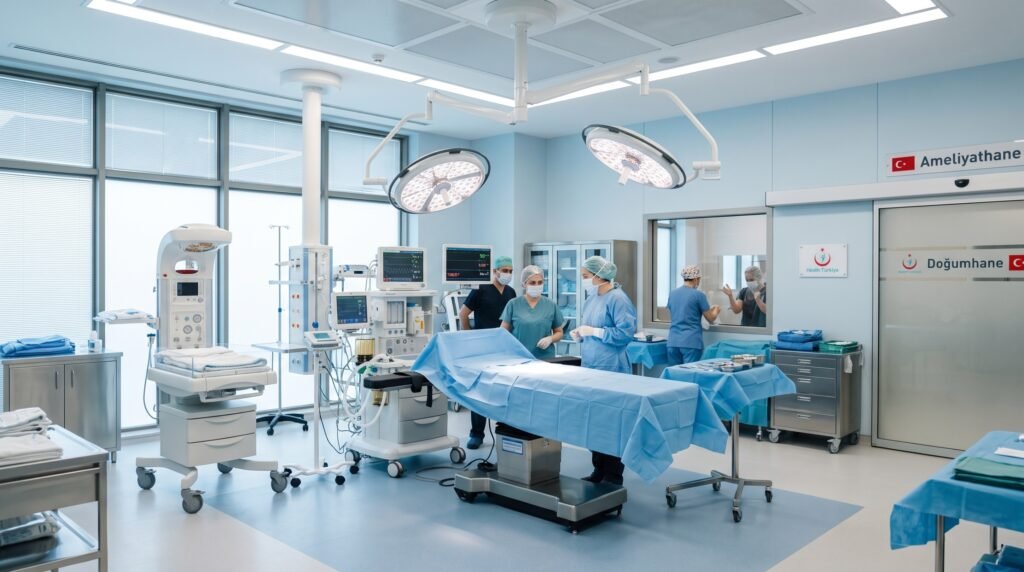
When a Cesarean Is Used
A cesarean may be recommended for a range of reasons, all centered on the safety of mother and baby. These can include the position of the baby, certain conditions in the pregnancy, concerns that arise during labor, a previous cesarean in some cases, or other medical factors. It may also be chosen by a mother in discussion with her specialist. The decision is always individual, and the specialist explains why a cesarean is being recommended or considered in a particular situation, so the mother understands the reasoning.
How the Operation Is Performed
A cesarean is carried out in an operating room by the obstetric team. Most often, regional anesthesia is used, which numbs the lower body while the mother stays awake, though general anesthesia is used in some situations. The surgeon makes an incision, usually low across the abdomen, delivers the baby through it, and then closes the incision. In many cases the mother can hold her baby shortly after birth. The operation itself is usually relatively quick, though preparation and recovery add to the overall time.
Recovery After a Cesarean
Because a cesarean is major surgery, recovery takes longer than after a vaginal birth, and understanding this helps mothers prepare. There is a hospital stay of several days in most cases, and the early period involves caring for the wound, managing discomfort, and gradually returning to activity while also caring for a newborn. Heavy lifting and strenuous activity are avoided for a period. The care team gives guidance on wound care, activity, and recovery. This longer recovery is an important consideration, especially for mothers who are away from home.
A Note for International Mothers
The longer recovery after a cesarean, together with the care a newborn needs, makes planning especially important for mothers considering this away from home. Pregnancy and birth care benefit from continuity, and the period after a cesarean requires rest and support. For mothers considering care in Turkey, the specialist and support team can advise on what is suitable for the individual situation and how care, recovery, and timing can be arranged appropriately, with safety and continuity in mind.
The Consultation and Planning
Planning involves discussion and assessment with the specialist, who reviews the pregnancy, discusses whether a cesarean is recommended or being considered and why, and explains what the operation and recovery involve. Where a cesarean is planned, this can be arranged in advance, while the team also prepares for the possibility of a cesarean during labor as part of a wider birth plan. For international patients, the timing and continuity of care are discussed so that everything is arranged appropriately.
Cesarean Birth in Turkey
Turkey has contracted hospitals in Istanbul and other cities with modern maternity and surgical facilities and experienced obstetric teams. For international patients, combining maternity care with organized support services makes the experience easier to manage, with attention to comfort and privacy, while the longer recovery and the importance of continuity mean planning for the whole course of care matters particularly.
How Orista Supports You
As a facilitator, Orista coordinates the steps around your care with discretion. Your medical information can be reviewed by the medical team, you are matched with a suitable specialist and hospital, and a dedicated representative stays in contact throughout. Transfers, accommodation, translation, and support can be arranged so your attention stays on you and your baby, with your privacy respected throughout.
GOOD TO KNOW
Frequently Asked Questions
What is a cesarean birth?+
It is a surgical delivery in which the baby is born through an incision in the abdomen and womb, rather than vaginally. It is carried out by an obstetric team, usually with anesthesia that lets the mother stay awake while numb.
Is a cesarean always planned?+
No. A planned cesarean is arranged before labor, often for a medical reason or by choice, while an unplanned or emergency one is decided during labor when it becomes the safest option. In all cases the aim is the safe delivery of the baby.
Why might a cesarean be recommended?+
Reasons center on safety and can include the baby's position, certain pregnancy conditions, concerns during labor, a previous cesarean in some cases, or other factors. The specialist explains the reasoning for a particular situation.
How long is the recovery?+
Because it is major surgery, recovery takes longer than after a vaginal birth, with a hospital stay of several days and a period of avoiding heavy lifting and strenuous activity. The care team gives guidance on recovery.
What should international mothers consider?+
The longer recovery and the care a newborn needs make planning especially important. The specialist and support team advise on what is suitable and how care, recovery, and timing can be arranged with safety and continuity in mind.
This content is for general informational purposes only and does not constitute medical advice, diagnosis, or treatment. Every pregnancy is different, and suitability and outcomes vary. A cesarean is major surgery, and decisions about birth should be made with a qualified specialist who knows the individual situation. Please consult a qualified gynecology and obstetrics specialist for assessment and personalized guidance regarding your care.