
DENTAL TREATMENTS
Teeth Whitening (Bleaching)
A brighter smile is one of the most requested improvements in dentistry, and teeth whitening, or bleaching, is the most direct way to achieve it. Over time, teeth naturally darken or pick up stains from food, drink, and other factors, and whitening lightens their color to give a fresher, brighter appearance. It is a popular, relatively simple cosmetic treatment, and understanding how it works, and what it can and cannot do, helps set realistic expectations for a whiter smile.
What Teeth Whitening Is
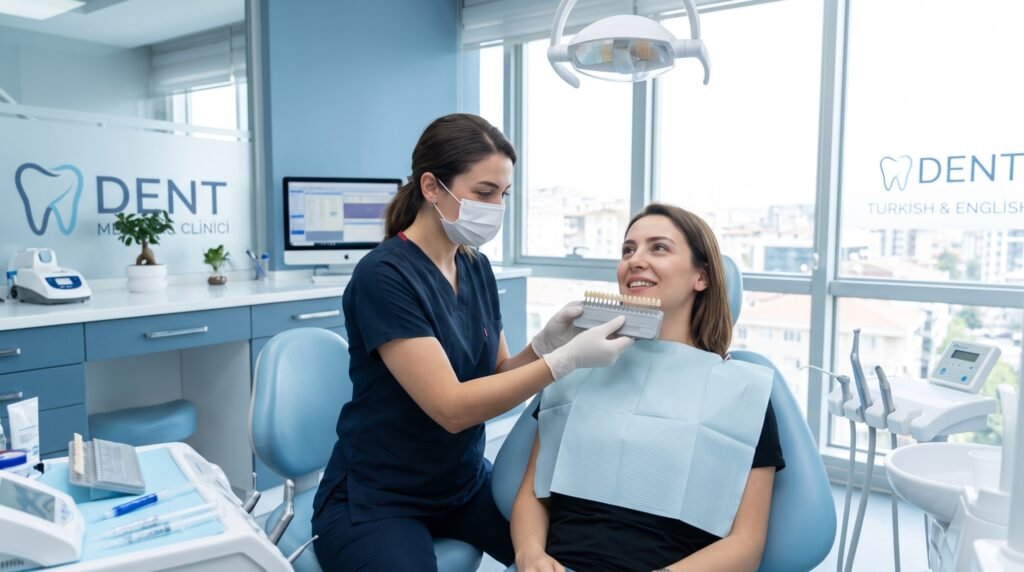
Teeth whitening, or bleaching, is a cosmetic treatment that lightens the color of the teeth. It uses a whitening agent that breaks down stains and lightens the shade of the tooth, making the teeth appear brighter. It does not change the structure of the teeth, only their color. Whitening can be carried out in the dental clinic by a professional or, in some cases, with dentist-provided kits for use at home, and the dentist advises on the approach suited to the individual. It is among the most straightforward of cosmetic dental treatments.
Orista is a health tourism facilitator that connects international patients with contracted clinics and dentists in Turkey. This page explains what teeth whitening involves, the options available, and what to consider, so you can plan the right approach together with a qualified dentist.
Why Teeth Lose Their Brightness
Understanding why teeth darken helps explain what whitening addresses. Teeth can lose their brightness for several reasons, and knowing the cause matters because it affects how well whitening works.
- Staining from food and drink such as coffee, tea, red wine, and some foods
- Tobacco use, which stains the teeth over time
- Natural darkening of the teeth with age
- Other factors, some of which respond less well to whitening
Whitening works best on the kinds of discoloration it is suited to, and the dentist assesses the cause to advise on what result is realistic.
Professional and Home Whitening
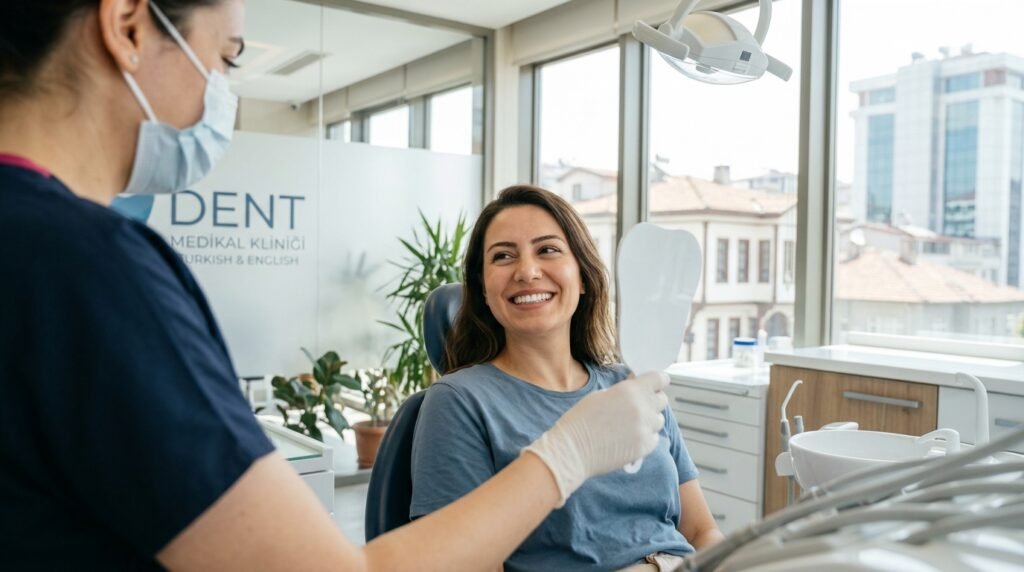
Whitening can be approached in more than one way, and the main distinction is between professional, in-clinic treatment and home use under a dentist's guidance. In-clinic whitening is carried out by the dental team using stronger agents under controlled conditions, often giving a quicker result in a session or two. Home whitening uses custom trays and dentist-provided gel applied over a period at home. Both are overseen by the dentist, which is important for safety and a good result. The dentist advises which suits the person, and sometimes the two are combined.
What Whitening Can and Cannot Do
An important point for realistic expectations is understanding the limits of whitening. It lightens the natural color of the teeth and removes many stains, giving a brighter smile, but it does not work on everything. It does not change the color of dental work such as crowns, veneers, or fillings, which do not whiten with the natural teeth, so these may need to be considered in a smile plan. Some kinds of discoloration respond less well to whitening, and in those cases other cosmetic options may be more suitable. The dentist explains what whitening can realistically achieve for the individual.
Is Whitening Safe for the Teeth?
When carried out or overseen by a dentist, whitening is generally considered a safe cosmetic treatment. Some people experience temporary tooth sensitivity or mild gum irritation during or after whitening, which usually settles. Having whitening done under professional guidance, rather than with unregulated products, is important for safety and to protect the teeth and gums. The dentist checks that the teeth and gums are healthy before whitening, since whitening is best done on a healthy mouth, and advises on managing any sensitivity.
The Consultation and Planning
Care begins with a consultation and assessment. The dentist examines the teeth and gums, checks that the mouth is healthy, assesses the cause of the discoloration, discusses the desired result, and explains the whitening options and what is realistic. Where there is dental work or discoloration that will not whiten, this is discussed as part of planning the smile. For international patients, an initial discussion can often begin remotely, with assessment and treatment during the visit.
Whitening as Part of a Smile Plan
Whitening is sometimes done on its own and sometimes as part of a wider smile plan. Because it only affects the natural teeth, its place in a plan is considered alongside any other treatments, such as veneers or bonding, so that the overall result is harmonious. For example, whitening is often done before matching dental work to the new, lighter shade. The dentist plans whitening within the context of the person's overall goals for their smile, so the elements work together.
Teeth Whitening in Turkey
Turkey is a frequent destination for cosmetic dental treatment, supported by contracted clinics in Istanbul and other cities with modern facilities and experienced dentists. For international patients, combining whitening, often with other dental treatments, and organized travel, accommodation, and support services makes the experience easier to manage.
How Orista Supports You
As a facilitator, Orista coordinates the steps around your dental care. Your information and any dental records can be reviewed by the medical team before you travel, you are matched with a suitable clinic and dentist, and a dedicated representative stays in contact throughout. Transfers, accommodation, translation, and support can be arranged so your attention stays on your treatment.
GOOD TO KNOW
Frequently Asked Questions
What is teeth whitening?+
It is a cosmetic treatment that lightens the color of the teeth using a whitening agent that breaks down stains and lightens the shade. It changes only the color, not the structure of the teeth, giving a brighter appearance.
What is the difference between in-clinic and home whitening?+
In-clinic whitening is carried out by the dental team using stronger agents under controlled conditions, often quicker. Home whitening uses custom trays and dentist-provided gel over a period at home. Both are overseen by the dentist.
Will whitening work on crowns or veneers?+
No. Whitening lightens the natural teeth but does not change the color of dental work such as crowns, veneers, or fillings, which do not whiten with the natural teeth. These are considered as part of a smile plan.
Is whitening safe?+
When carried out or overseen by a dentist, it is generally considered safe. Some people have temporary sensitivity or mild gum irritation that usually settles. Professional guidance, rather than unregulated products, is important for safety.
Will my teeth stay white forever?+
Whitening lightens the teeth, but they can pick up stains again over time from food, drink, and other factors. The dentist can advise on maintaining the result and what is realistic for the individual.
This content is for general informational purposes only and does not constitute medical or dental advice, diagnosis, or treatment. Suitability, methods, and outcomes differ from person to person, and results depend on the cause of discoloration. Please consult a qualified dentist for an examination and personalized guidance before making any decision about teeth whitening.