
MEDICAL BRANCHES
Physical Therapy and Rehabilitation
Recovering movement, strength, and function after an injury, surgery, or illness, or managing a long-term condition that affects the body, is where physical therapy and rehabilitation come in. This field helps people regain and improve their physical abilities, reduce pain, and return to daily life, often without surgery. It plays a role across many areas of medicine, from recovery after an operation to the management of ongoing conditions. Understanding what rehabilitation offers helps patients see how it can support their recovery and quality of life.
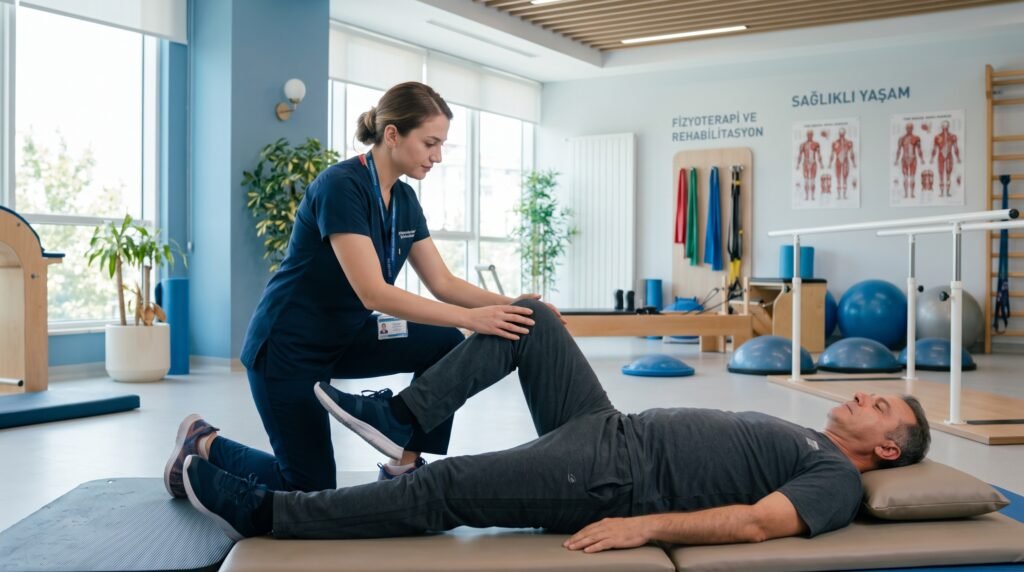
What Physical Therapy and Rehabilitation Are
Physical therapy and rehabilitation, sometimes called physical medicine and rehabilitation, is the field concerned with restoring and improving physical function and movement, and with managing conditions affecting the muscles, joints, nerves, and bones. It uses approaches such as exercise, manual techniques, and physical methods to help people recover function, reduce pain, and improve their ability to carry out daily activities. The field is led by specialists and therapists who assess a person's physical needs and guide a program suited to them, often as a non-surgical approach to a wide range of problems.
Orista is a health tourism facilitator that connects international patients with contracted hospitals and physicians in Turkey. This page explains what physical therapy and rehabilitation involve and how care is arranged, so you can plan the right approach together with a qualified specialist.
What It Helps With
Physical therapy and rehabilitation support recovery and function across many situations, and the following are examples.
- Recovery after surgery, such as orthopedic operations
- Rehabilitation after injury to muscles, joints, or bones
- Management of back, neck, and joint pain
- Recovery of function after a neurological event or condition
- Ongoing conditions affecting movement and physical ability
The approach is always tailored to the individual's condition and goals, which the specialist assesses and plans.
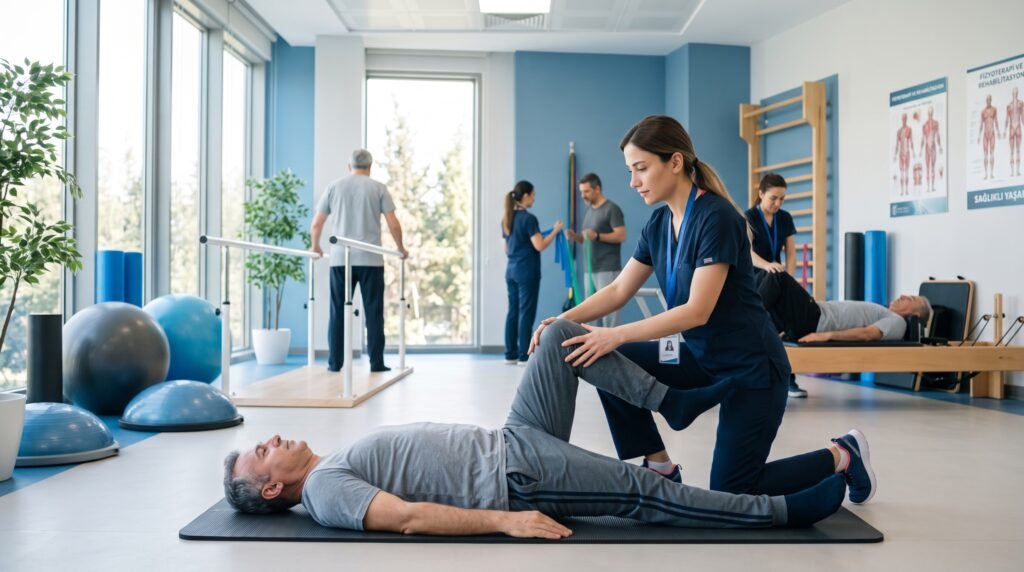
A Non-Surgical Approach for Many Problems
A valuable aspect of this field is that it offers a non-surgical route for many conditions, particularly those affecting the muscles, joints, and spine. For problems such as certain kinds of back or joint pain, a program of targeted exercise and physical treatment can often improve symptoms and function without the need for surgery. Where surgery is needed, rehabilitation also plays a key part in recovery afterward. This means the field both helps people avoid surgery where possible and supports them when it is necessary, which is part of its broad usefulness.
The Role of an Individual Program
A principle in rehabilitation is that progress depends on a program tailored to the individual and carried out over time. Rather than a single treatment, rehabilitation usually involves a planned program of exercises and therapies, suited to the person's condition, abilities, and goals, and adjusted as they progress. Active participation by the person is central, since much of the benefit comes from doing the program consistently. The specialist and therapists guide and support this, setting realistic goals and helping the person work toward them steadily.
The Methods Used
Physical therapy and rehabilitation draw on a range of methods, combined to suit the individual. These can include therapeutic exercise to build strength, flexibility, and movement, manual techniques applied by a therapist, and physical methods used to relieve pain or support healing. Education and guidance on activity and self-management are also part of the approach. The specific combination depends on the person's condition and goals, and the program is designed and adjusted by the specialist and therapists to support the best possible recovery.
The Consultation and Planning
Care begins with a thorough assessment of the person's physical condition, function, and goals. The specialist reviews the history and any relevant results, assesses movement and ability, discusses what the person hopes to achieve, and explains the rehabilitation program and what it involves. For international patients, this often begins remotely through medical information, with assessment during the visit, and because rehabilitation takes place over time, the specialist advises on how the program and any continued care can be arranged.
A Note on Planning for International Patients
Because rehabilitation is carried out over a period and depends on a program of ongoing therapy, it needs careful planning for patients traveling from abroad. Some programs may involve an intensive period of therapy during a stay, with guidance for continuing at home, while others may be arranged differently depending on the condition. A clear plan agreed in advance sets out what is involved and over what timeframe. The specialist and support team advise on how rehabilitation can realistically be arranged for an international patient.
Rehabilitation Care in Turkey
Turkey is a destination for a wide range of medical care, supported by contracted hospitals in Istanbul and other cities with modern facilities and experienced specialists and therapists. For international patients, combining rehabilitation with organized travel, accommodation, and support services makes the experience easier to manage, while the ongoing nature of rehabilitation means planning for the program's duration matters too.
How Orista Supports You
As a facilitator, Orista coordinates the steps around your care. Your medical information can be reviewed by the medical team before you travel, you are matched with suitable specialists and a hospital, and a dedicated representative stays in contact throughout. Transfers, accommodation, translation, and support can be arranged so your attention stays on your recovery.
GOOD TO KNOW
Frequently Asked Questions
What does physical therapy and rehabilitation help with?+
It helps restore and improve physical function and movement, reduce pain, and manage conditions affecting the muscles, joints, nerves, and bones, across situations such as recovery after surgery or injury, back and joint pain, and ongoing conditions.
Can it help me avoid surgery?+
For many conditions, particularly those affecting the muscles, joints, and spine, a program of targeted exercise and physical treatment can improve symptoms and function without surgery. Where surgery is needed, rehabilitation also supports recovery afterward.
What does a rehabilitation program involve?+
Usually a planned program of exercises and therapies tailored to the person's condition, abilities, and goals, carried out over time and adjusted as they progress. Active participation is central, as much of the benefit comes from doing it consistently.
What methods are used?+
A range, combined to suit the individual, including therapeutic exercise, manual techniques, and physical methods to relieve pain or support healing, along with education on activity and self-management.
How does it work for international patients?+
Because rehabilitation is carried out over a period, it needs careful planning. Some programs involve an intensive period during a stay with guidance for continuing at home. The specialist advises on how it can realistically be arranged.
This content is for general informational purposes only and does not constitute medical advice, diagnosis, or treatment. Suitability, methods, and outcomes differ from person to person. Please consult a qualified specialist for an assessment and personalized guidance regarding physical therapy and rehabilitation.