
MEDICAL BRANCHES
Nuclear Medicine and Molecular Imaging
Most medical imaging shows what the body looks like, but one field reveals something different: how the body is working at a functional level. Nuclear medicine and molecular imaging is the specialized area that uses very small, safe amounts of radioactive material to produce images showing how organs and tissues function, and in some cases to treat certain conditions. It offers a view of activity within the body that other methods do not, making it valuable in diagnosing and managing a range of conditions. Understanding what this field offers helps patients see when it may form part of their care.
What Nuclear Medicine Is
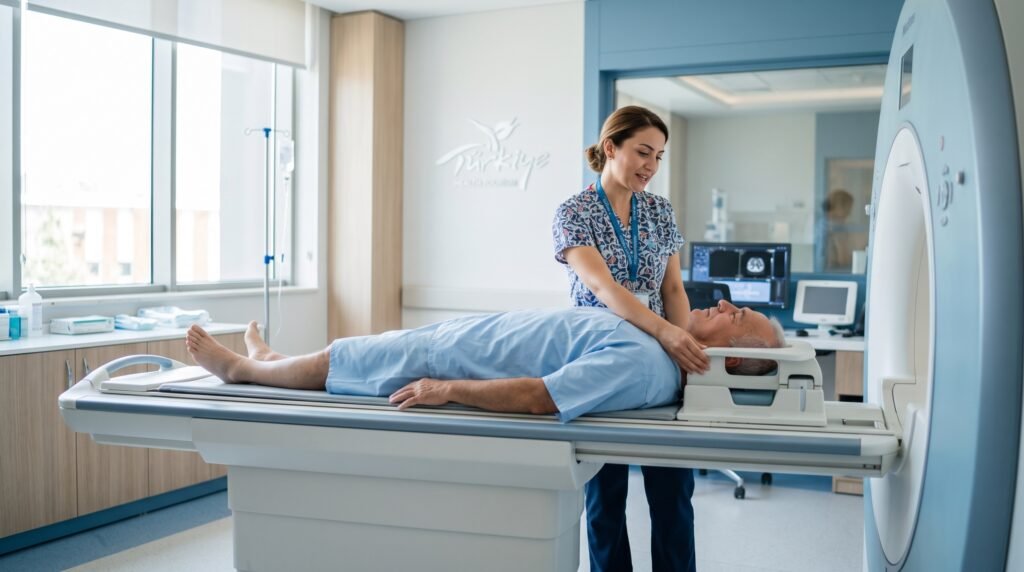
Nuclear medicine is a branch of medicine that uses very small amounts of radioactive material, given to the patient, to produce images or to treat certain conditions. For imaging, the material is designed to gather in particular organs or tissues, and a special camera detects it, producing images that show how those parts of the body are functioning. This is what sets it apart from many other types of imaging, which mainly show structure. Molecular imaging refers to this ability to see activity and processes within the body at a detailed level, offering insight that supports diagnosis and management.
Orista is a health tourism facilitator that connects international patients with contracted hospitals and physicians in Turkey. This page explains what nuclear medicine and molecular imaging involves and how care is arranged, so you can discuss it with a qualified specialist, who directs its use as part of a wider plan.
Seeing Function, Not Just Structure
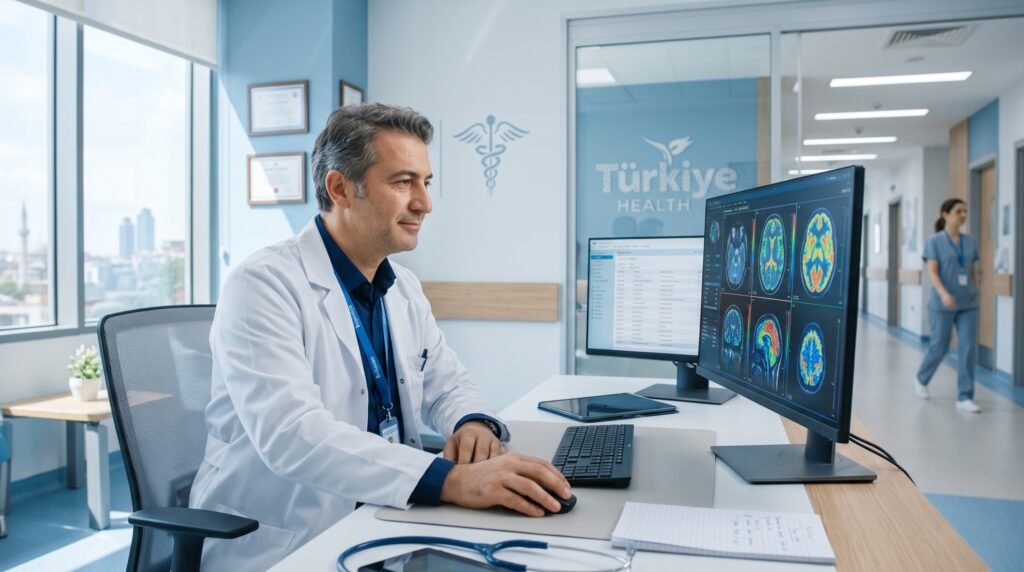
The distinctive value of this field lies in showing how the body is working, not only how it looks. Many imaging methods produce detailed pictures of the body's structures, which is invaluable, but nuclear medicine adds a different dimension by revealing function and activity, how organs are performing or how active a process is. This functional view can detect changes that might not be visible by structure alone, and it can help characterize a condition more fully. Seeing function alongside structure gives doctors a richer understanding, which is why nuclear medicine plays an important role in many areas of care.
How It Is Used
Nuclear medicine and molecular imaging is used across a range of areas, and the following are examples of its roles.
- Imaging that shows how particular organs are functioning
- Helping assess and characterize certain conditions, including in cancer care
- Providing information that supports diagnosis and planning
- In some cases, treating certain conditions with targeted radioactive material
Its use is always directed by specialists as part of a wider assessment, and how it applies depends on the individual situation.
A Diagnostic and Treatment Tool
While much of nuclear medicine is about imaging, the field also has a treatment side. The same principle of using radioactive material that gathers in specific tissues can, in certain conditions, be used to deliver treatment directly to where it is needed. This is used for particular conditions and is always carefully assessed and directed by specialists. So nuclear medicine serves both to see inside the body in a functional way and, in selected cases, to treat. Which role applies depends entirely on the condition, and the specialist explains how it fits a particular situation.
Is It Safe
A natural question is whether using radioactive material is safe, and this is worth addressing honestly. The amounts used in nuclear medicine are very small and are chosen and managed carefully by specialists, and the field is a well-established and routine part of modern medicine. The material used for imaging is generally cleared from the body over time. As with any medical procedure involving radiation, its use is justified by the benefit it provides, weighed by the medical team, and patients can discuss any questions with the specialist. This careful, justified use is a core principle of the field.
Part of a Wider Plan
Nuclear medicine and molecular imaging rarely stands alone. It is typically used as one part of a wider assessment or treatment plan, requested by a specialist to answer a particular question or to support management of a condition. The images or treatment it provides are interpreted and used alongside other information by the medical team. For patients, this means nuclear medicine is one piece of their care rather than the whole picture, contributing valuable functional information that helps guide decisions. The specialist explains how it fits into the overall plan for a condition.
The Consultation and Planning
Use of nuclear medicine is directed by specialists as part of assessing or treating a condition. Where it is recommended, the specialist explains why, what the procedure involves, and how the information or treatment will be used. For international patients, care is coordinated so that any such imaging or treatment fits properly into the overall plan, with medical information reviewed in advance so the right approach can be arranged. The specialist is always the right person to explain how nuclear medicine applies to a particular situation.
Nuclear Medicine in Turkey
Turkey is a destination for a wide range of medical care, supported by contracted hospitals in Istanbul and other cities with modern facilities, including advanced imaging, and experienced specialists. For international patients, combining care with organized travel, accommodation, and support services makes the experience easier to manage, allowing attention to stay on the care and its purpose.
How Orista Supports You
As a facilitator, Orista coordinates the steps around your care. Your medical information can be reviewed by the medical team before you travel, you are matched with suitable specialists and a hospital, and a dedicated representative stays in contact throughout. Transfers, accommodation, translation, and support can be arranged so your attention stays on your health.
GOOD TO KNOW
Frequently Asked Questions
What is nuclear medicine and molecular imaging?+
It is a field that uses very small amounts of radioactive material to produce images showing how organs and tissues function, and in some cases to treat certain conditions. Molecular imaging refers to seeing activity and processes within the body in detail.
How is it different from other imaging?+
Many imaging methods mainly show the body's structure, while nuclear medicine shows function and activity, how organs are working or how active a process is. This functional view can detect changes not visible by structure alone and help characterize a condition.
Is it used to treat as well as diagnose?+
Yes. Alongside imaging, the same principle can in certain conditions deliver treatment directly to where it is needed using targeted radioactive material. This is used for particular conditions and is always carefully assessed and directed by specialists.
Is it safe?+
The amounts used are very small and managed carefully by specialists, and the field is a well-established, routine part of modern medicine. Its use is justified by the benefit it provides, weighed by the medical team, and questions can be discussed with the specialist.
How does it fit into my care?+
It is typically one part of a wider assessment or treatment plan, requested by a specialist to answer a particular question or support management, and interpreted alongside other information. The specialist explains how it fits your overall plan.
This content is for general informational purposes only and does not constitute medical advice, diagnosis, or treatment. The use of nuclear medicine and molecular imaging is directed by specialists as part of a wider plan, and how it applies differs from person to person. Please consult a qualified specialist for guidance regarding your situation.