
MEDICAL AESTHETIC
Filling (Dermal Fillers)
Dermal filling is one of the most widely requested non-surgical aesthetic applications. It uses injectable gels to restore volume that has been lost over time, smooth lines and folds, and refine the shape of specific features on the face and, in some cases, the hands. Because the treatment is quick and requires little recovery, it has become a common reason for patients to plan an aesthetic visit, including those traveling from abroad.
What Is Dermal Filling?
Dermal filling is the controlled injection of a soft gel material beneath the skin to add volume and support. The most common type of filler is based on hyaluronic acid, a substance that occurs naturally in the body and helps tissues hold moisture and structure. As the skin ages, it gradually loses collagen, elastin, and this natural volume, which can lead to hollows, deeper folds, and a tired appearance. Filling aims to replace that lost support in a measured way so the result looks balanced rather than overdone.
The treatment is considered minimally invasive. It does not involve incisions or general anesthesia and is usually completed in a single short session. The physician selects the product type, thickness, and placement depth according to the area being treated and the goal of the treatment.
Orista acts as a health tourism facilitator that connects patients with contracted hospitals and physicians in Turkey. This page explains what dermal filling involves, which areas it can address, how the process works, and what to consider, so that you can discuss the right plan with a qualified specialist.
Types of Filler Material
Several categories of filler exist, and each behaves differently once placed. The choice depends on the treatment area, the depth of correction needed, and how long the effect is expected to last.
Hyaluronic Acid Fillers
These are the most frequently used fillers. They are appreciated for their natural feel and for the fact that, in many cases, their effect can be adjusted or reversed with a specific enzyme if needed. They suit a wide range of areas, from fine lines to volume restoration.
Collagen-Stimulating Fillers
Some fillers work by encouraging the skin to produce more of its own collagen over time rather than only adding immediate volume. The change with these products tends to develop more gradually and can be suited to broader areas of volume loss.
Calcium-Based Fillers
Fillers based on calcium hydroxylapatite are thicker and are often used for deeper support in areas that need more structure. A physician determines whether this type is appropriate during the assessment.

Which Areas Can Be Treated?
Dermal filling is versatile and can be applied to several regions of the face. The exact plan is always tailored to the individual.
- Cheeks, to restore volume and support the mid-face
- Lips, to add definition, shape, or subtle fullness
- Nasolabial folds, the lines running from the nose to the mouth
- Under-eye area, to soften hollows and shadowing
- Jawline and chin, to improve definition and profile
- Fine lines around the mouth and other static creases
How the Procedure Works
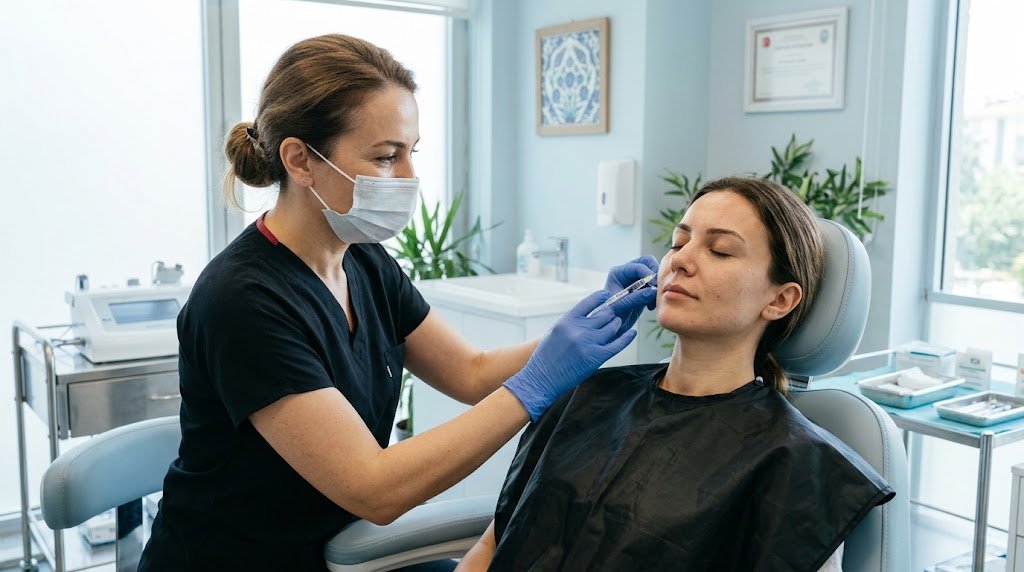
A filling session begins with a consultation in which the physician examines the area, discusses your expectations, and plans the placement. The skin is cleansed, and a numbing cream or a filler containing a local anesthetic is often used for comfort. The product is then injected at the planned depth using a fine needle or a blunt-tipped cannula. The physician may massage or shape the area gently to ensure an even result. Most sessions take around fifteen to forty-five minutes depending on the number of areas treated.
Who Is a Suitable Candidate?
Filling is generally considered by adults in good general health who want to address volume loss, folds, or contour concerns without surgery and who have realistic expectations. It may not be advised during pregnancy or breastfeeding, or for people with certain skin infections, specific allergies, or particular medical conditions. A proper assessment with a qualified physician is the only reliable way to confirm suitability.
- Adults looking to restore volume or soften folds and lines
- People who prefer a non-surgical option with short recovery
- Those who want to refine the shape of a specific feature
- Patients willing to follow the aftercare guidance given to them
Results and How Long They Last
One of the reasons filling is popular is that results are usually visible immediately, with the final appearance settling over the following days as any initial swelling resolves. The duration of the effect varies by product type, the area treated, and individual factors such as metabolism. Hyaluronic acid results often last several months to longer, after which the material is gradually broken down by the body. Many patients choose to refresh the treatment at intervals recommended by their physician. Because specific figures differ from person to person, the physician will give a realistic range during consultation.
Recovery and Aftercare
Downtime after filling is typically short. Mild redness, slight swelling, tenderness, or small bruises can occur at the injection points and usually settle within a few days. Following simple aftercare advice helps the area heal comfortably.
- Avoid intense heat, saunas, and strenuous exercise for a short period
- Avoid pressing or heavily massaging the treated area unless advised
- Protect the skin from direct sun while it settles
- Follow the specific instructions your physician provides
Possible Risks and Considerations
As with any medical application, filling carries some considerations that should be discussed in advance. Temporary swelling, bruising, redness, or tenderness are the most common and usually resolve on their own. Less common effects can include lumps, asymmetry, or reactions at the injection site. Choosing a qualified physician and an appropriate product reduces risk, and any concern after treatment should be reported to the treating physician. A full discussion of risks is part of the consultation.
Dermal Filling in Turkey
Turkey is a frequent destination for patients seeking aesthetic and dermatological care. Contracted hospitals in Istanbul and other cities offer modern facilities and physicians experienced in injectable treatments. For international patients, combining the treatment with organized travel and support services makes the overall experience easier to manage, allowing attention to stay on the result and recovery.
How Orista Supports Your Treatment Journey
As a health tourism facilitator, Orista helps coordinate the steps around your treatment. Your medical information is reviewed by the medical team, and you are matched with a suitable hospital and physician. A dedicated representative assists with planning, and services such as airport transfer, accommodation, and translation can be arranged on your behalf.
- Review of your information and matching with an appropriate specialist
- A personal representative to guide you through each stage
- Support with travel, accommodation, and transfers
- Translation assistance during your stay
GOOD TO KNOW
Frequently Asked Questions
Is dermal filling painful?+
Discomfort is usually mild. A numbing cream or a filler that contains a local anesthetic is often used, and many patients describe only a brief pinching sensation during the injection.
When will I see the results?+
Results are generally visible right away. The final appearance settles over the following days as any initial swelling resolves.
How long does the effect last?+
The duration depends on the product and the area treated. Hyaluronic acid results often last several months to longer. Your physician can give a realistic range for your treatment.
Can the filler be reversed?+
Many hyaluronic acid fillers can be adjusted or dissolved with a specific enzyme if needed. Whether this applies depends on the product used, which your physician will explain.
How soon can I return to normal activities?+
Most people return to daily routines quickly. It is usually advised to avoid intense heat and strenuous exercise for a short period, following the aftercare instructions you are given.
This content is for general informational purposes only and does not constitute medical advice, diagnosis, or treatment. Suitability, methods, and outcomes differ from person to person. Please consult a qualified physician or specialist for an assessment and personalized guidance before making any decision about a dermal filling procedure.