
MEDICAL BRANCHES
Thoracic Surgery
Some conditions of the chest need surgical treatment, and this is the domain of thoracic surgery, the field that operates on the organs and structures within the chest, apart from the heart. It addresses conditions of the lungs, the airways, the chest wall, and other structures in the chest cavity, including growths, infections, and other problems. Modern thoracic surgery increasingly uses minimally invasive techniques, which can reduce the impact of what has traditionally been major surgery. Understanding what this field covers helps patients see when surgery of the chest may be part of their care.
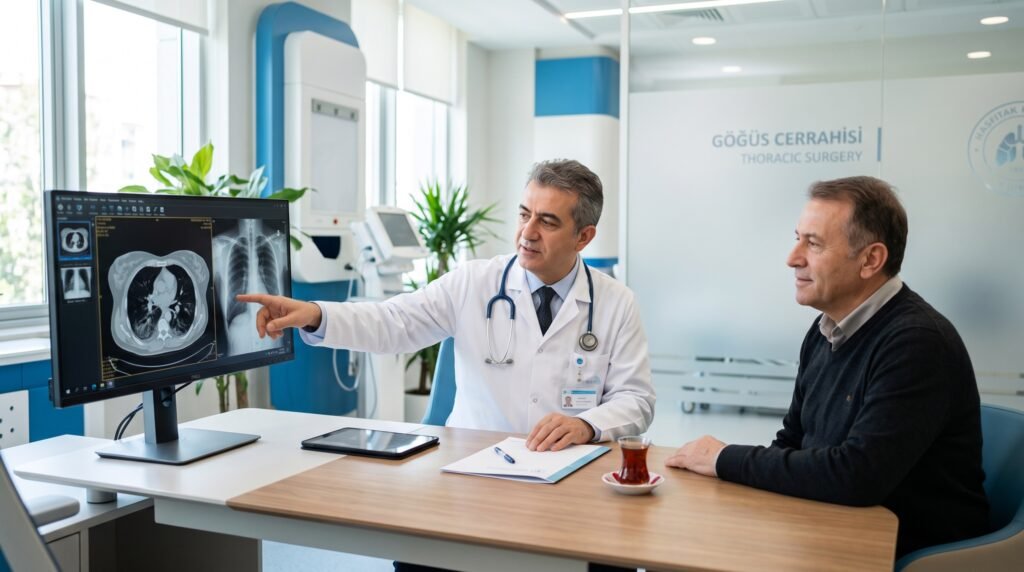
What Thoracic Surgery Is
Thoracic surgery is the branch of surgery concerned with the organs and structures inside the chest, other than the heart, which is the domain of cardiac surgery. It covers operations on the lungs, the airways, the esophagus in some settings, the chest wall, and other structures within the chest cavity. Thoracic surgeons treat conditions such as lung growths, certain infections, and other problems that need surgical treatment, often working closely with chest physicians and, where cancer is involved, with the wider cancer team. It is specialized surgery requiring particular expertise.
Orista is a health tourism facilitator that connects international patients with contracted hospitals and surgeons in Turkey. This page explains what thoracic surgery involves and how care is arranged, so you can plan the right approach together with a qualified surgeon.
The Conditions It May Treat
Thoracic surgery addresses a range of conditions within the chest, and the following are examples.
- Growths or tumors of the lung that need removal or assessment
- Certain lung conditions requiring surgical treatment
- Conditions of the airways or chest wall
- Taking a sample of tissue from the chest to help diagnose a condition
- Other problems within the chest cavity assessed as needing surgery
Each condition is assessed individually, and the surgeon explains the specific problem and the planned operation.
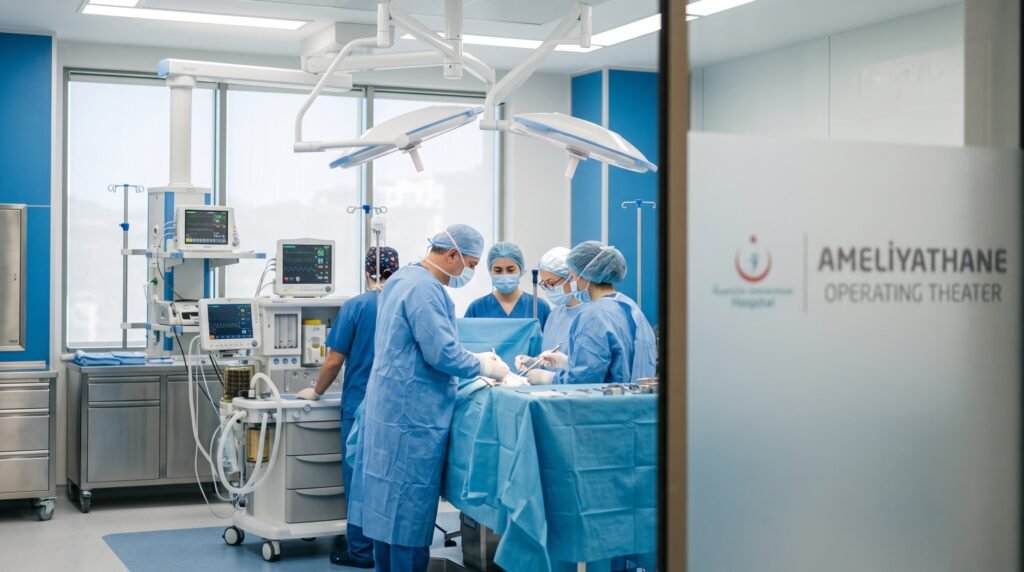
Working With Chest Physicians and Cancer Teams
A feature of thoracic surgery is that it rarely works in isolation. The decision to operate, and the planning of surgery, is usually made together with chest physicians who diagnose and manage lung conditions, and, where a growth may be cancer, with the wider cancer team. This coordinated approach ensures that surgery fits into the overall plan for a condition, whether as the main treatment, as a way to obtain a diagnosis, or as part of a combined plan. The surgeon explains how the operation fits with the rest of a person's care.
Minimally Invasive Thoracic Surgery
A significant development in the field is the use of minimally invasive techniques. Many thoracic operations that once required a large opening of the chest can now be carried out through several small incisions using a camera and fine instruments, an approach sometimes called video-assisted thoracic surgery. Where this approach is suitable, it can mean less pain, smaller scars, and a quicker recovery than traditional open surgery. Not every case is suited to it, and the surgeon advises on the best approach, but this development has made chest surgery more manageable for many patients.
The Consultation and Planning
Care begins with a careful assessment, usually involving the wider team. The surgeon reviews the diagnosis, imaging, and any previous results, examines the person, and discusses the proposed operation, how it fits the overall plan, and the recovery. Understanding the condition fully is central to planning. For international patients, this often begins remotely through medical information and imaging, so the right team can be identified and a plan discussed, with further assessment before any operation.
Recovery After Thoracic Surgery
Recovery depends greatly on the operation and whether it was carried out by a minimally invasive or open approach. Minimally invasive procedures often allow a quicker recovery, while larger operations need more time and may involve a longer hospital stay. Breathing exercises and gradual return to activity are usually part of recovery, since the surgery involves the chest. The surgical team monitors the person and gives aftercare guidance. For international patients, planning the length of stay and follow-up carefully is especially important.
Risks and Considerations
As surgery involving the chest, thoracic operations carry risks that depend on the specific procedure and the person, and these are discussed in advance. They include the general risks of surgery and anesthesia alongside considerations particular to chest surgery and the condition being treated. The balance of benefits and risks is weighed by the team as part of planning. An honest and thorough discussion of what the surgery involves, its purpose, and the realistic outlook is an essential part of the consultation, which the surgeon provides.
Thoracic Surgery in Turkey
Turkey is a destination for a wide range of medical care, supported by contracted hospitals in Istanbul and other cities with modern operating facilities and experienced surgeons. For international patients, combining surgery with organized travel, accommodation, and aftercare support makes the experience easier to manage, allowing attention to stay on recovery.
How Orista Supports You
As a facilitator, Orista coordinates the steps around your surgery. Your medical information and imaging can be reviewed by the medical team before you travel, you are matched with a suitable surgeon and hospital, and a dedicated representative stays in contact throughout. Transfers, accommodation, translation, and aftercare support can be arranged so your attention stays on recovery.
GOOD TO KNOW
Frequently Asked Questions
What is thoracic surgery?+
It is surgery on the organs and structures inside the chest other than the heart, including the lungs, airways, and chest wall. Thoracic surgeons treat conditions such as lung growths, certain infections, and other problems needing surgery.
How does it differ from heart surgery?+
Thoracic surgery covers the chest structures other than the heart, which is the domain of cardiac surgery. Thoracic surgeons focus on the lungs, airways, chest wall, and related structures within the chest cavity.
What is minimally invasive thoracic surgery?+
It uses several small incisions and a camera, sometimes called video-assisted thoracic surgery, rather than a large opening of the chest. Where suitable, it can mean less pain, smaller scars, and quicker recovery. The surgeon advises on the best approach.
Is surgery always the main treatment?+
Not always. The operation may be the main treatment, a way to obtain a diagnosis, or part of a combined plan, decided with chest physicians and, where relevant, the cancer team. The surgeon explains how it fits your overall care.
How do I start as an international patient?+
Care often begins remotely through medical information and imaging, so the right team can be identified and a plan discussed, with further assessment before any operation.
This content is for general informational purposes only and does not constitute medical advice, diagnosis, or treatment. Suitability, methods, and outcomes differ from person to person, and all surgery carries risks. Please consult a qualified surgeon or specialist for an assessment and personalized guidance regarding a chest condition that may need surgery.