MEDICAL AESTHETIC
Lipolysis
Some pockets of fat refuse to go, no matter how careful the diet or how regular the exercise. These stubborn, localized deposits are what lipolysis is designed to address. Rather than aiming at overall weight, the treatment focuses on specific, limited areas to help refine the body's contour, using methods that break down or reduce fat in a targeted way without major surgery.

What Lipolysis Is
Lipolysis refers to a group of non-surgical and minimally invasive methods used to reduce small, defined areas of fat. The general principle is to break down or shrink fat cells in the treated zone so the body can gradually process and clear them. Because the focus is on contour rather than mass, lipolysis is best thought of as a shaping tool for resistant areas, not a solution for general weight concerns.
Orista is a health tourism facilitator that connects patients traveling from abroad with contracted hospitals and physicians in Turkey. This page explains what lipolysis is, the forms it takes, and what the treatment involves, so you can consider it with a qualified specialist.
The Main Forms of Lipolysis
Several approaches fall under this name, and the physician selects the one that fits the area and the individual.
Injection Lipolysis
This method uses injections of a solution intended to break down fat in the treated area, which the body then clears over time. It is applied to small, defined pockets and is usually planned as a short course of sessions rather than a single visit.
Energy-Assisted Lipolysis
Here, energy such as laser or other devices is used to target fat cells. Depending on the technique, this may be applied through the skin or with a very fine probe. The approach and the degree of invasiveness vary, and the physician explains what each involves during the assessment.
An Important Distinction
Lipolysis is a contouring treatment for small, stubborn areas. It is not a weight-loss method and is not a substitute for a healthy lifestyle. People at or near a stable weight who have localized deposits tend to be better suited to it than those seeking general weight reduction. A physician will clarify what is realistic for your situation.
Areas That Are Commonly Treated
Lipolysis is directed at defined regions where fat tends to resist diet and exercise.
- Under the chin, for a fuller area sometimes called a double chin
- Abdomen and flanks, for small localized bulges
- Inner or outer thighs, in suitable candidates
- Other limited areas assessed as appropriate by the physician
How the Treatment Is Performed
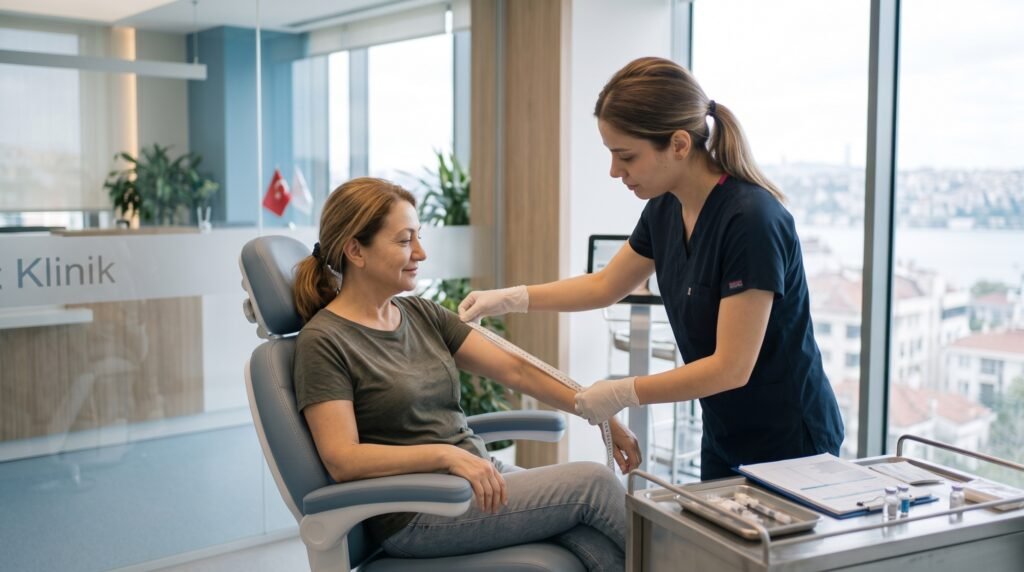
The session takes place in a clinic. The area is cleansed, and a numbing option may be used for comfort depending on the method. For injection lipolysis, the physician delivers the solution across the target zone through a series of small injections. For energy-assisted approaches, the device is applied as the technique requires. Session length varies with the method and the area, and most approaches avoid large incisions.
Who Is a Suitable Candidate?
Lipolysis is generally considered by adults in good general health who are close to a stable weight and have localized fat that resists diet and exercise, with realistic expectations about a gradual, contour-focused result. It may not be advised during pregnancy or breastfeeding, or for people with certain conditions. A physician will assess the area and your overall situation to confirm suitability and the most appropriate method.
Results and the Treatment Course
Results develop gradually as the body processes and clears the affected fat, so the change appears over weeks rather than immediately. Most plans involve more than one session spaced apart, and the physician will outline a realistic schedule and timeframe during the assessment. Maintaining a stable weight afterward helps preserve the result.
Recovery and Aftercare
Recovery depends on the method used. Mild swelling, redness, tenderness, bruising, or firmness in the treated area can occur and usually settle over a period that the physician will describe. Simple care supports comfortable healing.
- Follow any advice on compression or supporting the area if given
- Keep away from intense exercise and strong heat for the advised period
- Stay hydrated and maintain a stable, healthy routine
- Follow the specific instructions your physician provides
Points to Consider
As with any body treatment, there are considerations to review beforehand. Temporary swelling, bruising, tenderness, or firmness are common and resolve over time. Results vary between individuals and depend on the area and the number of sessions. Because several methods exist, choosing the right one for your situation is important, and a qualified physician is best placed to advise. An open discussion of your goals, weight stability, and medical history helps plan a safe and realistic treatment.
Lipolysis in Turkey
Turkey is a frequent destination for body contouring and aesthetic care, with contracted hospitals in Istanbul and other cities offering modern facilities and experienced physicians. For international patients, planning a course of treatment alongside organized travel and local support makes the process easier to manage across visits if needed.
How Orista Supports You
As a facilitator, Orista coordinates the steps around your treatment. The medical team reviews your information, matches you with a suitable physician and hospital, and a dedicated representative stays in contact throughout. Transfers, accommodation, and translation can be arranged so the practical side is handled for you.
GOOD TO KNOW
Frequently Asked Questions
Is lipolysis a way to lose weight?+
No. It is a contouring treatment for small, stubborn areas, not a weight-loss method. It suits people near a stable weight with localized deposits rather than those seeking general reduction.
How many sessions will I need?+
Most plans involve more than one session spaced apart. The physician will suggest a realistic schedule based on the area and your response.
When will I see results?+
The change develops gradually over weeks as the body processes the treated fat, rather than appearing immediately.
Is the treatment painful?+
Discomfort depends on the method. A numbing option may be used, and most patients tolerate the treatment well. Your physician will explain what to expect.
Will the fat come back?+
Maintaining a stable weight helps preserve the result. Significant weight gain afterward can affect the outcome, which your physician will discuss.
This content is for general informational purposes only and does not constitute medical advice, diagnosis, or treatment. Suitability, methods, and outcomes differ from person to person. Please consult a qualified physician or specialist for an assessment and personalized guidance before making any decision about a lipolysis procedure.