

For many people living with obesity, diet and exercise alone haven’t been enough, and that’s not a failure of willpower. Weight is shaped by appetite hormones, metabolism, genetics and habits built over years. Medical and surgical treatments work on some of those factors directly, which is why they can help when other attempts haven’t.
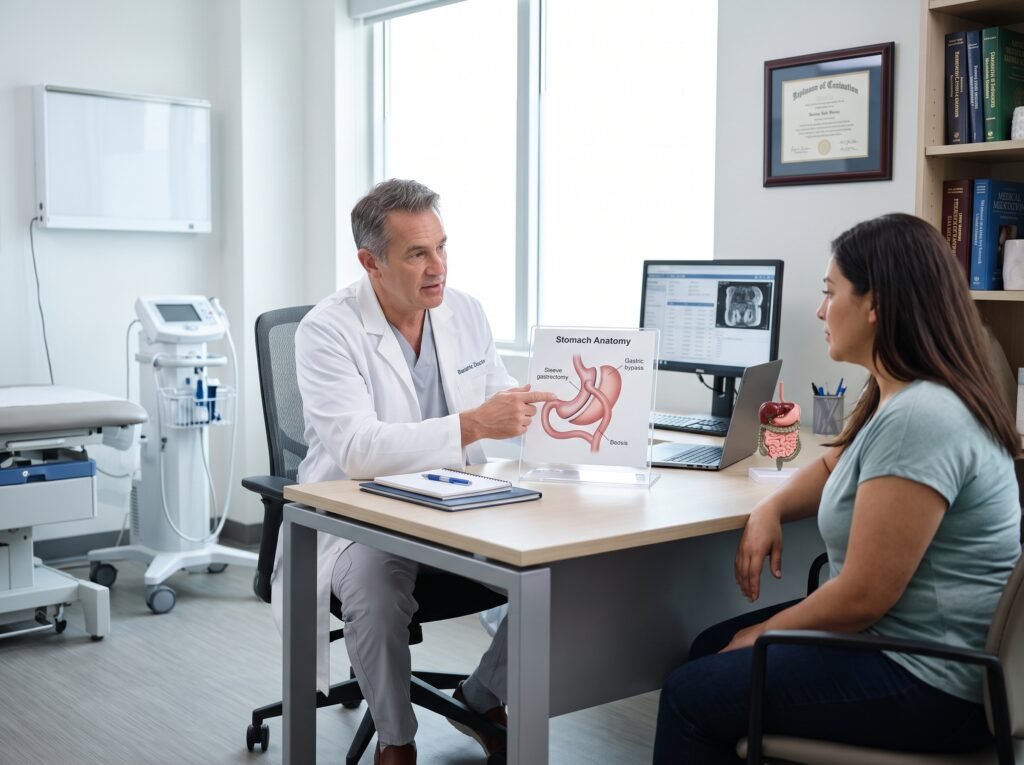
The options range from non-surgical procedures to major operations. Here’s how they compare.
Gastric botox
This is the lightest option. Botulinum toxin is injected into the stomach wall during an endoscopy, with no incisions. It slows stomach emptying and can reduce hunger, helping people feel full for longer. The effect is temporary, generally lasting a few months, and it works best for people with a modest amount of weight to lose who are ready to change their eating habits.
Gastric balloon
A soft balloon is placed in the stomach through the mouth, usually by endoscopy, then filled so it takes up space and helps you feel full on smaller portions. It’s removed after a set period, often around six months depending on the type. It suits people who want a non-surgical route or need to lose weight before another operation.
Gastric sleeve
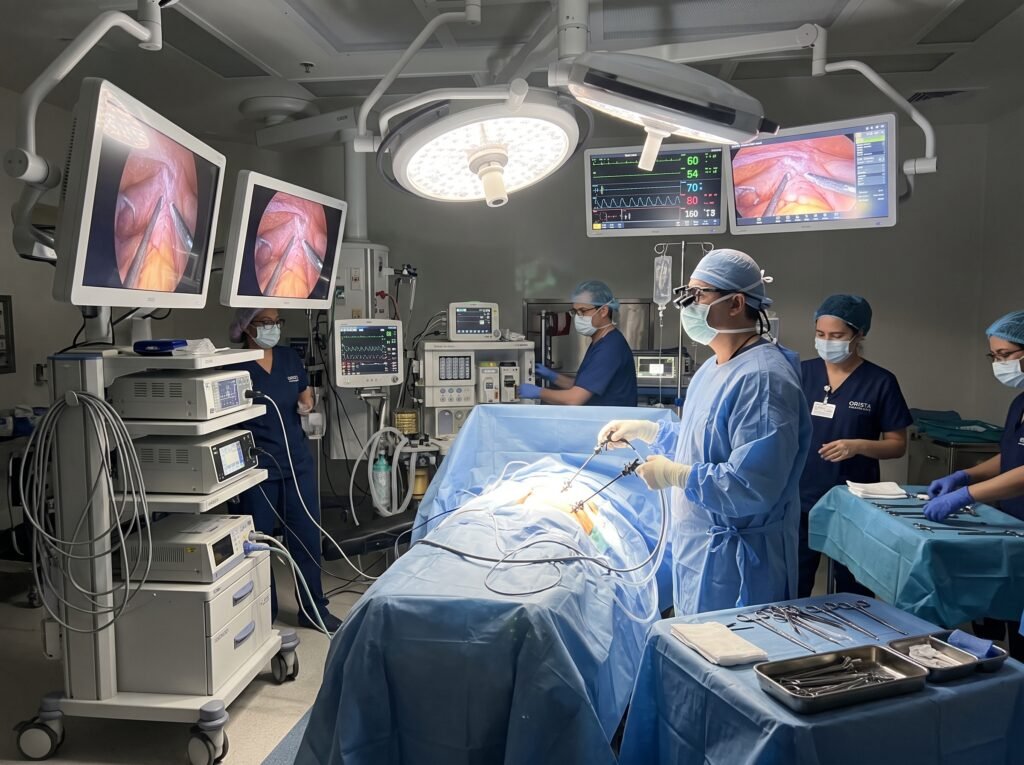
Sleeve gastrectomy removes a large part of the stomach, leaving a narrow tube. Portions become much smaller, and the operation also lowers levels of a hunger hormone produced in the removed section. It’s one of the most widely performed weight-loss operations in the world and is done laparoscopically. It can’t be reversed.
Gastric bypass
Bypass creates a small stomach pouch and connects it directly to a lower part of the small intestine. This limits how much you eat and how many calories you absorb. It’s often recommended for people with severe obesity or those with type 2 diabetes or significant acid reflux. Lifelong vitamin and mineral supplements are needed afterward.
Who qualifies?
Eligibility depends mainly on body mass index and related health conditions, along with a full medical assessment. Your doctors will also want to know about previous weight-loss attempts and whether you’re ready for the long-term changes that come with surgery.
Life after the procedure
No procedure works on its own. Results depend on the eating plan in the weeks after treatment, regular follow-up and gradual changes to diet and activity. Support from a dietitian makes a real difference.
How we help
Orista Healthcare arranges your assessment with bariatric teams at our contracted hospitals in Türkiye, coordinates the procedure and your stay, and keeps in touch during the follow-up period once you’re back home.