
GENERAL SURGERY
Pain and Discomfort in the Gallbladder
Pain in the upper right side of the abdomen, often after a fatty meal, is one of the most recognizable signs of a gallbladder problem. The gallbladder is a small organ that stores bile to help digest fat, and when it becomes affected by stones or inflammation, it can cause discomfort that ranges from occasional to severe. Understanding what is behind gallbladder pain, and when it needs treatment, helps patients make sense of a common but sometimes distressing problem.
The Gallbladder and What It Does
The gallbladder is a small, pear-shaped organ that sits beneath the liver. Its job is to store and concentrate bile, a fluid made by the liver that helps the body digest fats. When you eat, the gallbladder releases bile into the digestive system. Although it plays this helpful role, the body can manage without it, which is why removing the gallbladder is a well-established treatment when it causes problems. Understanding this helps explain why surgery is a common solution for gallbladder disease.
Orista is a health tourism facilitator that connects international patients with contracted hospitals and surgeons in Turkey. This page explains what causes gallbladder pain, how it is assessed, and how it may be treated, so you can plan the right approach together with a qualified surgeon.
What Causes Gallbladder Pain
Most gallbladder pain comes from gallstones, hardened deposits that form in the gallbladder. Problems arise when a stone blocks the flow of bile or when the gallbladder becomes inflamed.
- Gallstones that form within the gallbladder
- A stone blocking the outlet, causing a painful attack known as biliary colic
- Inflammation of the gallbladder, known as cholecystitis
- Complications when a stone moves into the bile ducts
The specific cause is identified through assessment, since it affects how the problem is treated.

Recognizing the Symptoms
Gallbladder problems often have a recognizable pattern. The classic symptom is pain in the upper right abdomen, which can spread to the back or shoulder and may come on after eating, particularly fatty foods. Attacks can last from minutes to hours. Other symptoms can include nausea, vomiting, bloating, or indigestion. More serious signs, such as fever, persistent severe pain, or yellowing of the skin, suggest inflammation or a blocked duct and need prompt medical attention. A doctor can determine whether the symptoms point to the gallbladder.
How the Problem Is Assessed
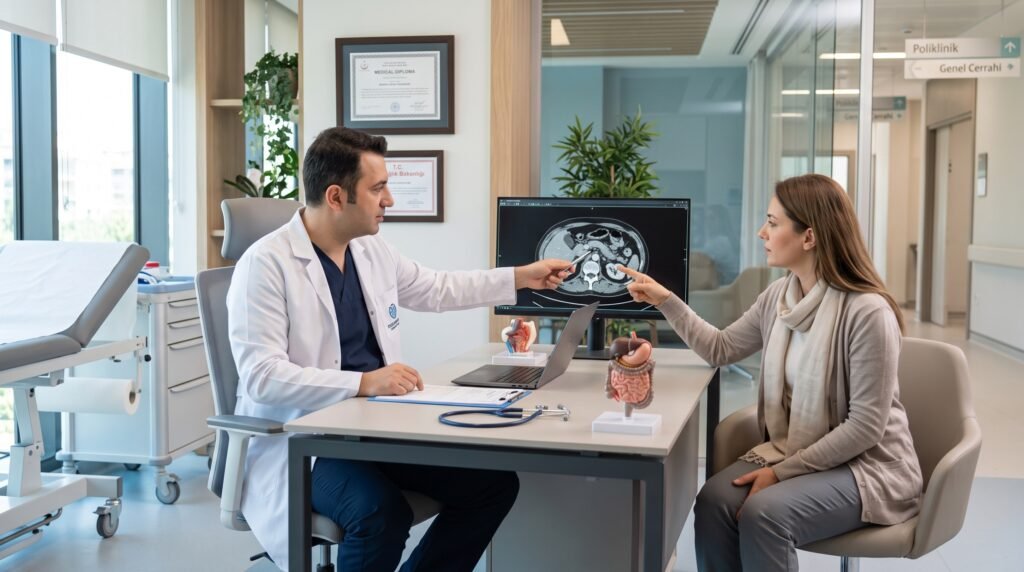
Diagnosing a gallbladder problem combines the pattern of symptoms with investigation. The doctor takes a history and examines the abdomen, and an ultrasound scan is commonly used to look for gallstones and signs of inflammation, since it is effective and straightforward. Blood tests may be used to check for inflammation or effects on the liver, and other imaging may be added in some cases. These investigations together confirm the cause and guide the decision on treatment.
How It May Be Treated
When gallstones cause symptoms, the usual treatment is removal of the gallbladder, an operation called cholecystectomy. This is now most often carried out using a minimally invasive, laparoscopic approach, through several small incisions with a camera, which typically allows a quicker recovery than open surgery. Because the body manages well without the gallbladder, its removal resolves the problem of recurring stones. Not everyone with gallstones needs surgery, however. Stones that cause no symptoms are sometimes simply monitored, and the surgeon advises on the right course for each case.
Who Is a Suitable Candidate for Surgery?
Gallbladder removal is generally considered for patients whose gallstones cause symptoms or complications, who are in a fit enough state of health for surgery and anesthesia. The surgeon assesses your overall health and the specifics of your condition. Those with stones that cause no symptoms may be advised that surgery is not needed, while those with repeated attacks or complications usually benefit from it. A full assessment confirms whether surgery is appropriate for you.
Recovery After Gallbladder Surgery
Recovery after a laparoscopic gallbladder removal is usually quicker than after open surgery. Many people return to normal activity within a couple of weeks, avoiding heavy lifting for a little longer, though an open operation needs more time. Some people notice temporary changes in digestion after the gallbladder is removed, which often settle. Because international patients travel home afterward, planning the length of stay and follow-up is important, and the surgeon gives tailored aftercare guidance.
Risks and Considerations
As a surgical procedure, gallbladder removal carries risks that should be understood in advance. These include the general risks of surgery and anesthesia, bleeding, infection, and considerations specific to the operation, such as injury to nearby structures, which is uncommon in experienced hands. Occasionally a laparoscopic operation needs to be converted to an open one for safety. An honest discussion of the risks and realistic outcomes is part of the consultation, and the surgeon explains what applies to your case.
Gallbladder Treatment in Turkey
Turkey is a frequent destination for surgical care, supported by contracted hospitals in Istanbul and other cities with modern operating facilities and experienced surgeons. For international patients, combining treatment with organized travel, accommodation, and aftercare support makes the overall experience easier to manage, allowing attention to stay on recovery.
How Orista Supports You
As a facilitator, Orista coordinates the steps around your care. Your medical information and reports can be reviewed by the medical team before you travel, you are matched with a suitable surgeon and hospital, and a dedicated representative stays in contact throughout. Transfers, accommodation, translation, and aftercare support can be arranged so your attention stays on recovery.
GOOD TO KNOW
Frequently Asked Questions
Can I live without my gallbladder?+
Yes. The body manages well without the gallbladder, which is why its removal is a well-established treatment for gallstone problems. Some people notice temporary changes in digestion afterward, which often settle.
Do all gallstones need surgery?+
No. Stones that cause no symptoms are sometimes simply monitored. Surgery is usually considered when gallstones cause symptoms or complications. The surgeon advises on the right course for your case.
How is a gallbladder problem diagnosed?+
Through the pattern of symptoms, examination, and investigation. An ultrasound scan is commonly used to look for stones and inflammation, with blood tests and sometimes other imaging to confirm the cause.
How long is the recovery?+
After a laparoscopic removal, many people return to normal activity within a couple of weeks, avoiding heavy lifting for a little longer. An open operation needs more time. The surgeon plans the stay and follow-up with you.
What symptoms need prompt attention?+
Fever, persistent severe pain, or yellowing of the skin can suggest inflammation or a blocked duct and need prompt medical attention. A doctor can determine the cause.
This content is for general informational purposes only and does not constitute medical advice, diagnosis, or treatment. Suitability, methods, and outcomes differ from person to person, and all surgery carries risks. If you have severe abdominal pain, fever, or yellowing of the skin, seek medical help promptly. Please consult a qualified surgeon or specialist for an assessment and personalized guidance regarding gallbladder symptoms.