
MEDICAL BRANCHES
Rheumatology
Pain, stiffness, and swelling in the joints, muscles, and connective tissues can affect how a person moves and lives, and sometimes these problems have causes that need specialized understanding. Rheumatology is the field of medicine devoted to conditions affecting the joints, muscles, bones, and the body's connective tissues, including many conditions in which the body's own defense system plays a part. It covers a range of conditions, from common joint problems to complex ones affecting several parts of the body. Understanding what this field covers helps patients know when a rheumatologist can help with their symptoms.
What Rheumatology Is
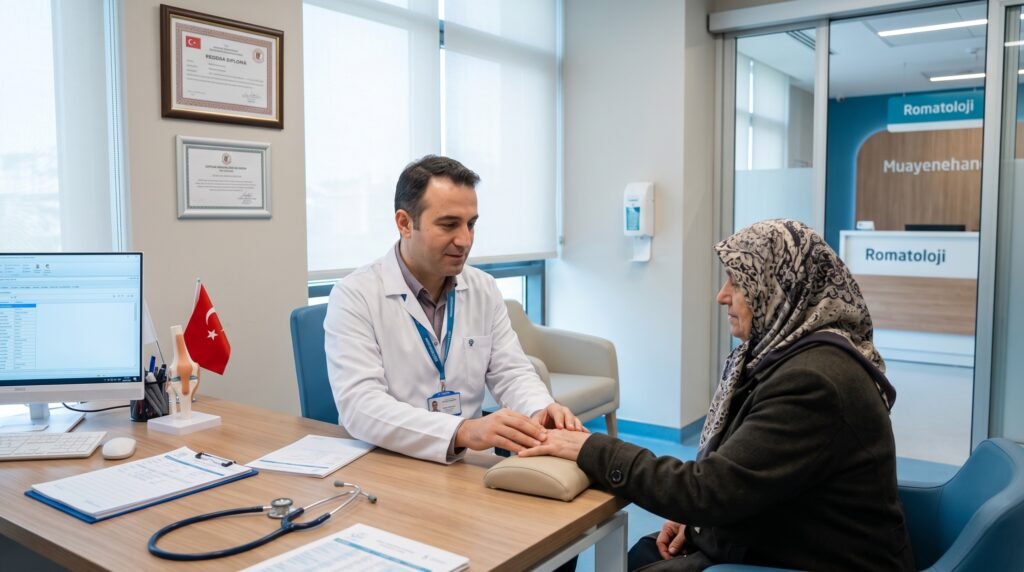
Rheumatology is the branch of medicine concerned with conditions affecting the joints, muscles, bones, and connective tissues, the tissues that support and connect parts of the body. A rheumatologist diagnoses and manages these conditions, many of which cause pain, stiffness, or swelling and can affect movement and daily life. A notable feature of the field is that it includes many conditions in which the body's own defense system is involved, mistakenly affecting the body's own tissues. Rheumatology manages these conditions medically, often over the long term, rather than through surgery.
Orista is a health tourism facilitator that connects international patients with contracted hospitals and physicians in Turkey. This page explains what rheumatology covers and how care is arranged, so you can discuss your situation with a qualified specialist.
When the Body's Defenses Are Involved
A distinctive aspect of rheumatology is that many of the conditions it treats involve the body's own immune system. Normally the immune system defends the body against infection, but in certain conditions it can mistakenly act against the body's own joints or tissues, causing inflammation, pain, and other effects. These conditions can affect not only the joints but sometimes other parts of the body, which is why they can be complex. Understanding and managing this kind of condition is a central part of rheumatology, and it is why the field requires specialized knowledge and careful, often ongoing, management.

The Conditions It Covers
Rheumatology covers a range of conditions affecting the joints, muscles, and connective tissues, and the following are examples.
- Conditions causing inflammation of the joints
- Joint conditions associated with wear over time
- Conditions involving the body's immune system affecting joints or tissues
- Conditions affecting muscles or connective tissues
- Other conditions causing joint or musculoskeletal pain and stiffness
Each condition is assessed individually, and the rheumatologist explains what is involved for a particular situation.
Symptoms That May Prompt Assessment
Rheumatological conditions often make themselves known through symptoms affecting the joints, muscles, or related tissues, which may prompt assessment by a rheumatologist. These can include joint pain, stiffness, particularly in the morning, swelling, and reduced movement, as well as muscle pain, fatigue, and sometimes symptoms affecting other parts of the body. Because such symptoms can arise from different conditions, a specialist works to identify the cause. Symptoms that are persistent, recurrent, or affecting daily life deserve proper assessment, since identifying the condition allows the right management to begin.
How Rheumatological Conditions Are Assessed
Assessing a rheumatological condition combines a careful history with examination and specific tests. The rheumatologist discusses the symptoms and history, examines the joints, muscles, and relevant areas, and uses tests suited to these conditions. These can include blood tests that help identify inflammation or signs of particular conditions, and imaging of the joints. Interpreting these findings together, in the context of the person's symptoms, builds an accurate diagnosis. This careful assessment is important, as many of these conditions can resemble one another, and the right management depends on identifying the condition correctly.
How Rheumatological Conditions Are Managed
Treatment depends entirely on the condition and is tailored to the individual, and much of rheumatology is about managing conditions well over time. Many conditions are managed with medication that reduces inflammation, relieves symptoms, or, in conditions involving the immune system, helps control the underlying process. Guidance on activity, movement, and managing the condition often plays an important part, and other therapies may help. For many conditions, the aim is to control symptoms, protect the joints and tissues, and support daily life over the long term. The rheumatologist explains the approach for the specific condition.
The Importance of Ongoing Management
Many rheumatological conditions are long-term, and a principle of the field is that good ongoing management makes a real difference to how a person lives with them. Rather than a single course of treatment, these conditions are often managed over time, with the aim of controlling symptoms, limiting their effects, and supporting the person's movement and quality of life. This involves the right treatment, regular review, and a partnership between the person and the specialist. For those living with a long-term rheumatological condition, this ongoing, attentive management is central to living well with it.
The Consultation and Planning
Care begins with a thorough assessment. The rheumatologist reviews the symptoms and history, examines the relevant areas, arranges appropriate tests such as blood tests and imaging, and explains the diagnosis and the management plan. For international patients, this often begins remotely through medical information and any previous results, so the right specialist can be identified and a plan discussed, with further assessment during the visit. For long-term conditions, the specialist advises on continued care and monitoring.
Rheumatology Care in Turkey
Turkey is a destination for a wide range of medical care, supported by contracted hospitals in Istanbul and other cities with modern facilities and experienced specialists. For international patients, combining care with organized travel, accommodation, and support services makes the experience easier to manage, while the ongoing nature of many rheumatological conditions means planning for continued care and monitoring matters too.
How Orista Supports You
As a facilitator, Orista coordinates the steps around your care. Your medical information and any results can be reviewed by the medical team before you travel, you are matched with a suitable specialist and hospital, and a dedicated representative stays in contact throughout. Transfers, accommodation, translation, and support can be arranged so your attention stays on your health.
GOOD TO KNOW
Frequently Asked Questions
What does rheumatology cover?+
It covers conditions affecting the joints, muscles, bones, and connective tissues, including many in which the body's immune system is involved. It manages these conditions medically, often over the long term, rather than through surgery.
Why does it involve the immune system?+
Many rheumatological conditions involve the immune system mistakenly acting against the body's own joints or tissues, causing inflammation and other effects. Understanding and managing these conditions is a central part of the field.
What symptoms might need a rheumatologist?+
Joint pain, stiffness especially in the morning, swelling, and reduced movement, as well as muscle pain and fatigue, among others. Symptoms that are persistent, recurrent, or affecting daily life deserve assessment, since different conditions can cause them.
How are these conditions managed?+
Treatment depends on the condition and is tailored to the individual, often with medication to reduce inflammation, relieve symptoms, or control an underlying immune process, alongside guidance on activity. Many conditions are managed over the long term.
How do I start as an international patient?+
Care often begins remotely through medical information and previous results, so the right specialist can be identified and a plan discussed, with further assessment during your visit.
This content is for general informational purposes only and does not constitute medical advice, diagnosis, or treatment. Suitability, methods, and outcomes differ from person to person. Please consult a qualified rheumatologist or specialist for an assessment and personalized guidance regarding a joint, muscle, or connective tissue condition.