
GENERAL SURGERY
Skin and Soft Tissues Surgery
Not all surgery involves the deep organs. Much of general surgery deals with the skin and the soft tissues just beneath it, treating lumps, lesions, infections, and other conditions that appear on or near the surface of the body. These procedures are often smaller and simpler than major operations, but they are important, both for removing troublesome or suspicious growths and for confirming what a lump actually is. This page explains what skin and soft tissue surgery covers and when it is needed.
What Skin and Soft Tissue Surgery Is
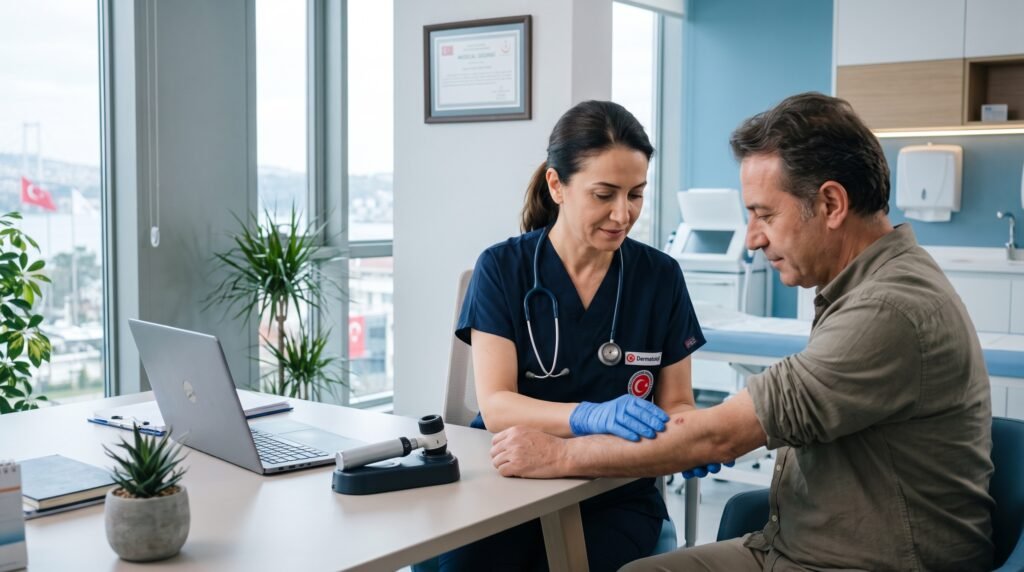
Skin and soft tissue surgery covers operations on the skin and the layers just beneath it, including the fat and connective tissue. General surgeons treat a range of conditions in this area, from removing lumps and lesions to dealing with infections and other problems. Many of these procedures can be carried out with local anesthesia as smaller operations, while some need more involved treatment depending on the condition. The field is broad because so many different conditions can affect the surface and near-surface tissues of the body.
Orista is a health tourism facilitator that connects international patients with contracted hospitals and surgeons in Turkey. This page explains the conditions treated by skin and soft tissue surgery and how care is arranged, so you can plan the right approach together with a qualified surgeon.
Conditions That May Be Treated
A variety of skin and soft tissue conditions fall within general surgery, and the following are examples.
- Lumps beneath the skin, such as lipomas, which are soft fatty growths
- Cysts and other sacs that need removal
- Skin lesions that need to be removed or examined
- Abscesses and infections of the skin and soft tissue
- Ingrown conditions and other localized problems
The surgeon assesses the specific condition and advises on whether and how it should be treated.
Removing a Lump and Confirming What It Is
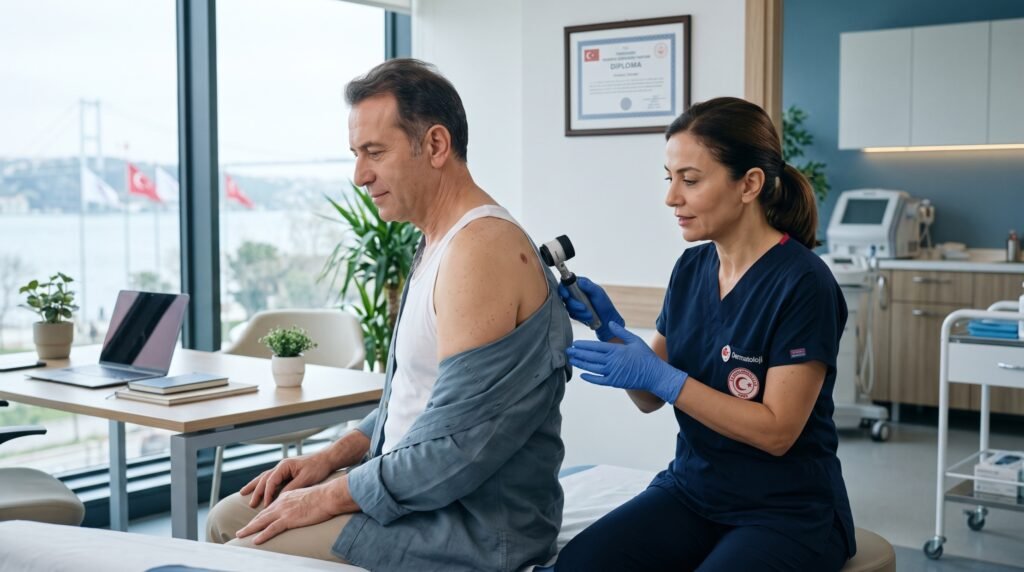
An important purpose of skin and soft tissue surgery is not only to remove a lump but, in some cases, to find out exactly what it is. While most such lumps are benign, meaning not cancerous, a lump cannot always be judged by feel alone, and removing it allows it to be examined if there is any uncertainty. For this reason, a surgeon may recommend removing a lump both to resolve the problem and to confirm its nature. This dual purpose, treatment and certainty, is a valuable part of what the field offers.
Treating Abscesses and Infections
A common reason for soft tissue surgery is an abscess, a collection of pus caused by infection. An abscess usually needs to be drained, and simple antibiotics alone often cannot clear it once it has formed. Draining the abscess relieves the pressure and allows healing, and the surgeon advises on wound care afterward. Soft tissue infections can sometimes spread, so prompt treatment of a painful, red, swollen area is important, and a surgeon can assess whether drainage or other treatment is needed.
When to Have a Skin Lesion Checked
Any skin lesion or lump that is new, changing, growing, bleeding, or causing concern deserves assessment. While the great majority are harmless, having a worrying lesion checked provides reassurance and ensures that anything needing treatment is dealt with promptly. The surgeon examines the lesion and advises on whether it should be removed or examined. Seeking assessment for a changing lesion is a sensible step rather than a cause for alarm, and it allows any necessary action to be taken early.
How the Procedures Are Performed
Many skin and soft tissue procedures are carried out as smaller operations, often under local anesthesia, where the area is numbed while the patient stays awake. The surgeon removes the lump, lesion, or affected tissue, or drains the infection, and closes the wound where appropriate. Larger or more complex conditions may need a more involved approach. The procedure is explained beforehand, including what to expect and the aftercare, and where a removed sample is examined, the surgeon discusses the results.
Recovery and Aftercare
Recovery after a skin or soft tissue procedure is usually straightforward, with attention to wound care supporting healing. Minor removals often heal quickly, while drained infections or larger excisions may need more wound care and time. The surgeon gives aftercare guidance suited to the specific procedure, including how to care for the wound and any stitches, and signs to watch for. Because these are often smaller procedures, the recovery is frequently simpler than for major surgery.
Skin and Soft Tissue Care in Turkey
Turkey is a frequent destination for surgical care, supported by contracted hospitals in Istanbul and other cities with modern facilities and experienced surgeons. For international patients, combining care with organized travel, accommodation, and aftercare support makes the overall experience easier to manage, allowing attention to stay on recovery.
How Orista Supports You
As a facilitator, Orista coordinates the steps around your care. Your medical information and any photographs can be reviewed by the medical team before you travel, you are matched with a suitable surgeon and hospital, and a dedicated representative stays in contact throughout. Transfers, accommodation, translation, and aftercare support can be arranged so your attention stays on recovery.
GOOD TO KNOW
Frequently Asked Questions
Are most skin lumps dangerous?+
The great majority are benign and harmless. However, a lump cannot always be judged by feel alone, so removing one can both resolve the problem and, where there is uncertainty, allow it to be examined to confirm its nature.
Why does an abscess need draining?+
An abscess is a collection of pus that antibiotics alone often cannot clear once formed. Draining it relieves the pressure and allows healing. Prompt treatment of a painful, red, swollen area is important, since infections can spread.
When should I have a skin lesion checked?+
Any lesion that is new, changing, growing, bleeding, or causing concern deserves assessment. Most are harmless, but checking provides reassurance and ensures anything needing treatment is dealt with early.
Are these procedures done under general anesthesia?+
Many are smaller operations carried out under local anesthesia, with the area numbed while you stay awake. Larger or more complex conditions may need a more involved approach. The surgeon explains the plan.
How long is the recovery?+
Usually straightforward. Minor removals often heal quickly, while drained infections or larger excisions may need more wound care and time. The surgeon gives aftercare guidance suited to the procedure.
This content is for general informational purposes only and does not constitute medical advice, diagnosis, or treatment. Suitability, methods, and outcomes differ from person to person. Any new, changing, or concerning skin lesion or lump should be assessed by a doctor. Please consult a qualified surgeon or specialist for an assessment and personalized guidance regarding a skin or soft tissue condition.