
HOLISTIC BRAIN APPROACHES
Neuroplasticity
For a long time the brain was thought to be fixed in adulthood, but we now understand that it has a remarkable ability to change, adapt, and form new connections throughout life. This capacity is called neuroplasticity, and it lies at the heart of how the brain learns, recovers from injury, and adapts to new circumstances. Understanding neuroplasticity helps explain why rehabilitation and brain-focused programs can help, and why the brain's ability to adapt is a source of hope in recovery and brain health.
What Neuroplasticity Is
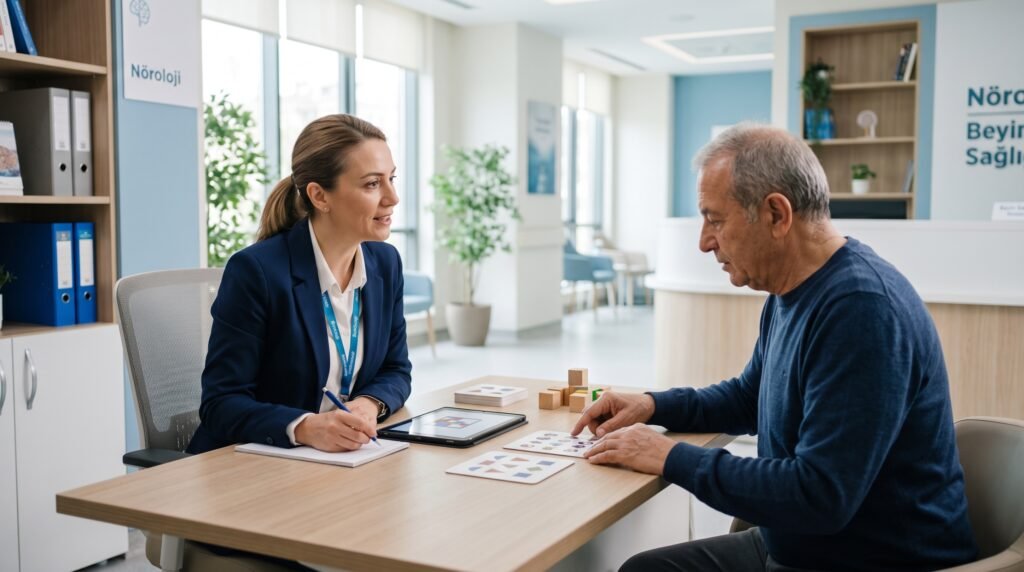
Neuroplasticity is the brain's ability to reorganize itself by forming new connections between its cells. The brain is made up of billions of nerve cells connected in networks, and these connections are not fixed: they can strengthen, weaken, or form anew in response to experience, learning, and the demands placed on the brain. This adaptability allows the brain to learn new skills, store memories, and, importantly, to adapt after injury or in response to changing circumstances. Neuroplasticity continues throughout life, which is a key insight in modern brain science.
Orista is a health tourism facilitator that connects international patients with contracted hospitals and physicians in Turkey. This page explains what neuroplasticity is and how it relates to brain health and recovery, so you can understand this important concept and discuss its relevance with a qualified specialist.
How the Brain Adapts
The idea behind neuroplasticity is that the brain shapes itself through use. When a skill is practiced or an activity repeated, the connections involved tend to strengthen, while those that are not used may weaken. This is how learning happens, and it is also how the brain can sometimes adapt after injury, as other areas or networks take on functions or compensate for affected ones. The brain's structure is therefore influenced by what a person does, which is why targeted activity and rehabilitation can play a role in supporting the brain.
Why Neuroplasticity Matters for Recovery
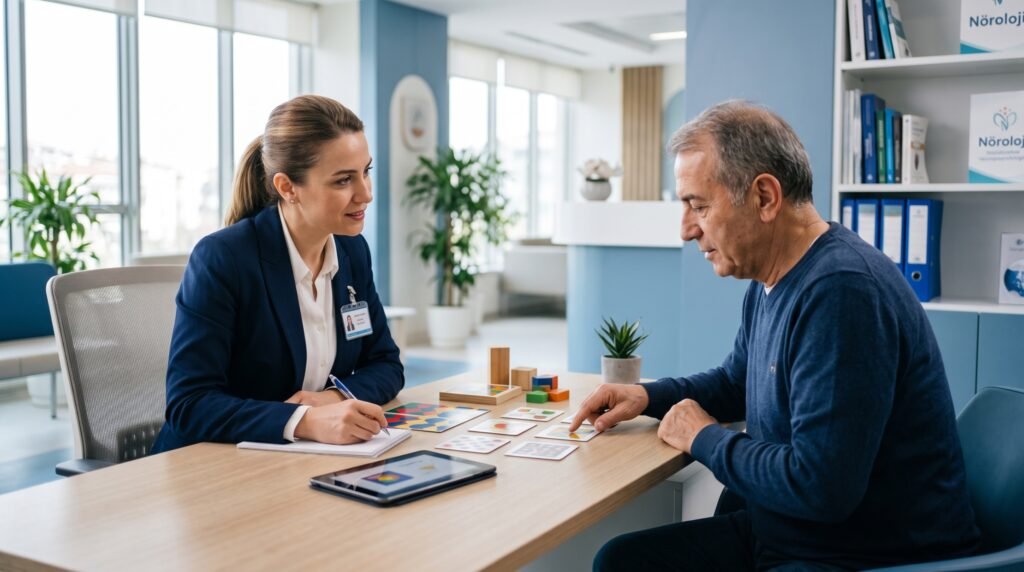
The relevance of neuroplasticity to recovery is significant. After a brain injury or a neurological condition, the brain's ability to adapt and form new connections is part of what makes recovery and rehabilitation possible. Rehabilitation approaches often aim to harness this capacity, using targeted, repeated activity to encourage the brain to adapt and support the recovery of function. This is why structured rehabilitation can help, and why the brain's plasticity is considered a basis for hope in recovery, while recognizing that the extent of recovery varies greatly between individuals.
Supporting Brain Health Through Adaptability
Beyond recovery, neuroplasticity is also relevant to maintaining brain health more generally. The idea that the brain continues to adapt throughout life suggests that staying mentally and physically active, learning new things, and engaging the brain may help support its health over time. Many brain-focused programs and approaches draw on this principle, aiming to keep the brain engaged and adaptable. The specific value of any approach should be understood realistically and discussed with specialists, but the underlying concept, that the brain can adapt, is an encouraging one.
How Brain-Focused Approaches Use This Principle
Many of the approaches within brain health draw on the principle of neuroplasticity in different ways.
- Rehabilitation after injury, using targeted activity to encourage adaptation
- Programs aimed at supporting cognitive function through engagement
- Approaches to healthy aging that keep the brain active and stimulated
- Support for recovery that builds on the brain's capacity to change
In each case, the aim is to work with the brain's natural adaptability, and what is appropriate and realistic for an individual is determined by specialists based on assessment.
A Realistic Understanding
While neuroplasticity is a genuine and important property of the brain, it is worth holding a realistic understanding of it. The brain's ability to adapt does not mean that any condition can be reversed or that recovery is guaranteed, as the extent of adaptation varies greatly and depends on many factors. Neuroplasticity is a basis on which rehabilitation and supportive approaches build, not a promise of specific outcomes. A responsible approach uses this principle thoughtfully and honestly, which the specialists explain in the context of an individual's situation.
Discussing Neuroplasticity With a Specialist
Because neuroplasticity underpins so much of brain rehabilitation and health, understanding its relevance to a particular situation is best done with a specialist. Whether in the context of recovery after an injury, support for cognitive function, or healthy aging, a specialist can explain how the brain's adaptability applies, what approaches build on it, and what is realistic for the individual. For international patients, an initial discussion can often begin remotely through medical information, with assessment during the visit, where relevant to a specific condition or program.
Brain Health Care in Turkey
Turkey is a destination for a wide range of medical care, supported by contracted hospitals in Istanbul and other cities with modern facilities and experienced specialists, including in rehabilitation and brain health. For international patients, combining care with organized travel, accommodation, and support services makes the experience easier to manage, allowing attention to stay on the person's care and wellbeing.
How Orista Supports You
As a facilitator, Orista coordinates the steps around your care. Your medical information can be reviewed by the medical team before you travel, you are matched with suitable specialists and a hospital, and a dedicated representative stays in contact throughout. Transfers, accommodation, translation, and support can be arranged so your attention stays on your health and wellbeing.
GOOD TO KNOW
Frequently Asked Questions
What is neuroplasticity?+
It is the brain's ability to reorganize itself by forming new connections between its cells. These connections can strengthen, weaken, or form anew in response to experience and learning, allowing the brain to adapt throughout life.
Why does it matter for recovery?+
After a brain injury or condition, the brain's ability to adapt and form new connections is part of what makes recovery and rehabilitation possible. Rehabilitation often aims to harness this capacity through targeted, repeated activity.
Can neuroplasticity reverse any condition?+
No. The brain's adaptability does not mean any condition can be reversed or that recovery is guaranteed. The extent of adaptation varies greatly. Neuroplasticity is a basis for rehabilitation, not a promise of specific outcomes.
How do brain programs use neuroplasticity?+
Many draw on it through rehabilitation after injury, programs supporting cognitive function, approaches to healthy aging, and recovery support, all aiming to work with the brain's natural adaptability, as assessed by specialists.
How can I understand its relevance to my situation?+
Best with a specialist, who can explain how the brain's adaptability applies to your situation, what approaches build on it, and what is realistic. An initial discussion can often begin remotely, with assessment during a visit.
This content is for general informational purposes only and does not constitute medical advice, diagnosis, or treatment. Neuroplasticity is a basis on which rehabilitation and supportive approaches build, not a promise of specific outcomes, and the extent of adaptation varies between individuals. Please consult a qualified specialist for assessment and personalized guidance regarding a specific condition.