
EYE DISEASES
Corneal Diseases
The cornea is the clear, dome-shaped window at the front of the eye, and its transparency and shape are essential to clear sight. When disease or injury affects it, vision can blur or distort, and in some cases the cornea can lose its clarity altogether. Corneal care covers the diagnosis and treatment of these conditions, which range from changes in the cornea's shape to clouding that may ultimately be treated with a transplant. Understanding the cornea's role helps explain why its conditions matter so much to vision.
What the Cornea Is and Does
The cornea is the transparent front layer of the eye, covering the iris and pupil. It has two main roles: it lets light into the eye, and, being curved, it does much of the focusing that brings images into sharp view, working with the lens behind it. For the cornea to do this well, it must stay clear and keep its smooth, regular shape. When its transparency or shape is disturbed by disease or injury, light is not focused properly, and vision suffers. This is why the health of the cornea is so closely tied to clear sight.
Orista is a health tourism facilitator that connects international patients with contracted hospitals and physicians in Turkey. This page explains what corneal conditions involve, how they are assessed, and how they may be treated, so you can plan the right approach together with a qualified eye specialist.
Conditions That Affect the Cornea
A range of conditions can affect the cornea, differing in cause and effect, and the following are examples.
- Keratoconus, where the cornea gradually thins and bulges into an irregular, cone-like shape
- Clouding or scarring of the cornea that reduces its clarity
- Infections and inflammation affecting the cornea
- Injury or damage to the corneal surface
- Conditions affecting the inner layers of the cornea
Each condition is assessed individually, and the specialist explains its nature and the treatment, if any, that is needed.
Keratoconus, a Common Corneal Condition
One corneal condition worth describing is keratoconus, in which the cornea gradually becomes thinner and bulges forward into a cone shape, distorting vision. It often begins in younger people and can progress over time. Its treatment depends on the stage: in earlier stages, methods aimed at strengthening the cornea or special lenses may help, while more advanced cases may need other treatment. Keratoconus is a good example of how a specific corneal condition has its own course and its own approaches, which the specialist explains when relevant to a patient.
Corneal Transplant for Advanced Conditions
When a corneal condition has advanced to the point where the cornea has lost its clarity or shape and vision cannot be restored otherwise, a corneal transplant may be considered. This involves replacing the affected part of the cornea with healthy donor tissue, and modern techniques allow, in many cases, only the affected layers to be replaced rather than the whole cornea. A transplant is a significant procedure reserved for conditions where it is the appropriate course, and the specialist explains what it involves and what is realistic when it is relevant to a patient's situation.
How Corneal Conditions Are Assessed
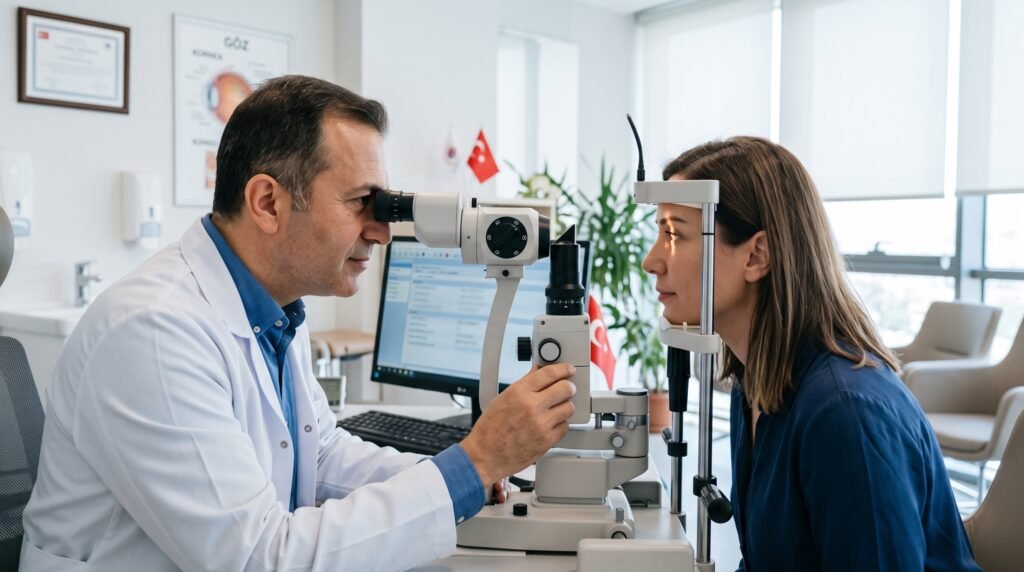
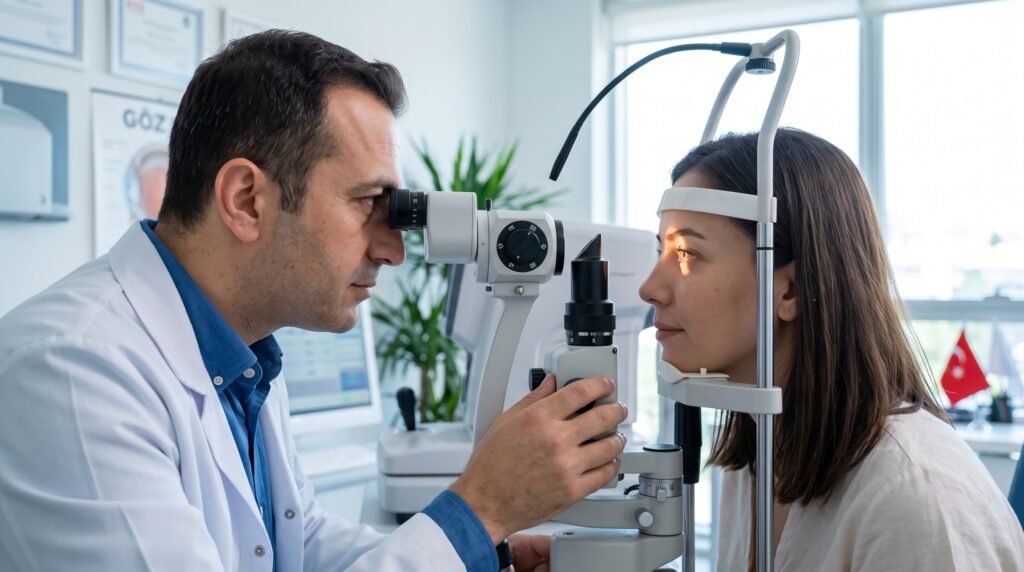
Assessing the cornea involves examining its clarity, shape, and layers in detail. The specialist examines the front of the eye and uses specialized imaging, such as detailed mapping of the cornea's surface and thickness, which is particularly important for conditions like keratoconus. These investigations reveal the nature and extent of the condition and how it affects vision, guiding the decision on treatment. Because corneal conditions vary so much, this careful assessment is the foundation of choosing the right approach for the individual.
How Corneal Conditions Are Treated
Treatment depends entirely on the specific condition. Some are managed with medication, such as drops for infection or inflammation, others with special lenses or methods to strengthen or reshape the cornea, and advanced conditions may need a corneal transplant. The approach is always tailored to the condition and its stage, and the specialist explains what is recommended and why. Early assessment matters, since some conditions are easier to manage before they advance, which the specialist takes into account when advising on treatment and timing.
The Consultation and Planning
Care begins with a thorough eye examination focused on the cornea. The specialist examines the front of the eye, uses detailed corneal imaging, discusses the symptoms and findings, and explains the condition and the treatment options, including what each involves. For international patients, an initial discussion can often begin remotely through medical information and any corneal scans, with detailed examination and planning during the visit. The specialist advises on the appropriate approach and timing for the individual condition.
Corneal Care in Turkey
Turkey is a frequent destination for eye care, supported by contracted hospitals in Istanbul and other cities with modern facilities and experienced specialists, including in corneal conditions. For international patients, combining care with organized travel, accommodation, and support services makes the experience easier to manage, allowing attention to stay on the care and recovery.
How Orista Supports You
As a facilitator, Orista coordinates the steps around your care. Your medical information and any eye scans can be reviewed by the medical team before you travel, you are matched with a suitable eye specialist and hospital, and a dedicated representative stays in contact throughout. Transfers, accommodation, translation, and aftercare support can be arranged so your attention stays on your eyes.
GOOD TO KNOW
Frequently Asked Questions
What does the cornea do?+
It is the clear front layer of the eye that lets light in and, being curved, does much of the focusing. It must stay clear and keep its smooth shape for sharp vision, so disease or injury to it affects sight.
What is keratoconus?+
It is a condition in which the cornea gradually thins and bulges into a cone shape, distorting vision. It often begins in younger people and can progress. Treatment depends on the stage, from strengthening methods and special lenses to other approaches.
When is a corneal transplant needed?+
When a corneal condition has advanced so that the cornea has lost clarity or shape and vision cannot be restored otherwise. Modern techniques often allow only the affected layers to be replaced. The specialist explains when it is relevant.
How are corneal conditions assessed?+
The specialist examines the front of the eye and uses detailed imaging that maps the cornea's surface and thickness, which is particularly important for conditions like keratoconus, to reveal the nature and extent of the condition.
Why does early assessment matter?+
Some corneal conditions are easier to manage before they advance, so early assessment can affect the options available. The specialist advises on the appropriate treatment and timing for the individual condition.
This content is for general informational purposes only and does not constitute medical advice, diagnosis, or treatment. Suitability, methods, and outcomes differ from person to person. If you have a painful red eye, sudden change in vision, or an eye injury, seek prompt eye care. Please consult a qualified eye specialist for an examination and personalized guidance regarding a corneal condition.