
DENTAL TREATMENTS
Orthodontics (Braces Treatment)
Crowded, crooked, or poorly aligned teeth are common, and they affect more than appearance. Teeth that do not fit together well can be harder to clean and can affect the bite, while a misaligned smile can influence confidence. Orthodontics is the branch of dentistry that corrects the position and alignment of the teeth and jaws, most familiarly with braces, but today also with clear, removable aligners. Understanding how orthodontic treatment works, and the options available, helps patients consider straightening their teeth for both health and appearance.
What Orthodontics Is
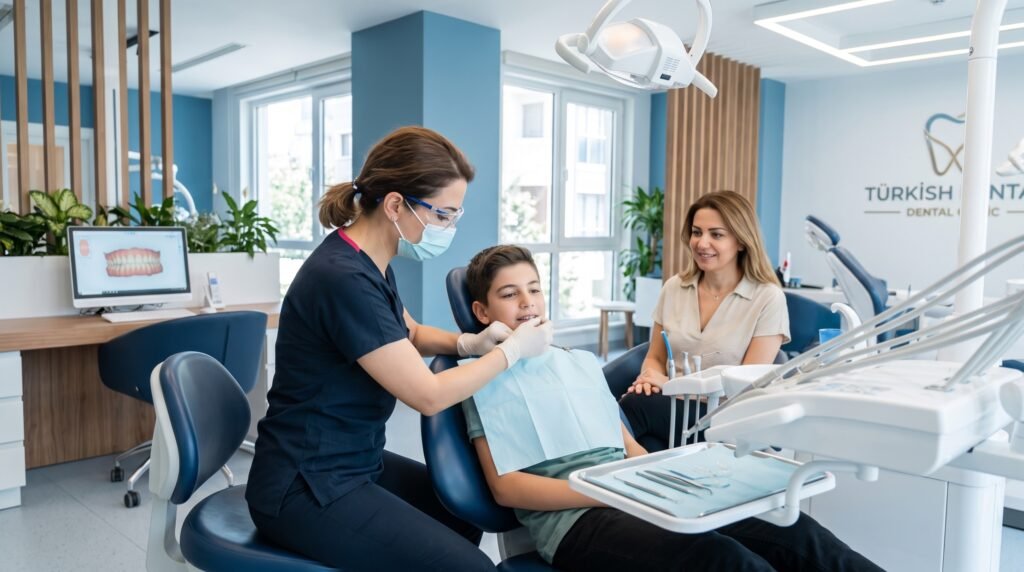
Orthodontics is the area of dentistry concerned with correcting the alignment of the teeth and the way the upper and lower teeth meet, known as the bite. It addresses issues such as crowded or crooked teeth, gaps, and bite problems where the teeth do not come together properly. By gradually moving the teeth into better positions, orthodontic treatment improves both how the teeth function and how the smile looks. It is carried out by orthodontists or dentists with the relevant training, using appliances that apply gentle, steady pressure to move the teeth over time.
Orista is a health tourism facilitator that connects international patients with contracted clinics and dentists in Turkey. This page explains what orthodontic treatment involves, the options available, and what to consider, so you can plan the right approach together with a qualified orthodontist.
Why Alignment Matters for Health as Well as Looks
A point worth understanding is that straightening teeth is not only cosmetic. Teeth that are crowded or misaligned can be harder to clean thoroughly, which can make them more prone to decay and gum problems, and a bite that does not meet well can place uneven strain on the teeth and jaw. Correcting alignment can therefore support oral health as well as improve appearance. This dual benefit, health and looks, is part of why orthodontic treatment is valued, and a good orthodontist considers both when planning.
The Main Types of Treatment
Orthodontic treatment can be carried out in different ways, and the options have grown beyond traditional braces.
- Traditional braces, using brackets and wires fixed to the teeth
- Tooth-colored or less visible braces, for a more discreet appearance
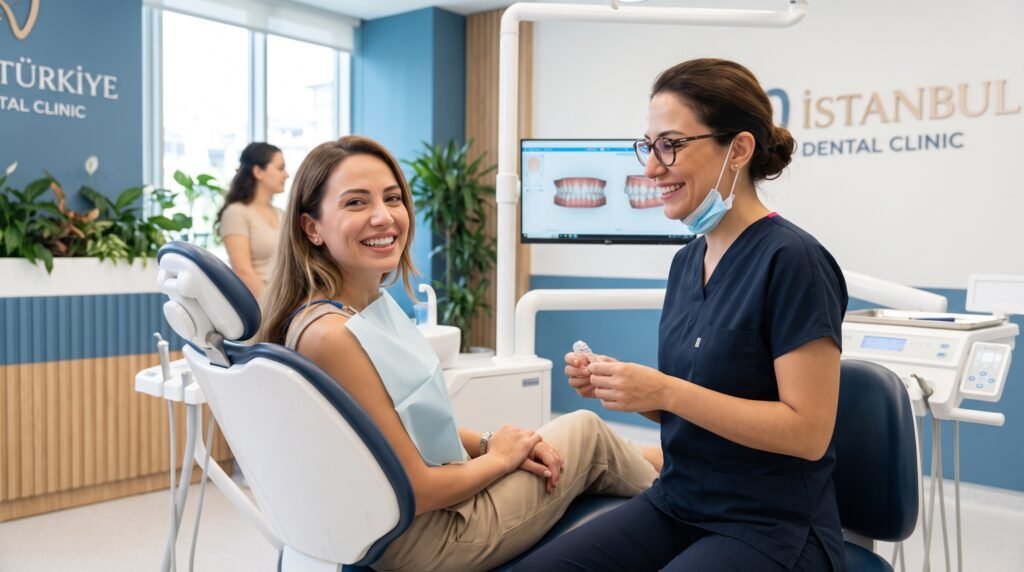
- Clear, removable aligners, a series of transparent trays that move the teeth gradually
- Other appliances the orthodontist may use depending on the case
Each approach has its place, and the right one depends on the nature of the problem, the person's preferences, and the orthodontist's assessment.
Braces and Clear Aligners Compared
A common question is the difference between fixed braces and clear aligners. Fixed braces are attached to the teeth and work continuously, and they can address a wide range of problems, including more complex ones. Clear aligners are removable, transparent trays that are changed in sequence, valued for being discreet and removable for eating and cleaning, and they suit many cases, though not all. Neither is simply better; the choice depends on what needs correcting and the person's preferences. The orthodontist advises which option suits the individual case.
How Treatment Works and the Timeframe
Orthodontic treatment works by applying gentle, continuous pressure that gradually moves the teeth into their new positions, and this naturally takes time. Treatment commonly lasts many months to a few years, depending on the complexity of the case and the approach used. Regular adjustments or changes of aligner are part of the process. This extended timeframe is an important consideration, particularly for international patients, since orthodontic treatment usually cannot be completed in a single short visit and needs planning, which the orthodontist discusses.
A Note on Planning for International Patients
Because orthodontic treatment takes place over an extended period with regular check-ups, it needs careful planning for patients traveling from abroad. Some arrangements may involve stages, periodic visits, or coordination with care closer to home for parts of the process. Clear aligner treatment, where trays are changed at intervals, can sometimes be managed with fewer in-person visits, but still needs oversight. The orthodontist and support team advise on how treatment can realistically be arranged for an international patient, taking the timeframe into account.
Who Can Have Orthodontic Treatment?
Orthodontic treatment can be carried out at a wide range of ages. It is common in children and teenagers, whose growth can be used to advantage, but adults can also have their teeth straightened, and increasing numbers do. Suitability depends on the health of the teeth and gums, the nature of the alignment problem, and the individual. A healthy mouth is important before starting, since any decay or gum problems are usually addressed first. The orthodontist assesses suitability and advises on the right approach and timing.
The Consultation and Planning
Care begins with a consultation and assessment. The orthodontist examines the teeth and bite, often with X-rays and scans, discusses what the person would like to improve, explains the options and the likely timeframe, and checks that the mouth is healthy enough to begin. For international patients, an initial discussion can often begin remotely through records, with detailed examination and planning during the visit, and the orthodontist advises on how the treatment and its timeframe can be arranged.
Orthodontic Care in Turkey
Turkey is a frequent destination for dental care, supported by contracted clinics in Istanbul and other cities with modern facilities and experienced practitioners. For international patients considering orthodontic treatment, combining care with organized travel, accommodation, and support services makes the experience easier to manage, while the extended timeframe means careful planning of how treatment is arranged is especially important.
How Orista Supports You
As a facilitator, Orista coordinates the steps around your dental care. Your information and any dental records can be reviewed by the medical team before you travel, you are matched with a suitable clinic and practitioner, and a dedicated representative stays in contact throughout. Transfers, accommodation, translation, and support can be arranged so your attention stays on your treatment.
GOOD TO KNOW
Frequently Asked Questions
Is straightening teeth only about appearance?+
No. Crowded or misaligned teeth can be harder to clean and more prone to decay and gum problems, and a poor bite can strain the teeth and jaw. Correcting alignment supports oral health as well as improving appearance.
What is the difference between braces and clear aligners?+
Fixed braces are attached to the teeth, work continuously, and can address a wide range of problems including complex ones. Clear aligners are removable, transparent trays changed in sequence, valued for being discreet, suiting many but not all cases. The orthodontist advises which suits you.
How long does treatment take?+
It commonly lasts many months to a few years, depending on the complexity and the approach, since the teeth move gradually under gentle pressure. This timeframe needs planning, especially for international patients.
Can adults have orthodontic treatment?+
Yes. While common in children and teenagers, adults can also have their teeth straightened, and increasing numbers do. Suitability depends on the health of the teeth and gums and the nature of the problem, which the orthodontist assesses.
How does treatment work for international patients?+
Because treatment takes place over an extended period with check-ups, it needs careful planning, which may involve stages or periodic visits. Clear aligners can sometimes mean fewer in-person visits. The orthodontist advises on arrangements.
This content is for general informational purposes only and does not constitute medical or dental advice, diagnosis, or treatment. Suitability, methods, and outcomes differ from person to person. Please consult a qualified orthodontist or dentist for an examination and personalized guidance before making any decision about orthodontic treatment.