
EYE DISEASES
No Touch Smart Laser
For people who want laser vision correction without any instrument touching the eye, no touch smart laser offers exactly that. It is a surface laser technique in which the entire treatment is carried out by the laser alone, with no blade and no need to create a flap in the cornea. This gentle, contactless approach appeals to those who prefer the least mechanical intervention and can suit eyes that are not ideal for other laser methods. Understanding how it differs from other techniques helps clarify where it fits.
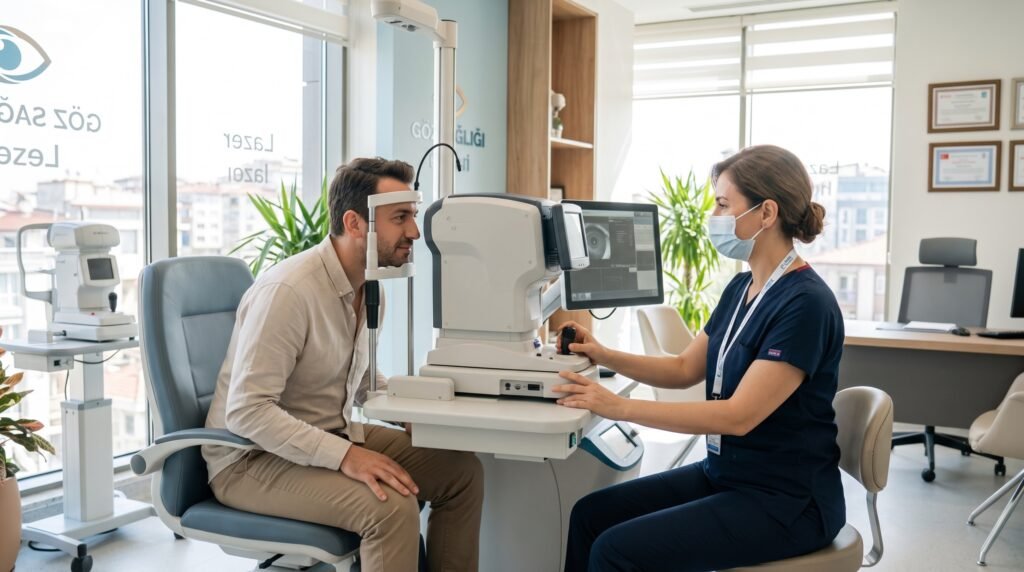
What No Touch Smart Laser Is
No touch smart laser is a form of laser vision correction that reshapes the surface of the cornea to correct refractive errors such as short-sightedness, long-sightedness, and astigmatism. Its defining feature is that the whole procedure is performed by the laser without any instrument touching the eye, and without creating a corneal flap. The laser gently removes the thin surface layer and reshapes the cornea in a single, contactless process. Because nothing mechanical touches the eye, it is considered one of the gentlest approaches to laser correction.
Orista is a health tourism facilitator that connects international patients with contracted hospitals and physicians in Turkey. This page explains what no touch smart laser involves, who it suits, and what to expect, so you can plan the right approach together with a qualified eye specialist.
The Contactless, No-Flap Approach
What sets this method apart is captured in its name. In some laser techniques, a flap is created in the cornea, or an instrument is used on the surface, before the reshaping laser is applied. No touch smart laser avoids both: there is no flap, and no blade or instrument contacts the eye. Instead, the laser itself does everything, gently treating the surface. This appeals to people who feel uneasy about anything touching the eye and can be suitable for those whose corneas are better treated without a flap, which the specialist assesses.
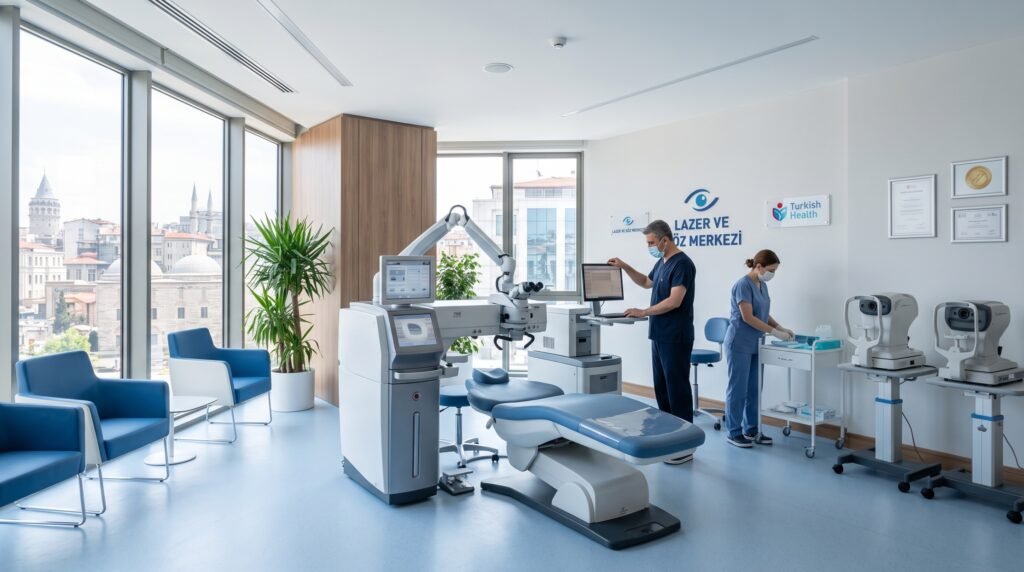
How It Compares With LASIK and Lens Procedures
It helps to place this technique alongside others. LASIK creates a thin flap in the cornea before reshaping it with the laser, which allows a very quick recovery of vision but involves the flap. No touch smart laser works on the surface without a flap, which some consider gentler, though the surface takes a little longer to heal. Smart lens treatment, by contrast, replaces the eye's lens rather than reshaping the cornea, suiting different patients. Neither is simply better, and the specialist recommends the method that fits the person's eyes, prescription, and preferences.
Who Is a Suitable Candidate?
No touch smart laser is generally considered for adults with a stable prescription who want laser vision correction, particularly those who prefer a contactless, no-flap approach, or whose corneas are better suited to surface treatment. Suitability depends on a detailed examination, including the thickness and shape of the cornea and the health of the eye. Not everyone is a candidate, and the specialist determines whether this method, another laser technique, or a lens procedure is the most appropriate, explaining what is realistic.
How the Procedure Is Performed
The procedure is carried out by an eye surgeon, with the eye numbed using drops so the patient stays awake and comfortable. The patient looks at a target while the laser gently treats the surface of the cornea, removing the thin outer layer and reshaping the cornea in one contactless process. The laser part is typically very short, often a matter of minutes per eye. A protective contact lens is usually placed afterward to aid healing of the surface. The specialist explains each step beforehand so the patient knows what to expect.
Recovery and What to Expect
Because no touch smart laser treats the surface of the cornea, the surface needs a little time to heal, so the recovery of vision is more gradual than with a flap-based method. In the first days, the eye may feel sensitive, watery, or uncomfortable while the surface heals, and vision improves over the following days and weeks as it settles. A protective lens and eye drops support healing. The specialist gives clear aftercare guidance and arranges follow-up. Because international patients travel home, planning the timing and follow-up around this healing period is important.
Risks and Considerations
As an eye procedure, no touch smart laser carries considerations that should be understood in advance. These include the general considerations of laser vision correction and those specific to surface treatment, such as the more gradual visual recovery and the early discomfort while the surface heals, which the specialist explains so expectations are realistic. As with any such treatment, the outcome depends on the individual eye and careful assessment. An honest discussion of the benefits, the recovery, and the risks is an essential part of the consultation.
No Touch Smart Laser in Turkey
Turkey is a frequent destination for laser eye care, supported by contracted hospitals in Istanbul and other cities with modern facilities and experienced specialists. For international patients, combining treatment with organized travel, accommodation, and aftercare support makes the experience easier to manage, while the gradual healing of the surface means planning the timing of the visit and follow-up matters too.
How Orista Supports You
As a facilitator, Orista coordinates the steps around your care. Your medical information can be reviewed by the medical team before you travel, you are matched with a suitable eye specialist and hospital, and a dedicated representative stays in contact throughout. Transfers, accommodation, translation, and aftercare support can be arranged so your attention stays on your eyes and recovery.
GOOD TO KNOW
Frequently Asked Questions
What makes it no touch?+
The whole procedure is performed by the laser without any instrument touching the eye and without creating a corneal flap. The laser gently treats the surface, which is why it is considered one of the gentlest laser approaches.
How does it differ from LASIK?+
LASIK creates a thin flap in the cornea before reshaping it, allowing very quick visual recovery, while no touch smart laser works on the surface without a flap, which some consider gentler but with a slightly longer healing of the surface. The specialist advises which suits you.
Is the recovery longer than LASIK?+
The surface needs a little time to heal, so visual recovery is more gradual than with a flap-based method. The eye may feel sensitive for the first days, with vision improving over the following days and weeks.
Who is it suitable for?+
It is generally considered for adults with a stable prescription who prefer a contactless, no-flap approach or whose corneas suit surface treatment. Suitability depends on a detailed examination, which the specialist carries out.
Does it hurt?+
The eye is numbed with drops during the procedure. Some sensitivity or discomfort is usual in the first days while the surface heals, supported by a protective lens and eye drops. The specialist explains what to expect.
This content is for general informational purposes only and does not constitute medical advice, diagnosis, or treatment. Suitability, methods, and outcomes differ from person to person, and all procedures carry risks. Please consult a qualified eye specialist for an examination and personalized guidance before making any decision about laser vision correction.