
PLASTIC SURGERY
Otoplasty
Ears that stand out more than usual can draw attention and, for some people, affect confidence from childhood onward. Otoplasty, the surgical reshaping of the ears, addresses this by repositioning or reshaping the ear so it sits in a more natural relationship with the head. It is a well-established procedure that can be carried out on both adults and children, and because it changes the cartilage structure, the result is lasting.

What Otoplasty Is
Otoplasty is an operation that changes the shape, position, or proportion of the ear. It is most often used to set prominent ears closer to the head, but it can also reshape folds of the ear cartilage that did not form fully, or address asymmetry between the two ears. The surgeon works on the cartilage that gives the ear its shape, adjusting it so the ear looks more balanced. The operation is carried out under anesthesia, and the exact plan depends on the individual ear.
Orista is a health tourism facilitator that connects international patients with contracted hospitals and surgeons in Turkey. This page explains what otoplasty involves, who it can help, and what recovery is like, so you can make an informed decision together with a qualified surgeon.
What It Can Address
Otoplasty is a flexible procedure that can be tailored to different concerns of the outer ear.
- Prominent ears that project further from the head than usual
- An underdeveloped fold in the ear cartilage
- Asymmetry between the two ears
- Reshaping after a previous procedure or an ear concern, as assessed by the surgeon
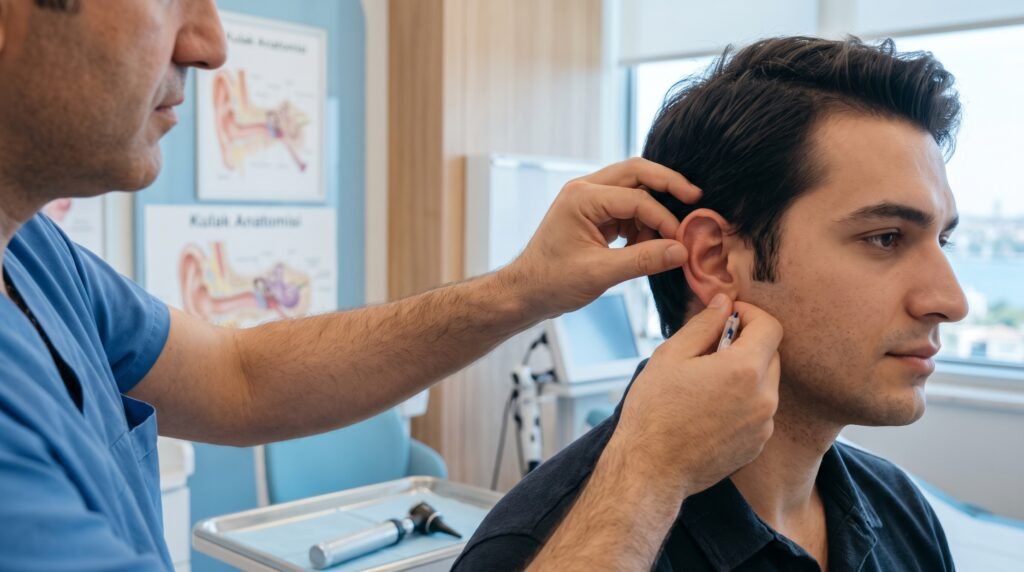
A Procedure for Both Children and Adults
One feature that sets otoplasty apart is that it is commonly considered for children as well as adults. Because the ears reach most of their size early in life, surgeons often consider the procedure once the ears are sufficiently developed, frequently around school age, which can help a child before prominent ears become a source of self-consciousness. Adults choose it at any age. The suitability and timing for a child are matters for careful discussion with the surgeon, who will advise on what is appropriate.
The Consultation and Planning
A consultation begins the process. The surgeon examines the ears, assesses their shape and position, reviews the medical history, and discusses the desired outcome. For a child, the conversation includes the family and considers the child's readiness. For international patients, the assessment often begins remotely with photographs and information and is confirmed in person before surgery. This stage is the time to understand the technique, the recovery, and what result is realistic.
How the Operation Is Performed
The approach depends on the patient and the concern. Otoplasty is commonly carried out under local anesthesia with sedation for adults, while general anesthesia is often used for children. The surgeon usually makes an incision behind the ear, in the natural crease, where any scar is well hidden. Through this access, the cartilage is reshaped, folded, or repositioned and secured so the ear sits in its new position. The incision is then closed. The operation generally takes a couple of hours depending on the work involved.
Who Is a Suitable Candidate?
Otoplasty is generally considered for children whose ears are sufficiently developed and for adults in good general health, in both cases with realistic expectations. For adults, the usual considerations for surgery apply, including good health and not smoking around the time of the operation to support healing. A full assessment by the surgeon is the only reliable way to confirm suitability and timing, particularly for a child.
Recovery After Otoplasty
Recovery is generally straightforward but requires care to protect the ears while they settle. A dressing or supportive headband is usually worn at first to hold the ears in their new position.
- A supportive dressing or headband is typically worn for a period, including at night as advised
- Some swelling, bruising, tenderness, or numbness is common early on and settles over time
- Activities that could knock the ears are avoided for the advised period
- Most people return to daily routines within one to two weeks, following the surgeon's guidance
Risks and Considerations
As a surgical procedure, otoplasty carries risks that should be understood in advance. These include the general risks of surgery and anesthesia, bleeding, infection, and scarring behind the ear, as well as considerations such as asymmetry, a change in position over time, or a result that does not fully match expectations. The scar is usually hidden in the crease behind the ear. An honest discussion of the risks and realistic outcomes is part of the consultation, and no responsible surgeon guarantees a specific result.
Otoplasty in Turkey
Turkey is a frequent destination for plastic surgery, supported by contracted hospitals in Istanbul and other cities with modern operating facilities and experienced surgeons. For international patients, and families traveling with a child, combining surgery with organized travel, accommodation, and aftercare support makes the overall experience easier to manage.
How Orista Supports You
As a facilitator, Orista coordinates the steps around your surgery. Your information and photographs can be reviewed by the medical team before you travel, you are matched with a suitable surgeon and hospital, and a dedicated representative stays in contact throughout. Transfers, accommodation, translation, and aftercare support can be arranged so your attention stays on recovery.
GOOD TO KNOW
Frequently Asked Questions
Can otoplasty be done on children?+
Yes. Because the ears develop early in life, surgeons often consider the procedure once the ears are sufficiently developed, frequently around school age. The suitability and timing for a child are discussed carefully with the surgeon.
Where is the scar?+
The incision is usually made behind the ear, in the natural crease, so any scar is well hidden. The surgeon will explain what to expect for your case.
Is the result permanent?+
Because the procedure reshapes the cartilage, the result is intended to be lasting. The surgeon will discuss what to expect over time and the importance of following aftercare.
How long is the recovery?+
A supportive dressing or headband is worn at first, and most people return to daily routines within one to two weeks, avoiding activities that could knock the ears for longer, as advised.
What type of anesthesia is used?+
It is commonly local anesthesia with sedation for adults and general anesthesia for children, though the surgeon decides based on the case.
This content is for general informational purposes only and does not constitute medical advice, diagnosis, or treatment. Suitability, methods, and outcomes differ from person to person, and all surgery carries risks. Please consult a qualified surgeon or specialist for an assessment and personalized guidance before making any decision about an otoplasty procedure.