
PEDIATRICS
Pediatric Oncology
Few things are harder for a family than a child's cancer diagnosis. It is a frightening and overwhelming time, and the care a child receives must be as expert as it is compassionate. Pediatric oncology is the field devoted to the diagnosis and treatment of cancer in children, delivered by teams who specialize in the particular needs of young patients. Childhood cancers differ from those in adults, and treating them calls for specialized knowledge, dedicated facilities, and care for the whole child and family.
What Pediatric Oncology Is
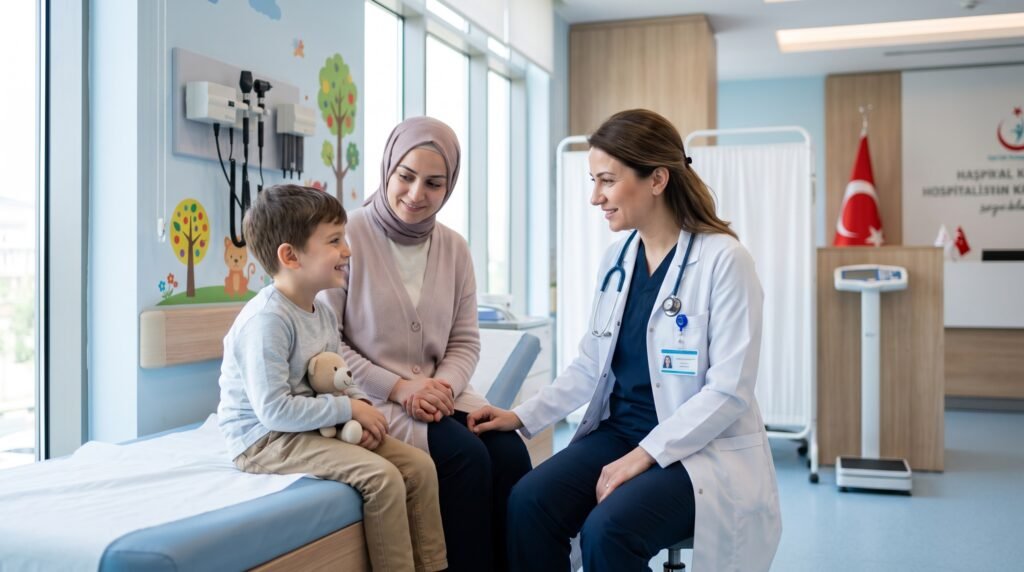
Pediatric oncology is the branch of medicine concerned with cancers that affect infants, children, and adolescents. A pediatric oncologist diagnoses these conditions, plans and oversees treatment, and coordinates the many aspects of a child's care. The field is distinct from adult oncology because childhood cancers are different in their types and behavior, and because treatment must take account of a growing body and the particular needs of a young patient. Care is delivered by specialized teams in centers equipped for this work.
Orista is a health tourism facilitator that connects international families with contracted hospitals and physicians in Turkey. This page provides general information about pediatric oncology care and how it is arranged, so you can discuss your child's situation with a qualified specialist. It is written with care, and a specialist is always the right source for guidance about a specific child.
How Childhood Cancers Differ
It helps families to understand that cancers in children are not the same as those in adults. The types that affect children differ, and they can behave and respond to treatment differently. Because of this, childhood cancers are treated by specialists trained specifically in them, using approaches developed for young patients. The treatment also has to consider the child's growth and development, both during and after therapy. This is why specialized pediatric oncology care, rather than general cancer care, is so important for a child.
A Multidisciplinary Team
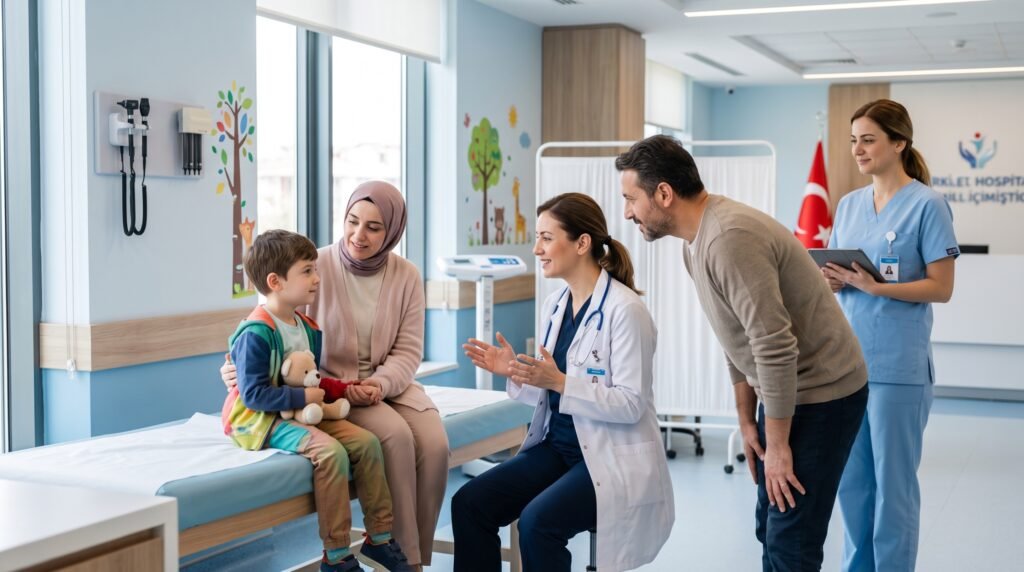
Caring for a child with cancer is the work of a whole team rather than a single doctor. A pediatric oncologist works alongside surgeons, radiologists, pathologists, specialized nurses, and other professionals, and often with supportive services for the child and family. Together they assess the condition and plan treatment, which may involve different approaches used alone or in combination depending on the type of cancer. This coordinated, multidisciplinary approach is central to pediatric oncology and ensures the child is cared for by the right experts at each stage.
Approaches to Treatment
Treatment is always planned individually, based on the specific diagnosis and the child, and it may draw on several approaches.
- Medical treatment overseen by the oncology team
- Surgery, where an operation is part of the plan
- Other treatments the specialists consider appropriate for the condition
- Supportive care to help the child through treatment
The oncologist explains the proposed plan to the family in full, including what it involves and what to expect, and no two children's plans are the same.
Caring for the Whole Child and Family
Pediatric oncology is not only about treating the disease. It also attends to the wellbeing of the child and the family through what is a very difficult time, with support that can include help managing the effects of treatment, attention to the child's comfort and development, and support for parents. This whole-child, whole-family approach is a defining feature of good pediatric cancer care and is especially important for families who are far from home during treatment.
The Consultation and Planning
Care begins with a careful and compassionate assessment. The team reviews the child's medical information, reports, and any previous results, examines the child, and discusses the diagnosis and the proposed plan with the family, including the treatment and the support available. For international families, this often begins remotely through the child's medical information and reports, so the right team can be identified and a plan discussed. A specialist is always the right person to explain what a particular diagnosis and plan mean for a child.
Pediatric Oncology Care in Turkey
Turkey is a destination for a wide range of medical care, supported by contracted hospitals in Istanbul and other cities with specialized facilities and teams experienced in children's cancer care. For families traveling with a child, combining care with organized travel, family accommodation, and support services helps ease the practical burden during a demanding time, allowing attention to stay on the child.
How Orista Supports Your Family
As a facilitator, Orista coordinates the steps around your child's care with sensitivity. Your child's medical information and reports can be reviewed by the medical team before you travel, you are matched with a suitable center and oncology team, and a dedicated representative stays in contact throughout. Transfers, family accommodation, translation, and ongoing support can be arranged so your attention stays on your child.
GOOD TO KNOW
Frequently Asked Questions
Why do children with cancer need specialized care?+
Childhood cancers differ from adult cancers in their types and behavior, and treatment must account for a growing body. Specialized pediatric oncology teams are trained specifically for these conditions and the needs of young patients.
Who will be involved in my child's care?+
Care is delivered by a multidisciplinary team that can include oncologists, surgeons, radiologists, pathologists, specialized nurses, and supportive services, working together to plan and deliver treatment.
How is the treatment decided?+
Treatment is planned individually based on the specific diagnosis and the child, and may combine several approaches. The oncologist explains the proposed plan to the family in full. A specialist is the right source for guidance about a particular child.
Is support available for the family?+
Yes. Pediatric oncology attends to the whole child and family, and family accommodation, translation, and a dedicated representative can be arranged, which is especially important during this demanding time.
How do we start as an international family?+
The assessment often begins remotely through your child's medical information and reports, so the right team can be identified and a plan discussed before or during your visit.
This content is for general informational purposes only and does not constitute medical advice, diagnosis, or treatment. Every child's situation is different, and outcomes vary. A cancer diagnosis in a child is a serious matter, and a qualified pediatric oncologist is always the right source for guidance. Please consult a specialist for an assessment and personalized guidance regarding your child's condition.