
MEDICAL BRANCHES
Orthopedics and Traumatology
The bones, joints, muscles, and the tissues that connect them give the body its structure and allow it to move, and when they are injured or affected by a condition, movement and daily life can be disrupted. Orthopedics and traumatology is the field devoted to the musculoskeletal system, covering conditions and injuries of the bones, joints, and surrounding structures. It ranges from treating fractures and sports injuries to managing joint conditions and carrying out joint replacement. Understanding what this field covers helps patients know when an orthopedic specialist can help restore movement and function.
What Orthopedics and Traumatology Is
Orthopedics is the branch of medicine and surgery concerned with the musculoskeletal system, the bones, joints, muscles, ligaments, and tendons that give the body structure and movement. Traumatology, closely linked and often part of the same field, deals specifically with injuries, such as fractures and other damage from accidents. Together, orthopedics and traumatology cover both the conditions that affect the musculoskeletal system over time and the injuries that happen to it, using both non-surgical treatment and surgery. The aim throughout is to restore and preserve movement, function, and quality of life.
Orista is a health tourism facilitator that connects international patients with contracted hospitals and surgeons in Turkey. This page explains what orthopedics and traumatology covers and how care is arranged, so you can plan the right approach together with a qualified specialist.
Two Sides: Conditions and Injuries
A helpful way to understand this field is to see its two closely related sides. One side is orthopedics in the sense of conditions affecting the musculoskeletal system, such as joint problems that develop over time, which may be managed medically or treated with surgery including joint replacement. The other side is traumatology, the treatment of injuries, such as broken bones and damage from accidents or sport, which need prompt and proper care to heal and recover well. Many specialists work across both, and the two sides together give the field its broad scope. Which applies depends on whether a person has a condition or an injury.
The Conditions and Injuries It Covers
Orthopedics and traumatology covers a wide range of problems affecting the musculoskeletal system, and the following are examples.
- Fractures and other injuries to the bones
- Sports injuries affecting joints, ligaments, or tendons
- Joint conditions, including those that develop with wear over time
- Joint replacement for severely affected joints
- Other conditions and injuries of the bones, joints, and surrounding structures
Each condition or injury is assessed individually, and the specialist explains what is involved for a particular situation.
Joint Replacement
One well-known area of orthopedics is joint replacement, a treatment for joints that have become severely affected, often by wear over time, to the point that they cause significant pain or limit movement. In this surgery, a damaged joint is replaced with an artificial one, with the aim of relieving pain and restoring movement and function. It is a well-established treatment that has helped many people return to more comfortable and active lives. Whether joint replacement is suitable depends on the individual and the state of the joint, assessed carefully by the specialist, who explains what it involves and the recovery.
Non-Surgical and Surgical Treatment
Orthopedics and traumatology combines non-surgical treatment with surgery, and not every problem needs an operation. Many conditions and injuries are managed without surgery, through measures such as immobilizing an injury to let it heal, medication, physical therapy and rehabilitation, and other approaches. When surgery is needed, it may range from repairing an injury to replacing a joint, often using modern techniques, including minimally invasive ones where suitable. The specialist determines which approach is right for a particular condition or injury, choosing the one best suited to restoring movement and function with the least necessary intervention.
The Importance of Rehabilitation
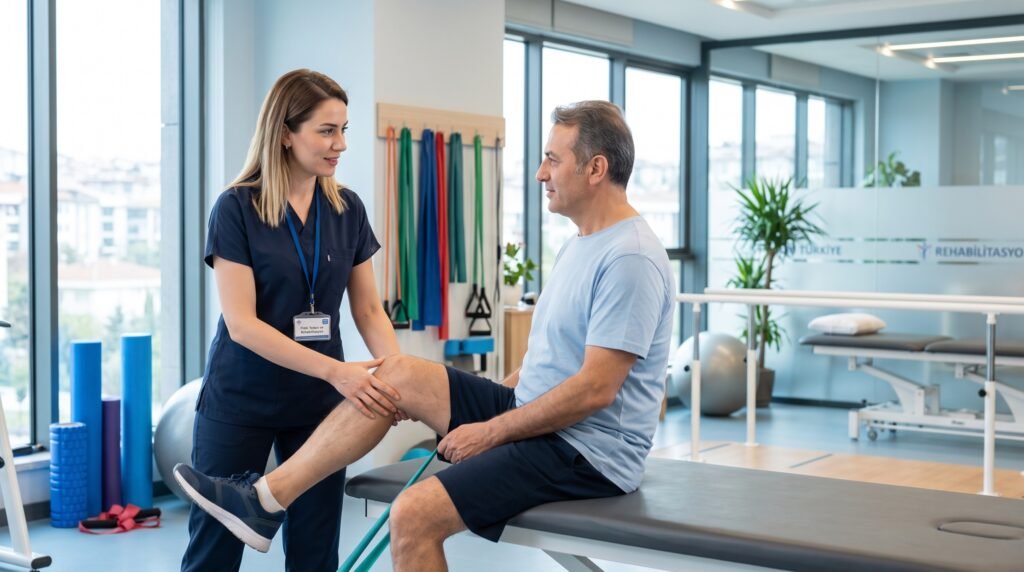
A principle that runs through this field is that treatment is often only part of recovery, with rehabilitation playing an important role in restoring movement and function. After an injury heals or a surgery is carried out, guided rehabilitation and physical therapy frequently help a person regain strength, movement, and the ability to return to daily activities. This is especially true after joint replacement or significant injury. Good recovery often depends not only on the treatment itself but on the rehabilitation that follows, and the specialist advises on this as part of the overall plan, which is important to understand when planning care.
The Consultation and Planning
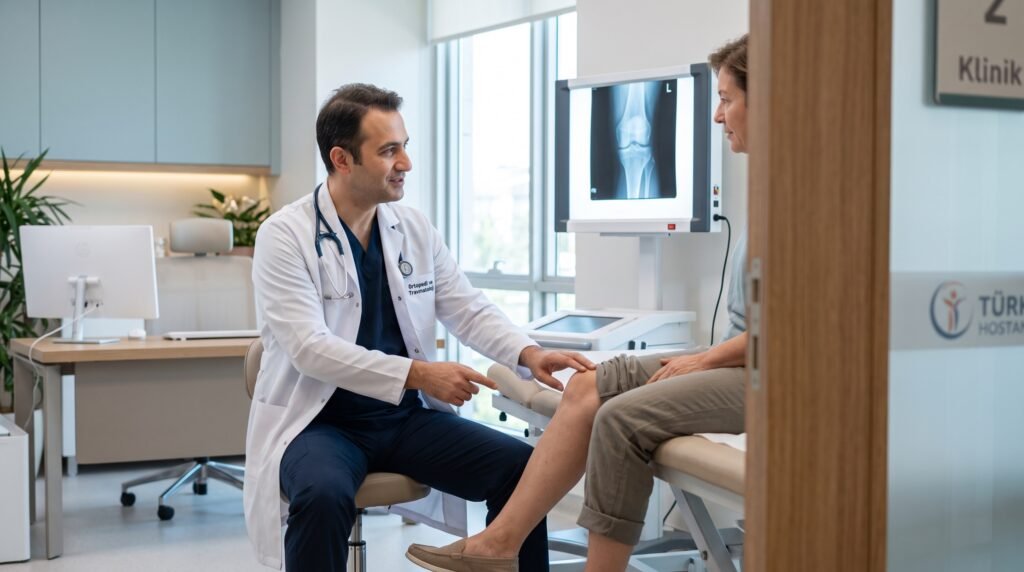
Care begins with a thorough assessment. The specialist reviews the symptoms or injury and the history, examines the affected area, arranges appropriate tests such as imaging, and explains the diagnosis and the treatment options, whether non-surgical or surgical. For international patients, this often begins remotely through medical information and imaging, so the right specialist can be identified and a plan discussed, with further assessment during the visit. Where surgery and rehabilitation are involved, the specialist explains them and the recovery, which is important for planning a stay.
Orthopedic Care in Turkey
Turkey is a destination for a wide range of medical care, supported by contracted hospitals in Istanbul and other cities with modern operating facilities and experienced surgeons. For international patients, combining treatment with organized travel, accommodation, and aftercare support makes the experience easier to manage, while the importance of rehabilitation after many orthopedic treatments means planning for recovery and follow-up matters too.
How Orista Supports You
As a facilitator, Orista coordinates the steps around your care. Your medical information and imaging can be reviewed by the medical team before you travel, you are matched with a suitable specialist and hospital, and a dedicated representative stays in contact throughout. Transfers, accommodation, translation, and aftercare support can be arranged so your attention stays on recovery.
GOOD TO KNOW
Frequently Asked Questions
What does orthopedics and traumatology cover?+
It covers the musculoskeletal system, the bones, joints, muscles, and connecting tissues, treating both conditions that develop over time and injuries such as fractures and sports injuries, using non-surgical treatment and surgery including joint replacement.
What is the traumatology side?+
Traumatology deals specifically with injuries, such as broken bones and damage from accidents or sport, which need prompt and proper care to heal and recover well. It is closely linked with orthopedics, and many specialists work across both.
What is joint replacement?+
It is a treatment for joints severely affected, often by wear over time, in which a damaged joint is replaced with an artificial one to relieve pain and restore movement. Whether it is suitable depends on the individual and the state of the joint, assessed by the specialist.
Does every problem need surgery?+
No. Many conditions and injuries are managed without surgery, through measures such as immobilizing an injury, medication, and physical therapy. When surgery is needed, the specialist chooses the approach best suited to restoring movement with the least necessary intervention.
How do I start as an international patient?+
Care often begins remotely through medical information and imaging, so the right specialist can be identified and a plan discussed, with further assessment during your visit, and an explanation of any surgery and rehabilitation for planning your stay.
This content is for general informational purposes only and does not constitute medical advice, diagnosis, or treatment. Suitability, methods, and outcomes differ from person to person, and all surgery carries risks. If you have a serious injury, seek medical help promptly. Please consult a qualified orthopedic specialist for an assessment and personalized guidance regarding a musculoskeletal condition or injury.