
EYE DISEASES
Smart Lens
For people whose eyes are no longer well suited to laser vision correction, or who want to address both near and distance vision at once, smart lens treatment offers a different route. It replaces the eye's natural lens with an advanced artificial lens designed to provide clear vision at multiple distances. Often chosen by those in middle age and beyond, it can reduce or remove the need for glasses and, by replacing the natural lens, also prevents cataracts from developing later. Understanding how it works helps clarify whether it may suit you.
What Smart Lens Treatment Is
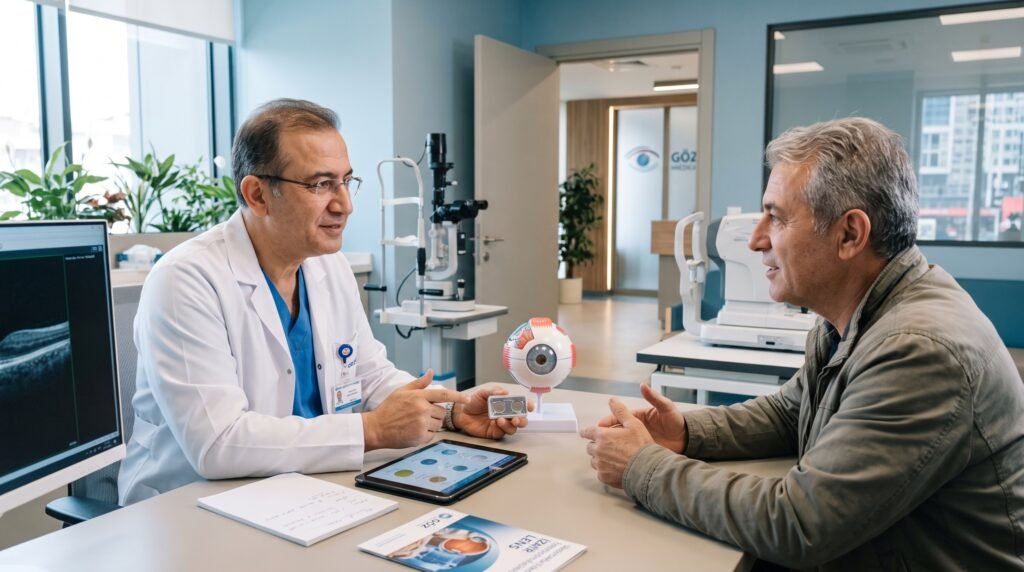
Smart lens treatment, a form of refractive lens exchange, involves removing the eye's natural lens and replacing it with an advanced artificial intraocular lens. These lenses, sometimes called multifocal or trifocal lenses, are designed to focus light from different distances, so a person can see clearly for near, intermediate, and distance vision. The procedure is similar in technique to cataract surgery, but it is carried out to correct vision and reduce dependence on glasses, often before a cataract has formed.
Orista is a health tourism facilitator that connects international patients with contracted hospitals and physicians in Turkey. This page explains what smart lens treatment involves, who it suits, and what to expect, so you can plan the right approach together with a qualified eye specialist.
How the Smart Lens Works
The natural lens of the eye focuses light onto the retina, and with age it loses flexibility, which affects the ability to focus at different distances. A smart lens replaces this natural lens with one engineered to provide focus at multiple distances at once. Advanced lens designs allow the eye to see near, middle, and far ranges, which is why the treatment can reduce the need for reading glasses as well as distance glasses. The specific type of lens is selected to suit the person's eyes and visual needs, which the specialist assesses carefully.
Addressing Presbyopia and Preventing Cataracts
Two features make smart lens treatment distinctive. First, it addresses presbyopia, the age-related loss of near focus that leads many people to need reading glasses, which laser treatments do not always resolve as fully. Second, because it replaces the natural lens with an artificial one, a cataract cannot form in that lens in the future, so the treatment also removes the prospect of needing cataract surgery later. These two benefits are part of why smart lens treatment appeals to people in and beyond middle age.
How It Compares With Laser Vision Correction
It helps to see where smart lens treatment sits alongside laser vision correction such as LASIK. Laser treatments reshape the cornea to correct focus and suit many younger patients with healthy corneas, but they do not replace the lens or address presbyopia in the same way. Smart lens treatment replaces the lens itself, which can suit older patients, those with higher prescriptions, or those whose eyes are not suited to laser. Neither is simply better, and the specialist recommends the approach that fits the person's age, eyes, and needs.
Who Is a Suitable Candidate?
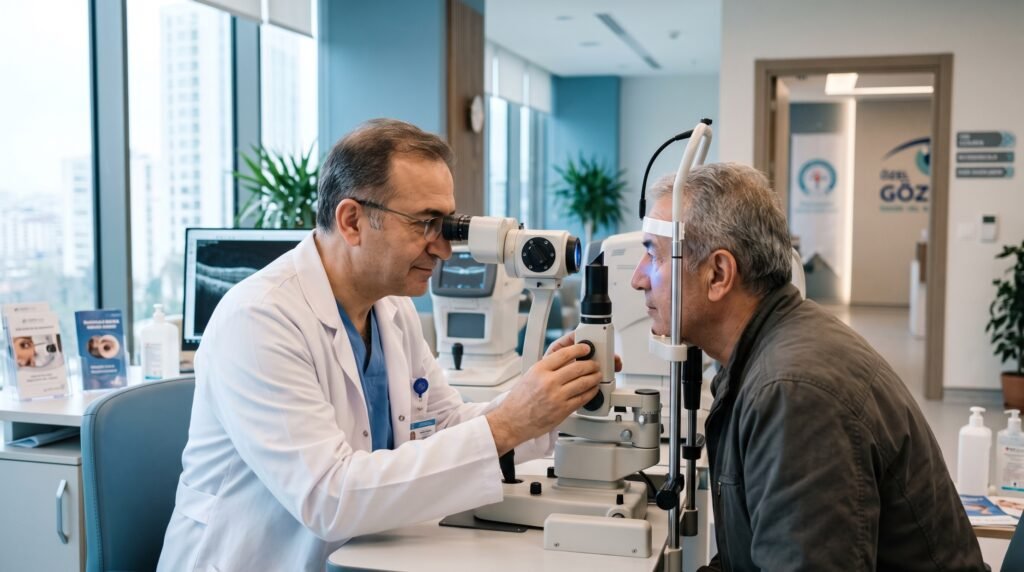
Smart lens treatment is generally considered for adults who want to reduce their dependence on glasses, particularly those in middle age and beyond, those whose eyes are not suited to laser correction, or those with early lens changes. Suitability depends on a detailed examination of the eyes, including measurement and assessment of their health. Not everyone is a candidate, and the specialist determines whether the treatment is appropriate and which type of lens suits, explaining what is realistic for the individual.
How the Procedure Is Performed
The procedure is carried out by an eye surgeon, usually under local anesthesia with drops, so the eye is numbed while the patient stays awake and comfortable. The surgeon makes a very small opening, removes the natural lens, and places the new smart lens in its position. The procedure is typically short, often around fifteen to thirty minutes per eye, and the two eyes are usually treated on separate occasions. Because the incision is tiny, it often needs no stitches. The specialist explains the specific steps beforehand.
Recovery and What to Expect
Recovery from smart lens treatment is usually quick, though vision takes a little time to settle. Many people notice improved vision soon after, with it refining over the following days and weeks as the eye adjusts to the new lens, including adapting to seeing at different distances. Eye drops are used during healing, and some simple precautions are advised for a short period. The specialist gives aftercare guidance and arranges follow-up. Because international patients travel home, planning the timing and follow-up is important, particularly as the two eyes are treated separately.
Risks and Considerations
As an eye procedure, smart lens treatment carries considerations that should be understood in advance. These include the general risks of eye surgery and considerations specific to lens replacement, which the specialist explains. Adapting to a multifocal lens can take time, and some people notice visual effects such as haloes around lights, particularly at first, which the specialist discusses so expectations are realistic. An honest discussion of the benefits, the adjustment, and the risks is an essential part of the consultation.
Smart Lens Treatment in Turkey
Turkey is a frequent destination for eye care, supported by contracted hospitals in Istanbul and other cities with modern facilities and experienced specialists. For international patients, combining treatment with organized travel, accommodation, and aftercare support makes the experience easier to manage, while the fact that the two eyes are treated separately means planning the timing matters too.
How Orista Supports You
As a facilitator, Orista coordinates the steps around your care. Your medical information can be reviewed by the medical team before you travel, you are matched with a suitable eye specialist and hospital, and a dedicated representative stays in contact throughout. Transfers, accommodation, translation, and aftercare support can be arranged so your attention stays on your eyes and recovery.
GOOD TO KNOW
Frequently Asked Questions
What is a smart lens?+
It is an advanced artificial lens that replaces the eye's natural lens and is designed to provide clear vision at near, intermediate, and distance ranges, reducing the need for glasses. The treatment is a form of refractive lens exchange.
Does smart lens treatment prevent cataracts?+
Yes. Because it replaces the natural lens with an artificial one, a cataract cannot form in that lens in the future, so the treatment also removes the prospect of needing cataract surgery later.
How does it differ from LASIK?+
LASIK reshapes the cornea and suits many younger patients with healthy corneas, while smart lens treatment replaces the lens itself, which can suit older patients or those not suited to laser. The specialist recommends the approach that fits you.
Will I still need glasses?+
The aim is to reduce dependence on glasses, including reading glasses, since the lens provides focus at different distances. What is realistic depends on your eyes and the lens, which the specialist explains.
Are both eyes treated at once?+
Usually the two eyes are treated on separate occasions. The procedure is short, often around fifteen to thirty minutes per eye. Planning the timing matters, especially for international patients.
This content is for general informational purposes only and does not constitute medical advice, diagnosis, or treatment. Suitability, methods, and outcomes differ from person to person, and all procedures carry risks. Please consult a qualified eye specialist for an examination and personalized guidance before making any decision about smart lens treatment.