
PLASTIC SURGERY
Breast Reduction
For many people, very large breasts are not only an aesthetic concern but a physical one. The weight can lead to neck, back, and shoulder strain, skin irritation, and difficulty with exercise or finding clothes that fit. Breast reduction surgery, known medically as reduction mammoplasty, removes excess breast tissue, fat, and skin to create a size that is in better proportion with the body and to relieve these symptoms. It is one of the plastic surgery procedures most often associated with an improvement in daily comfort as well as appearance.

What Breast Reduction Is
Breast reduction is an operation that reduces the size of the breasts by removing excess glandular tissue, fat, and skin, and then reshaping the remaining breast. The nipple is usually repositioned to suit the new, smaller shape. The aim is a breast size that is in better balance with the body and, for many patients, relief from the physical strain that large breasts can cause. The operation is carried out under anesthesia, and the plan depends on the starting size, the desired result, and the individual anatomy.
Orista is a health tourism facilitator that connects international patients with contracted hospitals and surgeons in Turkey. This page explains what breast reduction involves, who it can help, and what recovery is like, so you can make an informed decision together with a qualified surgeon.
More Than an Aesthetic Procedure
A feature that sets breast reduction apart from many cosmetic operations is that it often addresses physical symptoms, not only appearance. People who seek it frequently describe ongoing discomfort that affects daily life.
- Neck, back, and shoulder pain from the weight of the breasts
- Grooves on the shoulders from bra straps
- Skin irritation or rashes beneath the breasts
- Difficulty exercising or taking part in physical activity
- Challenges finding clothing that fits comfortably
The Consultation and Planning
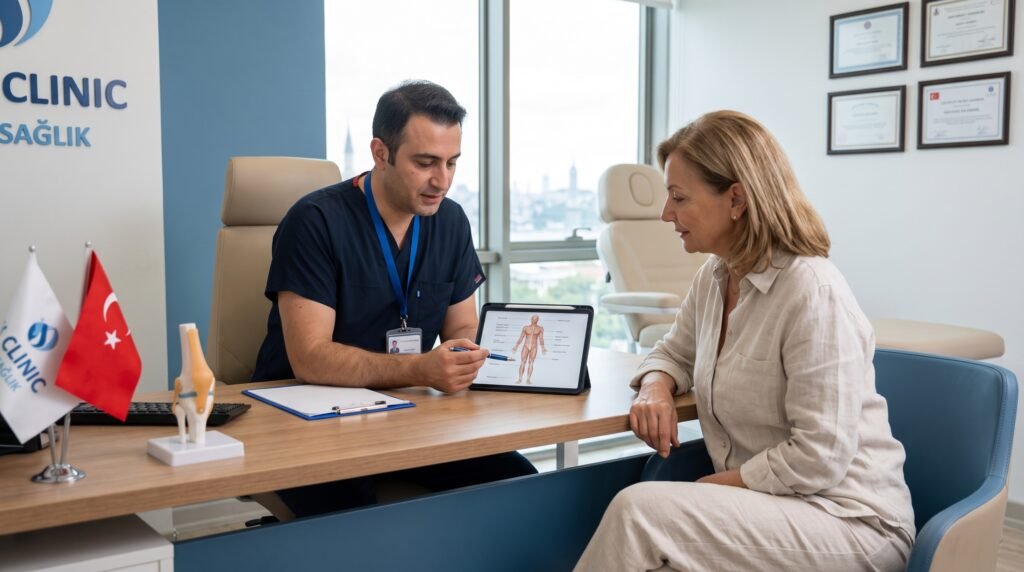
A careful consultation begins the process. The surgeon examines the breasts, assesses the skin and tissue, reviews your medical history and any symptoms, and discusses the size and shape you hope to achieve. This is the stage to understand the technique, the scars involved, the recovery, and what result is realistic. For international patients, the assessment often begins remotely with photographs and information, and is confirmed in person before surgery. Discussing plans around future considerations such as breastfeeding is also part of this conversation.
How the Operation Is Performed
Breast reduction is carried out under general anesthesia. The surgeon makes incisions according to the chosen technique, removes the excess tissue, fat, and skin, reshapes the breast, and repositions the nipple to suit the new size. The incisions are then closed. The pattern of the incisions, and therefore the scars, depends on the technique and the amount of reduction, which the surgeon explains in advance. The operation generally takes a few hours depending on its extent.
Scars and What to Expect
Because tissue and skin are removed and the breast is reshaped, breast reduction does involve scars, and being clear about this beforehand is important. The scars typically follow patterns around the nipple and down the breast, and sometimes along the fold beneath it. Surgeons aim to place and refine them, and they usually fade over time, though they are permanent. Many patients find the relief from physical symptoms and the improved proportion outweigh the presence of scars, but this is a personal decision made during the consultation.
Who Is a Suitable Candidate?
Breast reduction is generally considered by adults in good general health who have large breasts causing physical or aesthetic concerns, realistic expectations, and no medical conditions that would make surgery unsafe. A stable weight supports a lasting result. Surgeons usually advise stopping smoking before and after the operation, since it affects healing. A full assessment is the only reliable way to confirm suitability, and the surgeon will also discuss considerations such as breastfeeding and breast screening.
Recovery and the Healing Timeline
Recovery takes time and follows a predictable pattern, so planning the length of stay and follow-up is important for international patients.
- A supportive surgical bra is usually worn to support the breasts as they heal
- Swelling, bruising, and discomfort are common early on and settle gradually
- Strenuous activity and heavy lifting are avoided for the advised period
- The final shape and the softening of scars develop over several months
Risks and Considerations
As a surgical procedure, breast reduction carries risks that should be understood in advance. These include the general risks of surgery and anesthesia, bleeding, infection, and scarring, as well as considerations specific to the breast, such as changes in nipple or skin sensation, asymmetry, effects on the ability to breastfeed, and healing differences. An honest and thorough discussion of the risks and realistic outcomes is an essential part of the consultation, and no responsible surgeon guarantees a specific result.
Breast Reduction in Turkey
Turkey is a frequent destination for breast surgery, supported by contracted hospitals in Istanbul and other cities with modern operating facilities and experienced surgeons. For international patients, combining surgery with organized travel, accommodation, and aftercare support makes the overall experience easier to manage, allowing attention to stay on recovery.
How Orista Supports You
As a facilitator, Orista coordinates the steps around your surgery. Your information and photographs can be reviewed by the medical team before you travel, you are matched with a suitable surgeon and hospital, and a dedicated representative stays in contact throughout. Transfers, accommodation, translation, and aftercare support can be arranged so your attention stays on recovery.
GOOD TO KNOW
Frequently Asked Questions
Is breast reduction only for appearance?+
No. Many people seek it to relieve physical symptoms such as neck, back, and shoulder pain, skin irritation, and difficulty with activity, as well as for proportion. The surgeon assesses both aspects.
Will there be scars?+
Yes. The operation removes tissue and reshapes the breast, so it involves scars, typically around the nipple and down the breast. Surgeons aim to place and refine them, and they usually fade over time, though they are permanent.
Will I be able to breastfeed afterward?+
Breast reduction can affect the ability to breastfeed. This is an important point to discuss with your surgeon during the consultation, especially if future breastfeeding is a consideration.
How long is the recovery?+
Early swelling and discomfort settle over the first weeks, with strenuous activity avoided for a period. The final shape and the softening of scars develop over several months.
How long should I plan to stay?+
Because early recovery and follow-up are important, the stay is planned around the operation. Your surgeon and representative will arrange this with you.
This content is for general informational purposes only and does not constitute medical advice, diagnosis, or treatment. Suitability, methods, and outcomes differ from person to person, and all surgery carries risks. Please consult a qualified surgeon or specialist for an assessment and personalized guidance before making any decision about a breast reduction procedure.