
PEDIATRICS
Pediatric Eye Diseases
A child's vision develops rapidly in the early years, and problems caught during this window can often be managed far more effectively than those found later. Pediatric eye diseases is the field devoted to the eyes and vision of children, covering conditions that affect how a child sees and how their visual system develops. Because a young child may not realize or be able to say that they cannot see well, attentive assessment is key, and early detection can make a lasting difference.
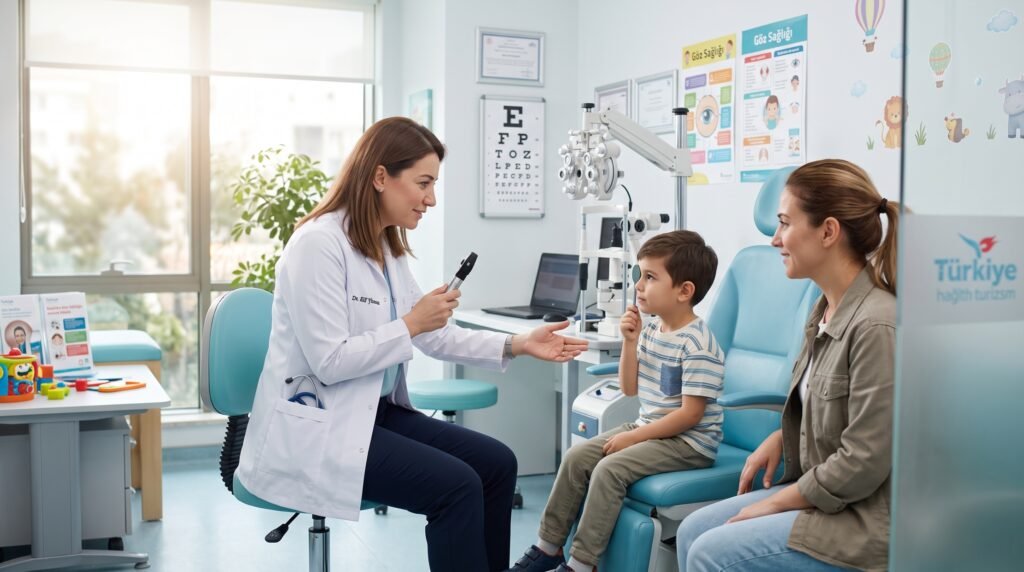
What Pediatric Eye Care Is
Pediatric eye care, or pediatric ophthalmology, is the branch of eye medicine concerned with children's eyes and vision. A specialist in this field diagnoses and manages conditions affecting sight and the development of the visual system in children, from refractive problems that need glasses to conditions of the eye itself. Caring for children's eyes differs from adult eye care because a child's visual system is still developing, and because assessing a young child requires methods and patience suited to their age.
Orista is a health tourism facilitator that connects international families with contracted hospitals and physicians in Turkey. This page explains what pediatric eye care involves and how it is arranged, so you can plan the right approach for your child together with a qualified specialist.
Why Early Detection Matters So Much
A defining reason this field is important is the developing nature of a child's vision. In the early years the visual system is still forming, and the brain is learning to see. If a problem goes undetected during this period, it can affect how vision develops, sometimes with lasting effects. Caught early, many conditions can be managed while the visual system is still responsive. This is why attention to a child's eyes, and timely assessment when something seems wrong, is so valuable, and why the field places such emphasis on early detection.
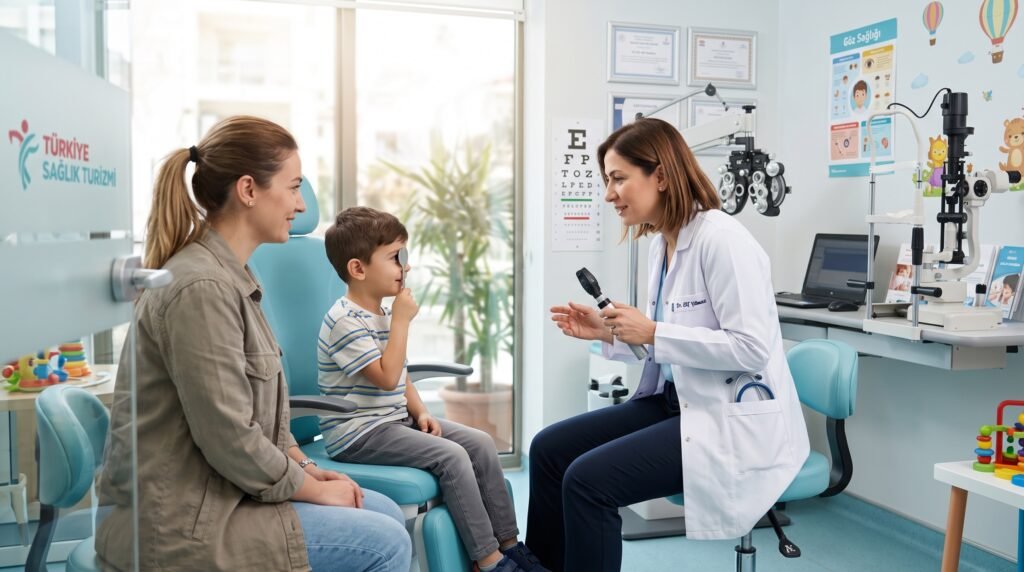
Conditions That May Be Assessed
Pediatric eye care covers a range of conditions affecting children's eyes and vision, and the following are examples.
- Refractive problems such as short-sightedness, long-sightedness, or astigmatism that need glasses
- Crossed or misaligned eyes, known as strabismus
- Reduced vision in one eye, known as lazy eye or amblyopia
- Blocked tear ducts and other conditions affecting the young eye
- Eye conditions present from birth or developing in childhood
The specialist assesses the specific condition and explains what is involved for that child.
Signs That May Prompt an Assessment
Because a young child may not report a vision problem, parents and others often notice signs first. These can include an eye that turns in or out, sitting very close to screens or books, frequent eye rubbing, squinting, tilting the head to see, or difficulty with tasks that need good vision. Noticing such signs and seeking assessment is important, since a child cannot always tell you that something is wrong. The specialist can determine whether a sign reflects a condition that needs attention.
How Children's Eyes Are Assessed
Examining a child's eyes uses methods adapted to their age, carried out in a way that is as gentle and engaging as possible. The specialist can assess vision, alignment, and the health of the eye even in young children who cannot read a standard chart, using age-appropriate techniques. The examination is tailored to the child and explained to the family, and it is designed to be reassuring. Interpreting the findings with the child's development in mind is central to reaching the right conclusion.
The Consultation and Planning
Care begins with a thorough assessment. The specialist reviews the child's history and any previous eye records, examines the eyes and vision using age-appropriate methods, and explains the findings and any plan to the family. Treatment, where needed, may involve glasses, patching for a lazy eye, or other approaches depending on the condition, and sometimes surgery such as for strabismus. For international families, an initial discussion can often begin remotely through the child's records, with examination and planning during the visit.
Pediatric Eye Care in Turkey
Turkey is a destination for a wide range of medical care, supported by contracted hospitals in Istanbul and other cities with modern facilities and physicians experienced in children's eye conditions. For families traveling with a child, combining care with organized travel, family accommodation, and support services makes the overall experience easier to manage, allowing attention to stay on the child's wellbeing.
How Orista Supports Your Family
As a facilitator, Orista coordinates the steps around your child's care. Your child's medical information can be reviewed by the medical team before you travel, you are matched with a suitable pediatric eye specialist and hospital, and a dedicated representative stays in contact throughout. Transfers, family accommodation, translation, and ongoing support can be arranged so your attention stays on your child.
GOOD TO KNOW
Frequently Asked Questions
Why is early detection of eye problems in children so important?+
A child's visual system is still developing, and the brain is learning to see. Problems caught early can often be managed while vision is still responsive, whereas undetected ones can affect how sight develops, sometimes lastingly.
My young child cannot read a chart. Can their eyes still be tested?+
Yes. Specialists use age-appropriate techniques to assess vision, alignment, and eye health even in young children who cannot read a standard chart. The examination is tailored to the child.
What signs should prompt an eye assessment?+
Signs can include an eye that turns, sitting very close to screens, frequent rubbing, squinting, head tilting, or difficulty with tasks needing good vision. A child cannot always say something is wrong, so noticing these signs matters.
What treatments are used for children?+
Depending on the condition, treatment may involve glasses, patching for a lazy eye, other approaches, or sometimes surgery such as for strabismus. The specialist explains the plan for your child.
How do we start as an international family?+
An initial discussion can often begin remotely through your child's records, with examination and planning during your visit. A suitable specialist is identified based on the child's situation.
This content is for general informational purposes only and does not constitute medical advice, diagnosis, or treatment. Every child's situation is different, and suitability and outcomes vary. Please consult a qualified pediatric eye specialist for an assessment and personalized guidance regarding your child's vision or eye condition.