
HOLISTIC BRAIN APPROACHES
Traumatic Brain Injuries
A traumatic brain injury is an injury to the brain caused by an outside force, such as a blow to the head, a fall, or an accident. These injuries range enormously in severity, from a mild concussion that resolves to a serious injury with lasting effects. The brain's complexity means that the consequences of an injury can affect many aspects of a person, and recovery often requires time and support. Understanding what a traumatic brain injury is, and the importance of proper assessment and care, helps patients and families navigate what can be a challenging path.
What a Traumatic Brain Injury Is
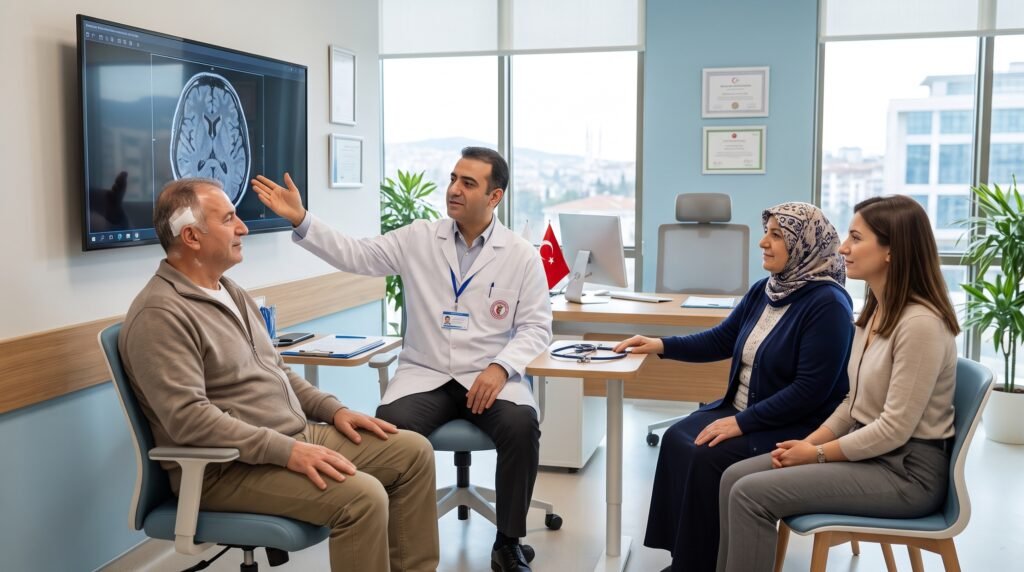
A traumatic brain injury, often shortened to TBI, is damage to the brain caused by an external force. This can happen through a direct blow to the head, a violent movement that shakes the brain, or an object penetrating the skull. The injury can disrupt the way the brain works, either temporarily or lastingly, depending on its nature and severity. Because the brain controls so much of how a person thinks, feels, moves, and functions, the effects of a traumatic brain injury can be wide-ranging, which is why careful assessment and appropriate care are so important.
Orista is a health tourism facilitator that connects international patients with contracted hospitals and physicians in Turkey. This page provides general information about traumatic brain injuries and how care is approached. It is important to note that a serious head injury is a medical emergency requiring immediate local care, while ongoing care and rehabilitation can be planned.
The Range of Severity
An important point about traumatic brain injuries is that they vary enormously in severity, which affects everything about their care.
- Mild injuries, such as concussion, where effects are often temporary
- Moderate injuries, which can have more significant effects
- Severe injuries, which can be life-threatening and have lasting consequences
The severity shapes the urgency, the treatment, and the recovery, which is why an accurate assessment of the injury is essential. Even an apparently mild injury should be taken seriously and assessed, since symptoms can sometimes develop or worsen.
A Serious Head Injury Is an Emergency
It is crucial to be clear that a serious head injury is a medical emergency requiring immediate care, wherever the person is. Warning signs after a head injury that need urgent attention include loss of consciousness, worsening headache, repeated vomiting, confusion, seizures, weakness, difficulty speaking, or clear fluid from the nose or ears. Anyone with such signs needs emergency medical help without delay. This page is for general understanding, and acute care for a serious head injury must be sought locally and immediately, not planned as travel.
The Possible Effects
The effects of a traumatic brain injury depend on its severity and the areas affected, and they can involve many aspects of a person. These may include physical effects on movement or coordination, cognitive effects on memory, thinking, or concentration, changes in mood or behavior, fatigue, headaches, and effects on senses such as vision. Not everyone experiences all of these, and mild injuries often resolve, while more serious ones can have lasting effects. Understanding the range of possible effects helps explain why care and recovery are tailored to the individual.
How Traumatic Brain Injuries Are Assessed and Treated
In the acute phase, a traumatic brain injury is assessed and treated as an emergency where it occurs, which may include imaging of the brain and, in serious cases, surgery and intensive care. Beyond the acute phase, care shifts toward recovery and rehabilitation, which is often where planned, longer-term support comes in. Assessment of the effects of the injury guides a recovery plan that addresses the person's specific needs. This later, rehabilitation-focused care is often coordinated as part of a structured program, tailored to the individual.
Recovery and Rehabilitation
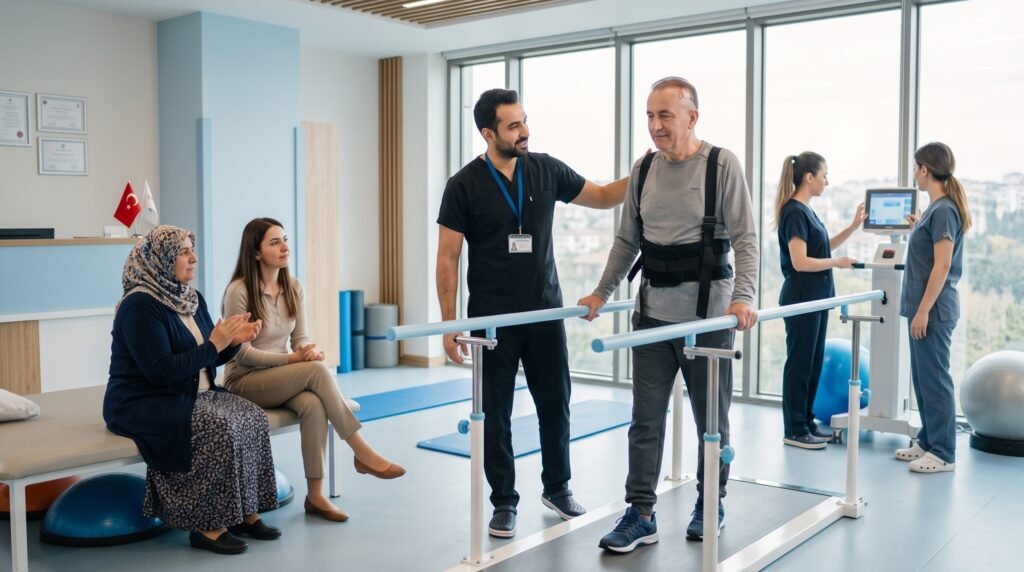
Recovery from a traumatic brain injury can be a long process, and it varies greatly between individuals depending on the injury and many other factors. Rehabilitation aims to help the person regain function and adapt, addressing the physical, cognitive, and emotional effects of the injury through coordinated support over time. A whole-person approach, considering the individual and their family, tends to work best. Because recovery is so individual, a responsible approach is based on careful assessment and realistic goals rather than promises of specific outcomes, which the specialists explain honestly.
The Consultation and Planning
For ongoing care and rehabilitation after the acute phase, planning begins with a thorough assessment by specialists. They review the injury and its effects, assess the person's needs, discuss realistic goals, and explain what rehabilitation and support would involve. For international patients, this often begins remotely through medical information, so the appropriate specialists can be identified and a plan discussed, with further assessment during the visit. Acute care, by contrast, is an emergency handled where the injury occurs.
Brain Injury Care in Turkey
Turkey is a destination for a wide range of medical care, supported by contracted hospitals in Istanbul and other cities with modern facilities and experienced specialists, including in rehabilitation. For international patients seeking ongoing care and rehabilitation after a brain injury, combining care with organized travel, accommodation, and support services helps ease the practical side during a demanding time.
How Orista Supports You
As a facilitator, Orista coordinates the steps around ongoing care and rehabilitation. Your medical information can be reviewed by the medical team before you travel, you are matched with suitable specialists and a hospital, and a dedicated representative stays in contact throughout. Transfers, accommodation, translation, and support can be arranged so your attention stays on recovery and wellbeing.
GOOD TO KNOW
Frequently Asked Questions
What is a traumatic brain injury?+
It is damage to the brain caused by an external force, such as a blow to the head, a fall, or an accident. It can disrupt how the brain works, temporarily or lastingly, depending on its nature and severity.
Are all brain injuries the same?+
No. They range from mild injuries such as concussion, where effects are often temporary, to severe injuries that can be life-threatening with lasting consequences. The severity shapes the urgency, treatment, and recovery.
What signs after a head injury are an emergency?+
Loss of consciousness, worsening headache, repeated vomiting, confusion, seizures, weakness, difficulty speaking, or clear fluid from the nose or ears need urgent medical help without delay. A serious head injury is an emergency.
Can I plan travel for a brain injury?+
Acute care for a serious head injury is an emergency and must be sought locally and immediately. Ongoing care and rehabilitation after the acute phase, however, can be planned, which is where coordinated support comes in.
What does recovery involve?+
Recovery varies greatly and can be a long process. Rehabilitation helps the person regain function and adapt, addressing physical, cognitive, and emotional effects through coordinated support, based on careful assessment and realistic goals.
This content is for general informational purposes only and does not constitute medical advice, diagnosis, or treatment. A serious head injury is a medical emergency. If someone has signs such as loss of consciousness, worsening headache, repeated vomiting, confusion, or seizures after a head injury, seek emergency medical help immediately. Please consult a qualified specialist for assessment and personalized guidance regarding ongoing care.