
GENERAL SURGERY
Surgical Intensive Care
Behind many major operations stands a part of the hospital that patients rarely think about until it matters: the surgical intensive care unit. This is where patients who need close, continuous monitoring are cared for after major surgery or when their condition requires intensive support. Rather than a procedure in itself, surgical intensive care is a level of care that can make a decisive difference to safety and recovery, and its presence is an important mark of a hospital equipped for serious surgery.
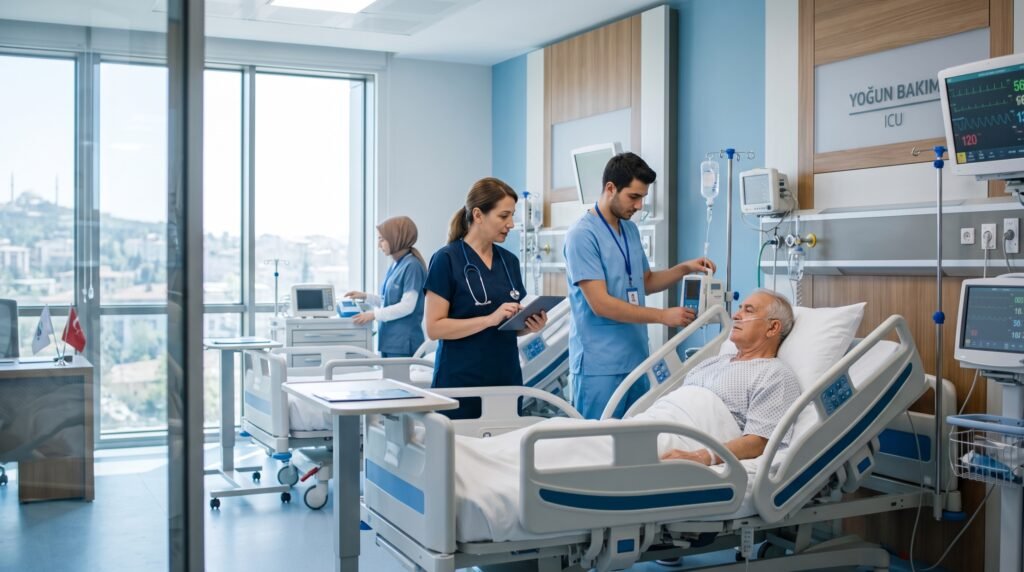
What Surgical Intensive Care Is
Surgical intensive care is the specialized care provided in an intensive care unit for patients who need close monitoring and support, usually after major surgery or when a surgical condition is serious. In this setting, a patient's vital functions are watched continuously, and specialized staff and equipment are on hand to respond quickly to any change. It is a higher level of care than a standard ward provides, designed for the critical early period when a patient needs the most support.
Orista is a health tourism facilitator that connects international patients with contracted hospitals in Turkey. This page explains what surgical intensive care involves and why it matters, so you understand this part of the care around major surgery.
When It Is Needed
Not every operation requires intensive care, but it plays an important role in certain situations.
- After major or complex surgery that needs close monitoring in the early period
- When a patient's condition is serious and requires intensive support
- When vital functions need continuous observation and rapid response
- As a planned step in the recovery from certain major operations
Whether intensive care is part of a plan depends on the operation and the patient, and the surgical team explains this in advance where it is anticipated.

How the Unit Works
A surgical intensive care unit is defined by its combination of people and technology. Specialized doctors and nurses, trained in intensive care, watch over a small number of patients closely, supported by monitoring equipment that tracks vital functions continuously. This allows the team to notice and respond to changes quickly, which is the heart of what intensive care provides. The close staffing and constant observation mean a patient in this setting receives a level of attention that a standard ward cannot offer.
Why It Matters for Major Surgery
The value of surgical intensive care lies in the critical early period after a major operation, when careful monitoring and swift response can be most important. Having this level of care available means that a patient undergoing serious surgery is supported through the stage when they need it most, and that any problem can be addressed quickly. For this reason, the presence of a well-equipped intensive care unit is one of the things that marks out a hospital prepared for major and complex surgery, and it is a reassuring consideration for patients and families.
The Experience for the Patient and Family
Time in intensive care is usually a planned and temporary part of recovery from major surgery, after which a patient moves to a standard ward as they improve. The environment is focused and closely monitored, which can feel unfamiliar, but it exists to keep the patient safe during a vulnerable period. The team keeps the patient and family informed, and for families traveling from abroad, understanding this step in advance helps set expectations for the recovery journey.
Surgical Intensive Care in Turkey
Turkey is a frequent destination for major surgical care, supported by contracted hospitals in Istanbul and other cities with modern intensive care facilities and experienced staff. For international patients undergoing major surgery, the availability of this level of care is an important part of the overall treatment, and combining it with organized travel, accommodation, and support services helps families manage the experience.
How Orista Supports You
As a facilitator, Orista coordinates the steps around your surgery, including care at hospitals equipped with intensive care facilities where major surgery requires it. Your medical information can be reviewed by the medical team before you travel, you are matched with a suitable hospital, and a dedicated representative stays in contact throughout. Transfers, accommodation, translation, and support can be arranged so your attention stays on recovery.
GOOD TO KNOW
Frequently Asked Questions
Is surgical intensive care a type of operation?+
No. It is a level of care provided in an intensive care unit for patients who need close monitoring and support, usually after major surgery or when a condition is serious, rather than a procedure in itself.
Will I need intensive care after my operation?+
Not every operation requires it. Whether it is part of the plan depends on the surgery and the patient. The surgical team explains this in advance where intensive care is anticipated.
What makes intensive care different from a normal ward?+
It offers continuous monitoring and specialized staff for a small number of patients, allowing changes to be noticed and addressed quickly. This is a higher level of attention than a standard ward provides.
How long do patients stay in intensive care?+
It is usually a planned and temporary part of recovery from major surgery, after which the patient moves to a standard ward as they improve. The length depends on the operation and the patient.
Why does the availability of intensive care matter?+
It supports a patient through the critical early period after major surgery and allows any problem to be addressed quickly. Its presence is a mark of a hospital prepared for major and complex surgery.
This content is for general informational purposes only and does not constitute medical advice, diagnosis, or treatment. The care a patient needs depends on their individual situation and operation. Please consult a qualified surgeon or specialist for an assessment and personalized guidance regarding your treatment and the care around it.